


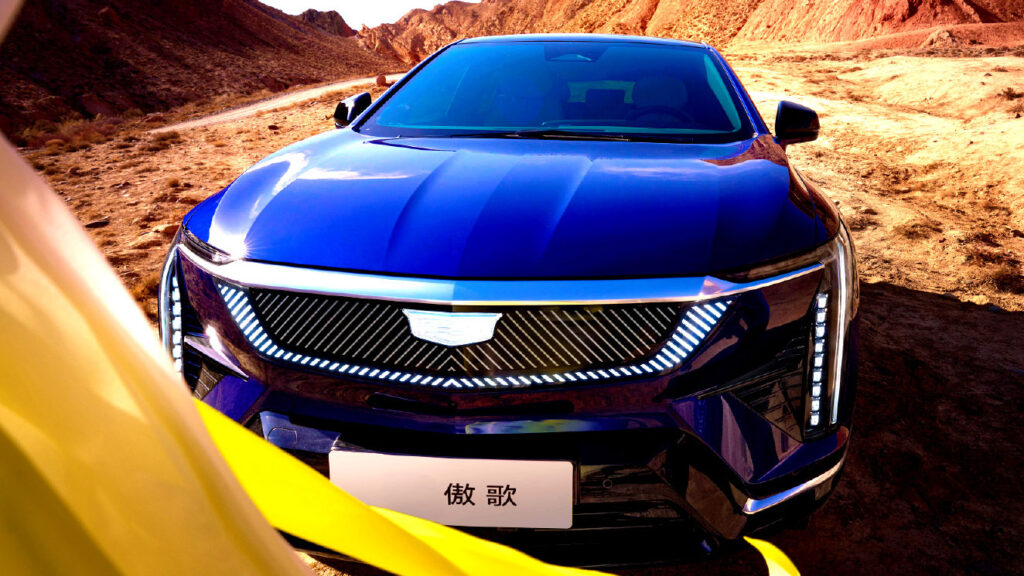
General Motors’ joint venture in China is trying to fix the situation before its partnership with the Chinese company SAIC expires. The main goal is electrification. It is necessary to become “green,” act quickly, and restore trust before it is too late.
At a meeting with dealers in early March, SAIC-GM President Lu Xiao presented a three-year plan based on new Buick and Cadillac electric vehicles, improved automotive technology, and increased exports.
Despite Xiao’s assurances that the joint venture is focused on the future, there are no clear signs yet that an extension of the deal is actually being prepared, even though the agreement expires in June 2027.
This contrasts with the deal between Volkswagen and SAIC, which was extended six years earlier, explaining the concern of some GM-SAIC dealers.
Buick and Cadillac Lead the Plan

The context is complex. Although last year’s sales were promising, they are still significantly lower compared to the peak of 2 million cars in 2017, amounting to only 562,000 in 2025, a drop of 75 percent. The joint venture has just turned a profit, as GM recorded $2.7 billion in restructuring costs to reduce capacity and rebrand operations.
SAIC-GM will use over 10 billion yuan (approximately $1.4 billion at the current exchange rate) to update existing Buick models and create a new generation of its products. Buick’s strong position in the multi-purpose vehicle market is a significant asset, and the company aims to preserve what it has and move further towards electrification.

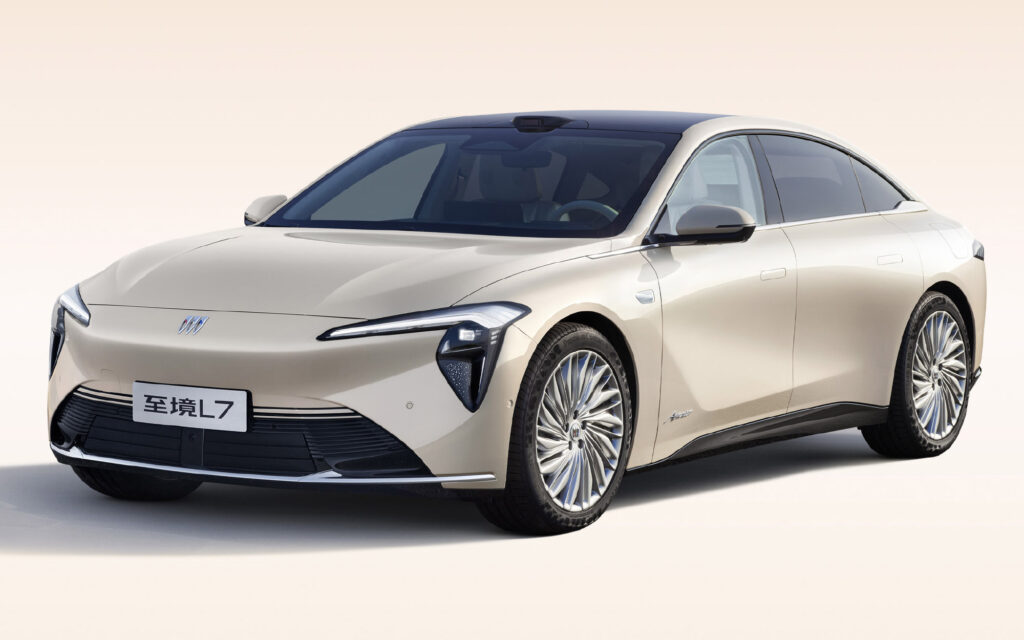
The momentum is already building. The fully electric Buick Electra L7 crossover with a range extender will appear in the coming months. The fully electric version of the Encasa minivan was recently introduced, and a plug-in hybrid version will appear later this year with a faster charger and increased engine size.
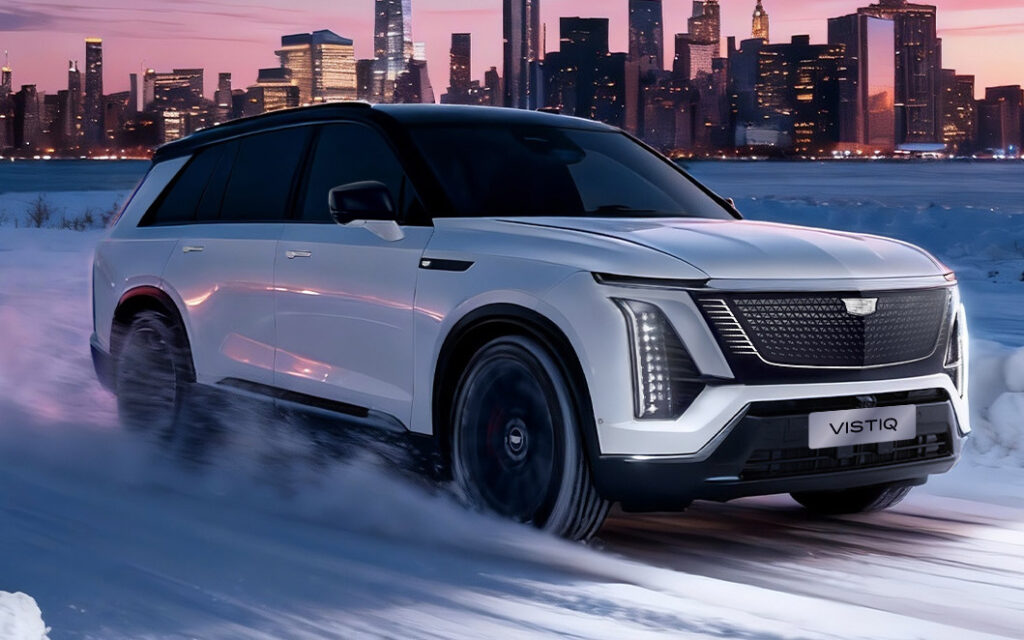
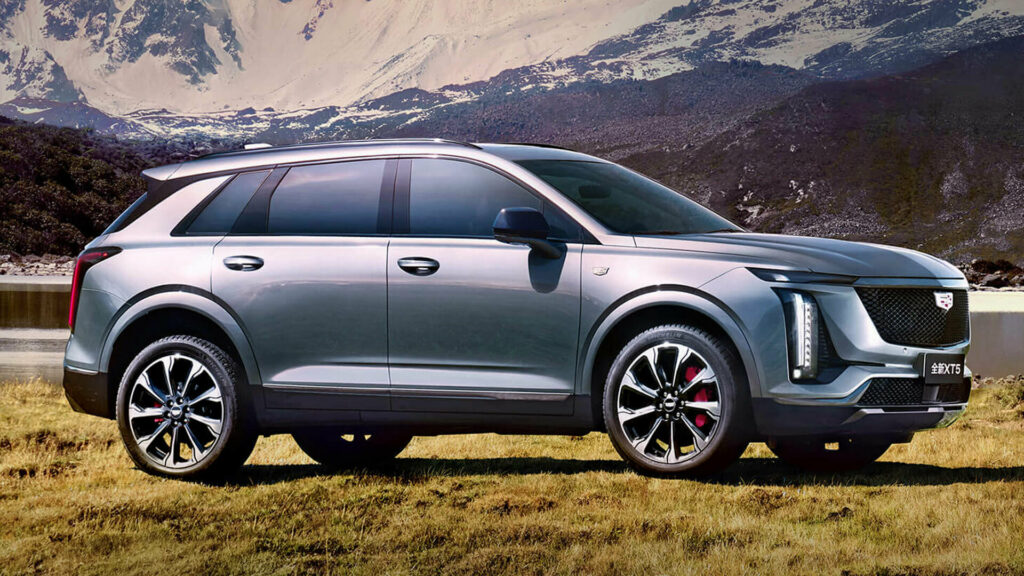
Cadillac is moving at the same speed. The fully electric Cadillac Vistiq SUV, which will be equipped with lidar and an advanced driver assistance system developed jointly with Momenta, will debut at the end of April. Simultaneously, models such as the Buick LaCrosse, Envision, and Cadillac XT5, which have traditionally been ICE vehicles, will receive electrification.
Faster-Charging Cars, Smarter Software, Clearer Focus
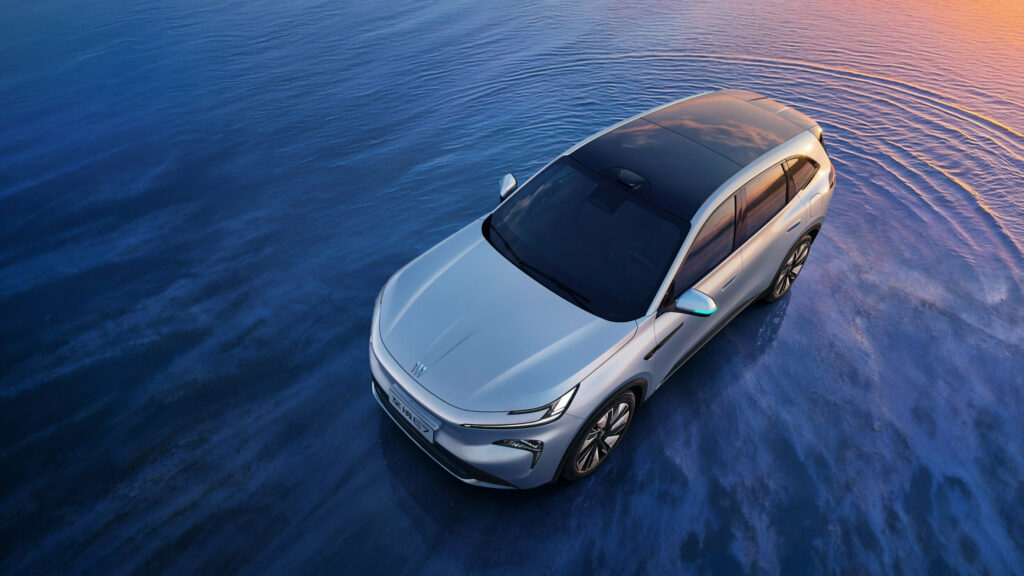

One of the reasons why GM’s and other foreign automakers’ products are losing favor with Chinese consumers is the lack of modern technologies, which are often commonplace in domestic offerings. The action plan of GM and SAIC aims to address this issue in several directions.
The Xiaoyao platform will be able to support next-generation battery systems with 1000V fast charging, a range of up to 1000 kilometers, and power of up to 850 kilowatts. Future achievements are expected in active suspension, steer-by-wire, and rear-wheel steering, all controlled by GM-SAIC’s proprietary software.
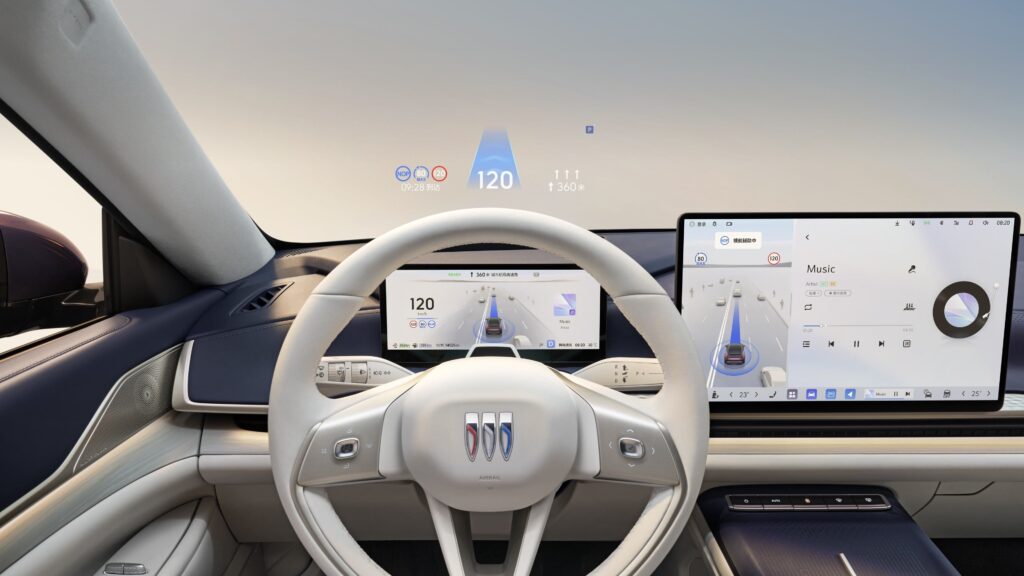

Inside the cabin, the changes are equally important. All Buick Electra and Cadillac XT5 models this year will receive new smart cabin systems, improving smartphone connectivity and digital interfaces.
A further update in the future will borrow technologies from ByteDance (the company behind TikTok) and enhance the user experience. As for driver assistance, Level 2 systems will appear on the roads this year, and Level 3 systems are planned for 2027.
Export as a Complex Lever

Export is another lever, albeit a complex one. SAIC-GM has been exporting cars abroad since 2001, including to the USA and Mexico. But new tariffs have significantly harmed this business. Exports fell by 40 percent in 2025 to approximately 50,500 cars, mainly due to higher US duties, and Mexico also raised tariffs on passenger cars produced in China.
The conditions for the joint venture remain tough, and time is limited. The success of the three-year plan will depend not only on the rapid introduction of new technologies and electric models but also on the ability to adapt to changing global trade policies and restore consumer trust in the highly competitive Chinese market. The extension of the partnership with SAIC may largely depend on whether Buick and Cadillac can demonstrate sustained growth and technological relevance in the coming years.