


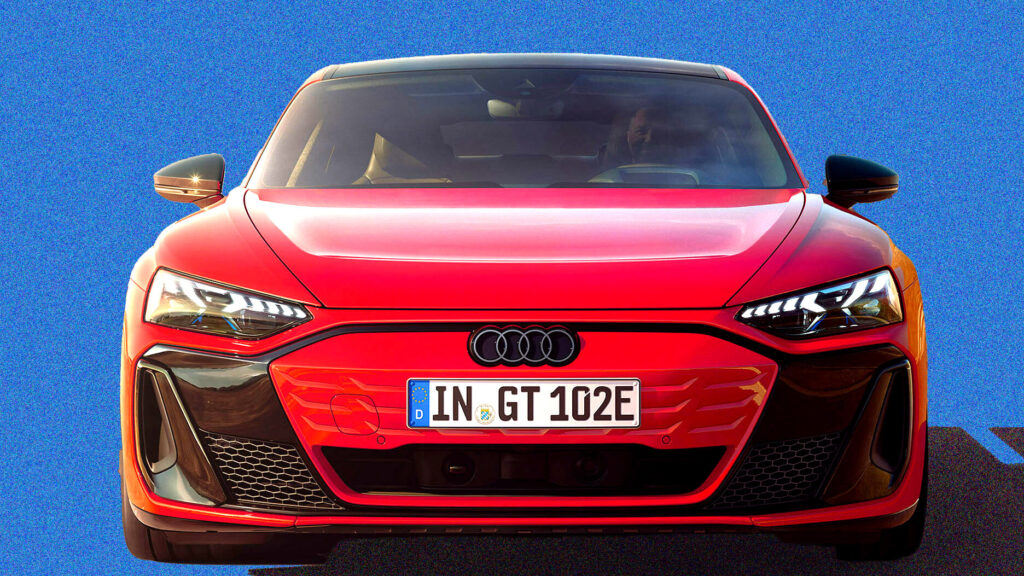
Negative sales trend for Audi
Audi’s streak of bad luck continues: the automaker reported disappointing first-quarter results. Global sales fell by 6.1% to 360,106 units, as the company navigates “challenging market conditions.”
Decline in North America and China
Sales in North America (excluding Mexico) dropped sharply by 27% to 35,464 vehicles. The company noted that this decline is “primarily related to US tariffs and the termination of electric vehicle subsidies in America.”
The situation could worsen as President Trump has threatened to raise tariffs to 25%. However, the automaker is preparing to launch the updated Q7 and the all-new Q9 this year, which are expected to appeal to Americans.
Sales in China (excluding Hong Kong) fell from 144,471 units last year to 127,109 this time. This is a 12% decline, which the company attributes to “macroeconomic uncertainty, a highly competitive market environment, and a model lineup change.”
Audi Q1 2026 delivery table
| Audi brand deliveries | Q1 26 | Q1 25 |
| World | 360,106 | 383,401 |
| Europe (excluding Germany) | 123,724 | 116,815 |
| Germany | 50,308 | 48,447 |
| North America (excluding Mexico) | 35,464 | 48,599 |
| China (including Hong Kong) | 127,109 | 144,471 |
| Overseas and emerging markets | 23,501 | 25,069 |
Geopolitical impact and positive moments
Audi also stated that it is being affected by the war in Iran. The company did not go into detail, but this likely refers to supply issues due to the closure of the Strait of Hormuz.
Despite the abundance of bad news, European sales grew, and the company sold over 30,000 plug-in hybrids. The latter figure increased by almost 160% compared to last year.
Audi Group financial results
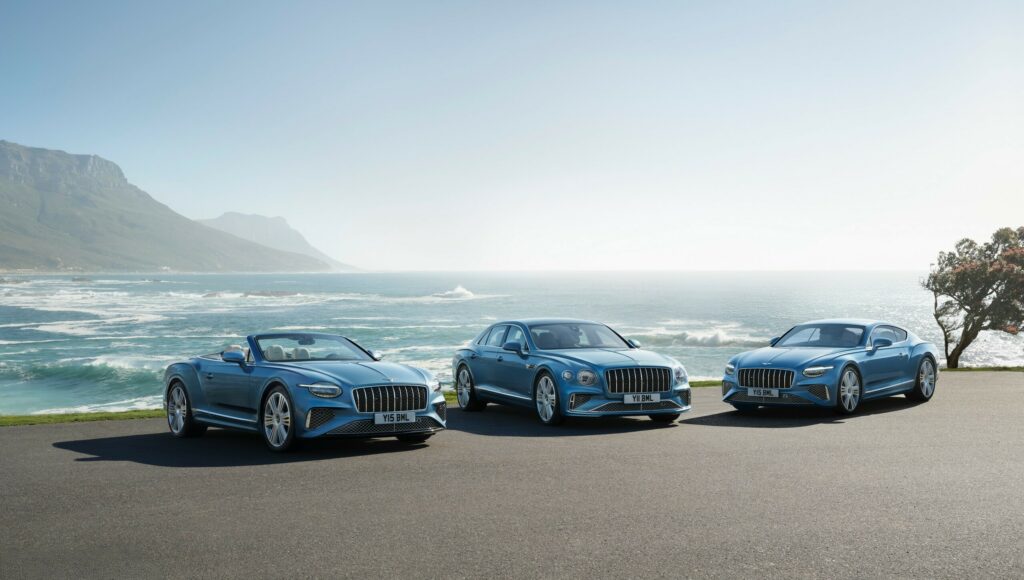

Looking more broadly, Audi Group sales fell by 6.1%, as Audi’s weak performance was mirrored by a decline in Bentley sales. Bentley, Lamborghini, and Ducati also recorded a drop in revenue.
The Audi Group’s total revenue was 14.2 billion euros ($16.6 billion), with an operating profit of 588 million euros ($688 million). However, after taxes, profit decreases to 559 million euros ($654 million).
Audi CEO Gernot Döllner acknowledged the challenges and said:
“In a world where our customers’ expectations are becoming increasingly diverse from region to region, it is becoming clear that the ‘global car’ business model is becoming less and less viable.”
Instead, he believes the company needs “market-specific solutions and models,” such as the AUDI brand in China, as well as the A2 e-tron, which is “developed and manufactured in Europe.”
Audi Group Q1 2026 results
| Q1 26 | Q1 25 | |
| Brand group vehicle deliveries | 364,877 | 388,756 |
| Audi brand deliveries | 360,106 | 383,401 |
| Revenue in millions of euros | 14,178 | 15,431 |
| Operating profit in millions of euros | 588 | 537 |
| Operating margin as a percentage | 4.2 | 3.5 |
| Net cash flow in millions of euros | 883 | -61 |
| Financial result in millions of euros | 174 | 265 |
| Profit before tax in millions of euros | 763 | 802 |
| Profit after tax in millions of euros | 559 | 630 |
Despite the overall decline in sales, the Audi Group’s operating margin actually increased from 3.5% to 4.2%, indicating some cost optimization. However, net profit still decreased due to a deterioration in the financial result. The company finds itself in a difficult position: on one hand, it faces geopolitical risks and trade wars, and on the other, it is trying to refocus its strategy on regional markets. The success of the new Q7 and Q9 models, as well as specialized electric vehicles like the A2 e-tron, will be crucial for restoring growth in the near term.