


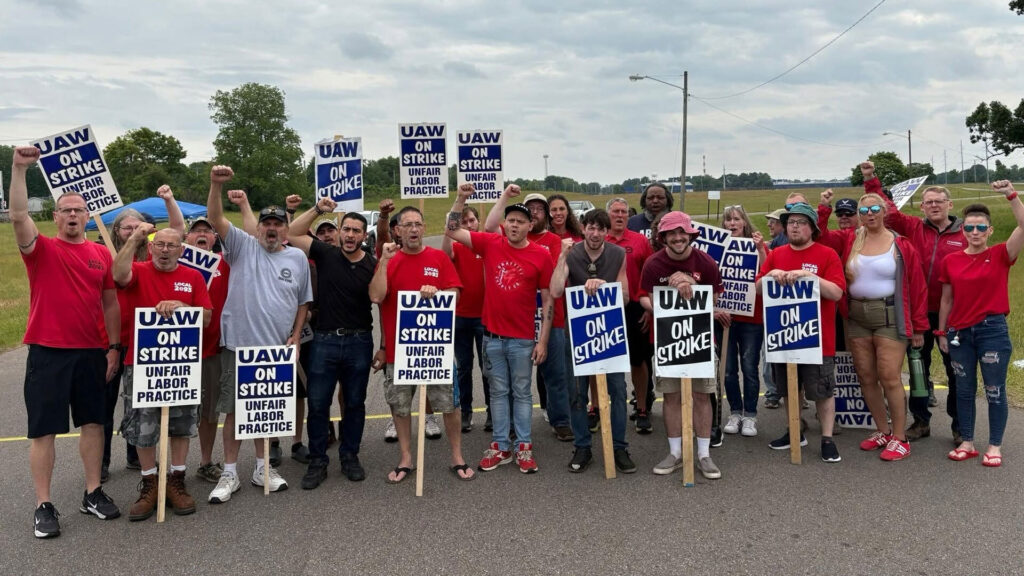
Tentative Agreement Reached After Strike
The UAW Local 2093 union has reached a tentative agreement with Dauch Corporation, formerly known as American Axle. This happened approximately ten days after nearly 1,000 union members began a strike at the plant in Three Rivers, Michigan.
Strike Causes and Demands
The strike threatened automotive production as workers were dissatisfied with wage levels that had been significantly reduced during the Great Recession. To prevent the plant from closing, many workers agreed in 2008 to a wage cut from $29 per hour to $14.50. The union noted that nearly two decades later, wages “currently top out at $22 per hour after a five-year progression.”
Terms of the New Agreement
The tentative agreement provides that by 2030, workers will be able to earn up to $30 per hour. This represents a 36% increase over four years. The union also reported that workers hired before May 31, 2012, will receive an immediate raise of $8 per hour upon ratification of the agreement.
“This contract will be life-changing in Three Rivers and across southwest Michigan. I am very proud of this agreement and very proud to be a member of UAW Local 2093,” said Josh Jagger, chairman of the Local 2093 bargaining committee.
Additional Benefits for Workers
In addition to the significant wage increase, the UAW reported that the agreement includes more paid holidays. At the same time, no concessions were made regarding healthcare costs. According to Manufacturing Dive, workers will receive holidays on Veterans Day and Martin Luther King Jr. Day, and those with at least one year of seniority will receive an additional nine vacation days per year. The agreement also includes a ratification bonus of $2,000 and an additional bonus of $1,000 to be paid one year later.
Next Steps and Reactions
Workers still need to vote on the agreement, but union leadership is satisfied with the terms. UAW Region 1D Director Steve Dawes noted that the agreement takes care of current, former, and future workers.
This agreement is an important step toward restoring fairness for workers who sacrificed a significant portion of their wages to save the plant during the economic crisis. Reaching a deal just ten days after the strike began demonstrates the union’s high level of organization and the employer’s willingness to compromise to avoid further production disruptions. Increasing wages to $30 per hour and adding extra holidays not only improves worker well-being but also makes the plant more attractive to new talent, which is critically important for the long-term stability of the enterprise in the region.