 by
by Expansion of Wisconsin’s Move Over Law
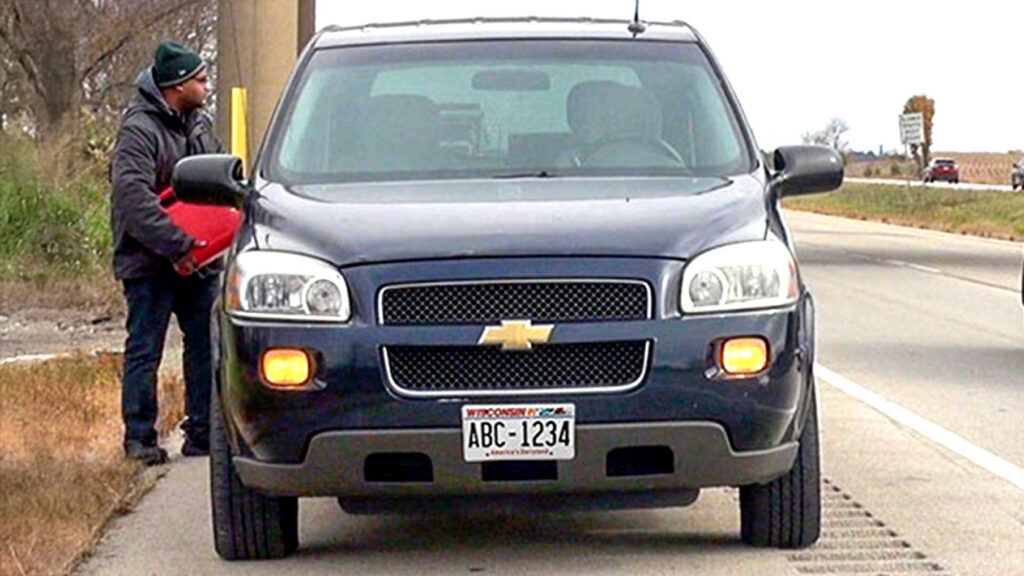
An expanded law has taken effect in Wisconsin, requiring drivers to reduce speed and change lanes when approaching not only emergency vehicles but any vehicle that has pulled over to the shoulder due to a breakdown. This change aims to make being on the shoulder safer for everyone.
Conditions for Applying the New Rule
The rule applies if the stopped vehicle has its hazard lights on, has warning triangles or flares set up, or if there are people near it. The goal is to prevent accidents, which often occur due to the delayed reaction of drivers passing by.
Evolution of the Legislation
Every U.S. state has its own version of a “Slow Down, Move Over” law. Wisconsin enacted its law back in 2001, but initially, it only applied to vehicles of law enforcement, rescue workers, tow trucks, and utility vehicles with flashing lights. Now its coverage extends to everyone.
Practical Purpose of the Changes
Data shows that many drivers either slow down or move over, but rarely perform both actions simultaneously. The updated law aims to correct this. Authorities emphasize that the changes align Wisconsin’s legislation with a trend gaining momentum across the country.

Recommendations for Drivers in a Difficult Situation
Experts also give practical advice to those who find themselves on the shoulder: stay in the vehicle if it’s safe, do not unbuckle your seatbelt, and immediately turn on the hazard lights if a problem arises.
On National #MoveOverDay, we remind you – #MoveOver or #SlowDown and help prevent crashes like these. Know Wisconsin’s “Move Over Law”. — Wisconsin DOT (@WisconsinDOT) October 15, 2022
Photo Wisconsin DOT
These legislative changes reflect a deeper understanding of the risks associated with any stop on high-speed roads. Incidents involving emergency vehicles, even when clearly marked, demonstrate that the problem is systemic. Extending protection to all drivers is a logical step that can significantly impact injury statistics. The implementation of similar regulations in various states indicates the formation of a unified safety standard on the country’s roads, where the priority becomes the life of everyone who finds themselves in a vulnerable position near the roadway.