 by
by Possible Discontinuation of Honda Prologue Production
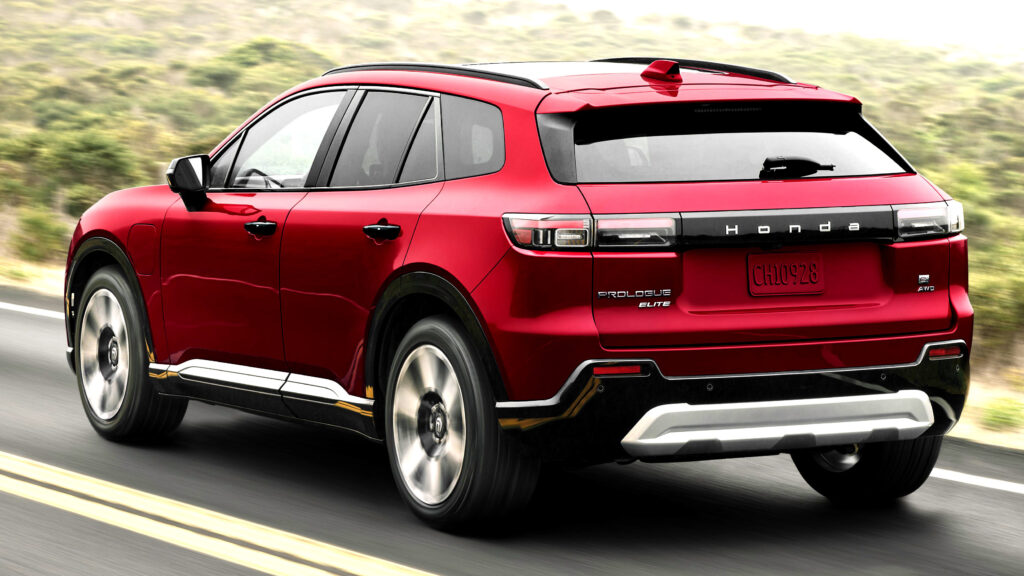
Honda may discontinue production of the Prologue electric crossover after the current cycle ends in December of this year. This decision is being considered against the backdrop of a sharp decline in electric vehicle sales in the US following the cancellation of federal tax incentives and cooling demand. As sources report, the automaker does not plan to develop a second generation of this model, which effectively means its exit from the electric vehicle market in the country.
Sharp Sales Decline After Incentive Cancellation
The Prologue debuted only in 2024 and initially showed success: nearly 39,000 units were sold in 2025, aided by significant incentives and a federal tax credit of $7,500. However, after the cancellation of these benefits, demand plummeted. According to data, sales in early 2026 decreased by approximately 74% compared to the same period last year. Honda has already cut production almost in half and expects to sell fewer than 18,000 vehicles this year.
After the US government canceled the tax credit for electric vehicles, Prologue sales sharply declined.
The Unenviable Fate of a Joint Project with General Motors
The Prologue has always been a somewhat unusual project for Honda, as the vehicle is not manufactured by the company itself but by General Motors at a plant in Mexico on a GM platform. Honda used this technology as a quick way to enter the US electric vehicle market while developing its own architecture in parallel. The sibling model from Acura, the ZDX, was already canceled in September of last year after just one year of production.
Departure from Electric Course and Focus on Hybrids
The company appears to be preparing for an even greater retreat from its electric ambitions. Earlier this week, Honda confirmed the cancellation of several future electric models planned for the North American market and intended for production in Ohio. Among the canceled models:
Financial Consequences and Dealer Reaction
The strategy shift could cost the automaker up to $15.8 billion in written-off assets and expenses. Suppliers will also suffer, as they have already begun producing components for the RSX and hired staff in preparation for the production launch in July. However, Honda dealers will not mourn these changes. Many note that customers currently prefer hybrids and are happy to avoid buying expensive full-fledged electric vehicles.
This situation with the Honda Prologue vividly illustrates the complex challenges traditional automakers face during the transition to electric vehicles. Fluctuations in government support, changes in consumer demand, and the high costs of developing new platforms can quickly alter strategic plans. Honda’s decision to focus on hybrids reflects a more cautious approach, aligned with current market realities, even if it means a temporary retreat from long-term electric ambitions. The success of this strategy will depend on whether demand for hybrids proves sustainable in the coming years.