


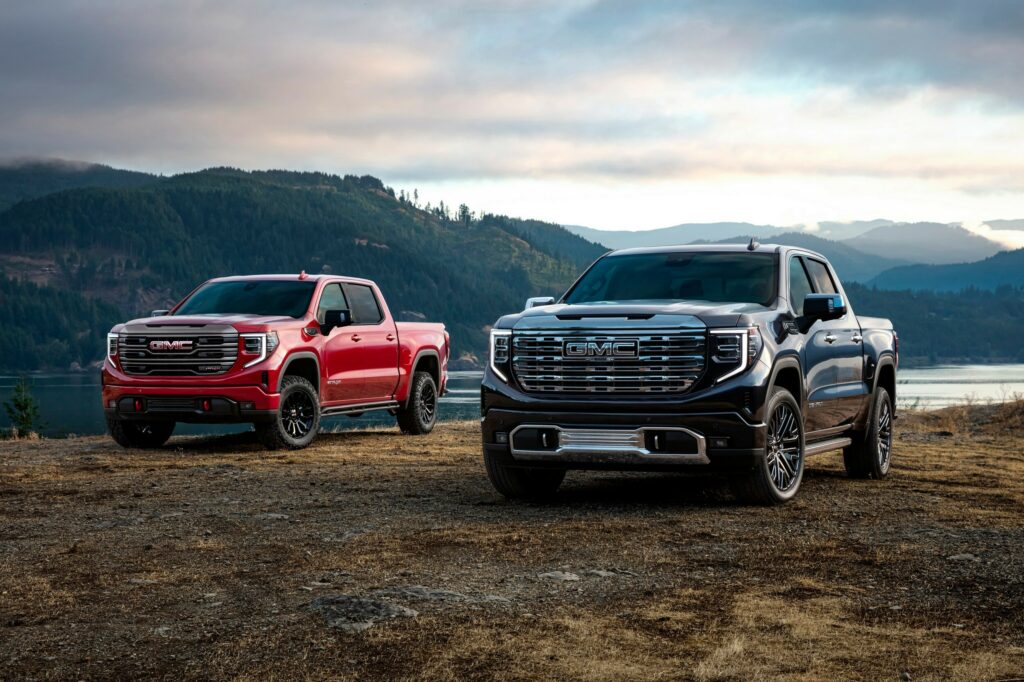
GM redirects pickup trucks from the Middle East to the US
While Ford gradually ramps up F-150 production this month, General Motors is seeking to increase pickup truck inventories in the United States, hoping to capture some of Ford’s market share.
GM CFO Paul Jacobson recently confirmed that the company had 9% fewer pickup trucks in dealer inventories across the US at the end of the first quarter compared to last year. This is primarily due to strong sales at the end of 2025, as well as plant downtime in preparation for the launch of the new generation of GM heavy-duty trucks.
At the end of the first quarter, inventories stood at approximately 47 days. GM aims to increase this figure to 50-60 days. Boosting inventories is helped by GM redirecting about 7,500 of its full-size pickup trucks that were destined for the Middle East, but will instead be sold in the US due to the war in Iran.
“Lower inventories were holding back retail sales,” Jacobson told Autonews. “Looking ahead, we are working to increase inventory levels of key products and believe we can raise it over the next few quarters, given the broader demand.”
Ford’s problems play into competitors’ hands
GM appears keen to strengthen its position in the pickup truck market while Ford struggles. Ford’s pickup truck production remains low following a massive fire at the Novelis aluminum plant that supplies parts. According to CatalystIQ, F-150 inventories have shrunk by more than 40% after the fire.
“It is sensible to ramp up production right now, as their inventories are low relative to demand,” noted analyst David Whiston. “But if you are GM, you want to capitalize on Ford’s weakness.”
Ram is also well-positioned to benefit from Ford’s limited supply. As of the end of March, Ram had 138 days of inventory in its US dealer network, significantly above the industry average (79 days).
“Two automakers, for different reasons, cannot produce as much as they wanted at the beginning of the year,” said Stephanie Brinley of S&P Global Mobility. “Ram does not have that problem right now, so there is potential for a redistribution of market shares between Ram and Chevrolet during this year.”
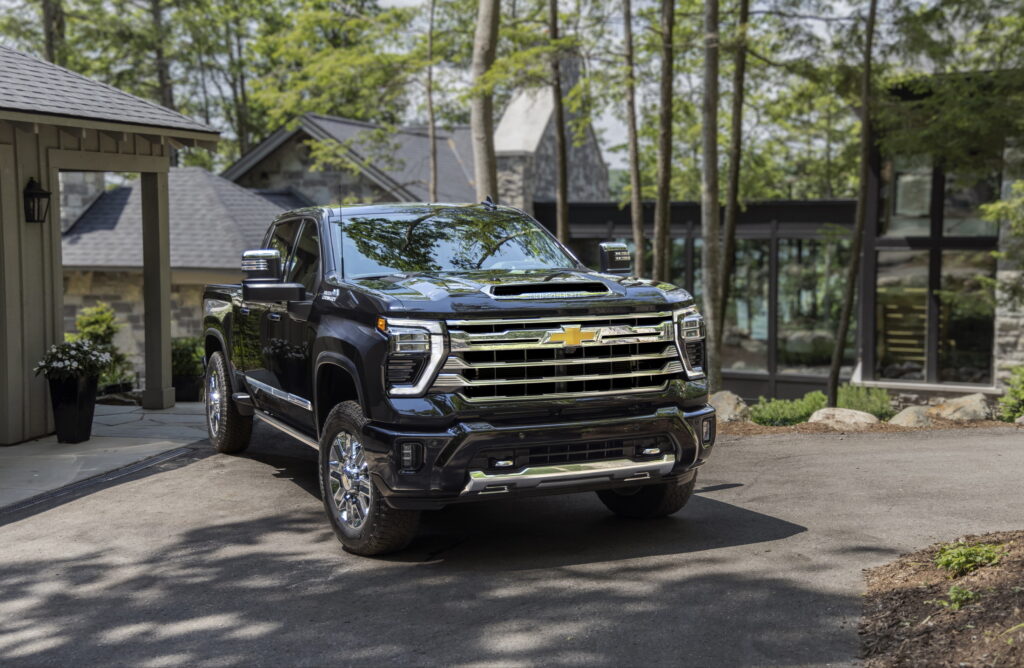

The situation in the US pickup truck market demonstrates a classic competitive struggle: while Ford overcomes the aftermath of production issues, GM and Ram are actively trying to fill the gap. The redirection of 7,500 pickups from the Middle East testifies to GM’s logistical flexibility, but also highlights how important the American market is for manufacturers. At the same time, Ram’s huge inventory (138 days) could be both an advantage and a risk if demand suddenly drops. Overall, the second quarter of 2026 promises to be tense for all players in the pickup truck segment.