


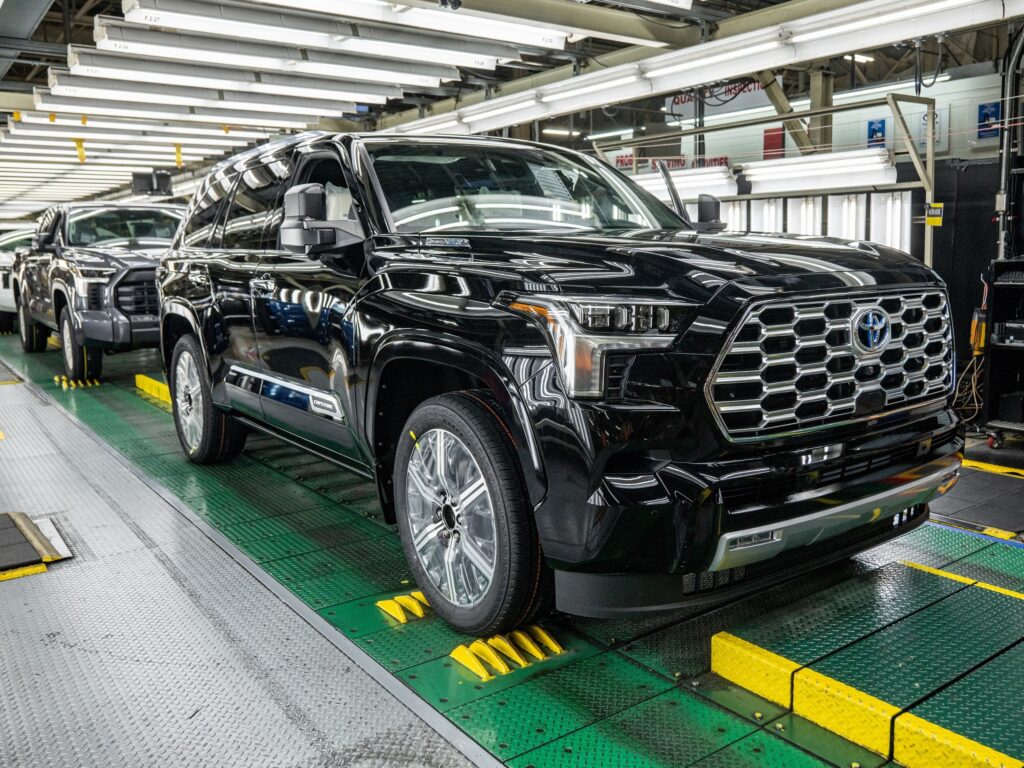
Toyota Moves Tacoma Production to the U.S.
Toyota has announced plans to invest $3.6 billion in its San Antonio plant to build a second assembly line. It is expected to become operational in 2030 and create over 2,000 new jobs.
The new line will produce the Tacoma pickup truck, with an annual capacity of about 150,000 units. Due to the relocation of the midsize pickup’s production to the U.S., assembly at the Baja California plant in Mexico will cease over approximately four years.
More details: Tacoma prices rise again, but Toyota tries to soften the blow
Toyota stated that the investment aligns with its ‘best company in town’ approach, which involves contributing to the local community and continuing to offer a variety of options tailored to local needs through a multi-pathway strategy.
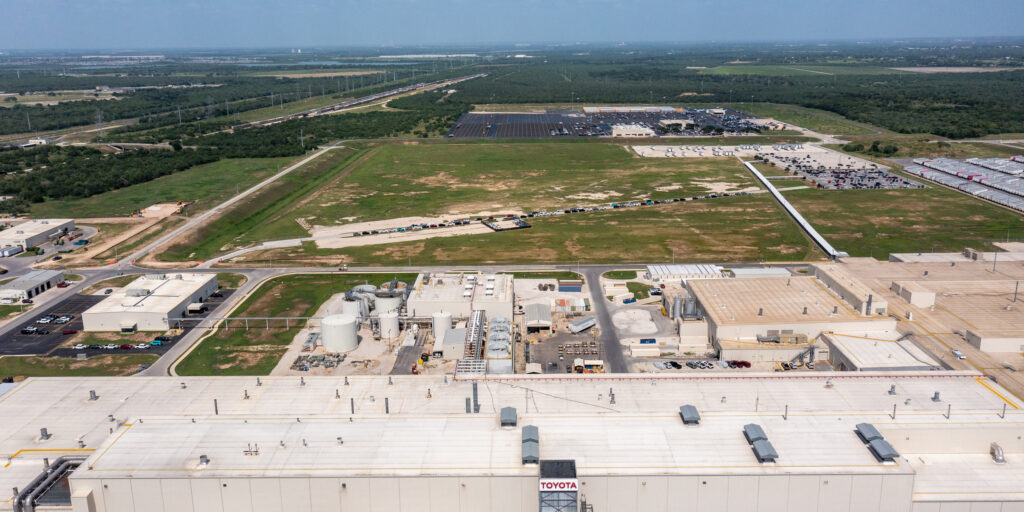
Expansion of the San Antonio Plant
The automaker added that the San Antonio plant’s footprint will double with an additional 2.5 million square feet. This will allow the Tacoma to be produced alongside the Tundra and Sequoia. A new rear axle manufacturing plant also recently appeared on the campus and will soon begin operations.
Future of Mexican Plants
The future of the Baja California plant remains uncertain, as it currently produces only this pickup, but will continue manufacturing the model for a few more years. Additionally, Toyota stated it remains committed to production in Canada, Mexico, and the U.S., and urges officials to reach a ‘swift resolution’ to the USMCA trade agreement, which the Trump administration recently chose not to renew.
This is important because Toyota also produces the Tacoma at its plant in Guanajuato, Mexico. It appears this facility will not be affected by the latest changes, so pickups will still be manufactured south of the border.
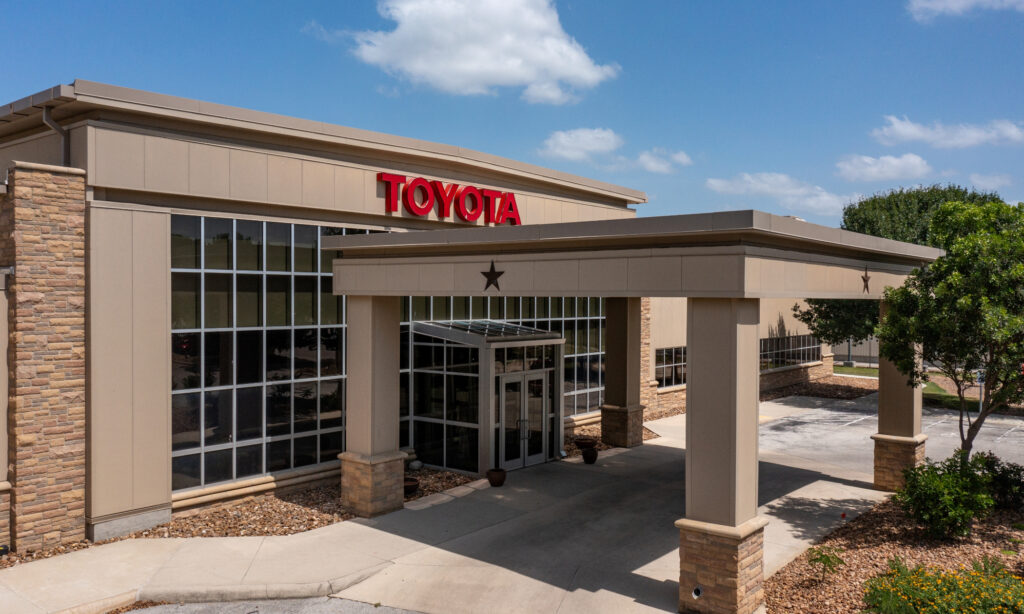

Management Comments
Ted Ogawa, CEO of Toyota Motors North America, said: ‘Toyota’s continued investments in North America are a testament to our confidence in the region’s workforce, innovation, and long-term growth potential. By expanding our San Antonio plant, we are deepening our commitment to American manufacturing, creating meaningful and sustainable jobs while advancing our mission to produce high-quality vehicles that meet the evolving needs of customers today and in the future.’
Texas Governor Greg Abbott noted that the expansion is supported by the Texas Enterprise Fund and the JETI (Jobs, Energy, Technology and Innovation) program, which aims to ‘help Texas remain competitive by attracting new jobs and investments to the state.’ He added: ‘These Texas investments reflect the strength of our workforce and the unparalleled business advantages found only in our state,’ and that the expansion ‘will bring economic opportunities to generations of San Antonio families.’

Toyota’s move is part of a broader trend of shifting production capacities closer to the market, allowing for reduced logistics costs and dependence on international trade agreements. The investment in Texas also signals the company’s ambition to strengthen its position in the North American pickup truck market, one of the most profitable globally. At the same time, maintaining production in Mexico indicates that Toyota is trying to balance its production strategies, considering both economic benefits and political risks.