


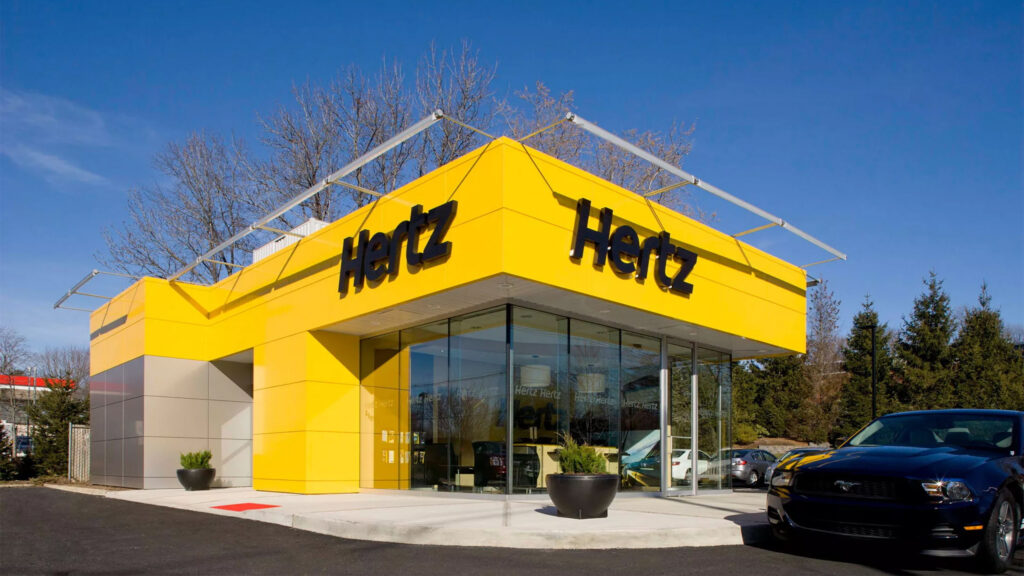
Hertz bets on a driverless future
Hertz has plans for a driverless future, and they don’t involve building its own autonomous vehicles. Instead, the rental giant wants to manage robotaxi fleets, starting with an operation led by Uber, leaving the development of hardware and software to others.
Few companies in the US have as much experience in managing vehicle fleets as Hertz. And it clearly believes that robotaxi services are an attractive way to grow in the future, even if such services remain quite limited for now.
Read also: Uber and Lucid join forces to create thousands of robotaxis
Hertz’s main step was the creation of a new division, Oro Mobility. It will specialize in managing and maintaining large fleets of autonomous vehicles. Initially, Oro will support Uber’s robotaxi program, using Lucid vehicles with advanced autonomous driving technology from Nuro.
What will Hertz do?
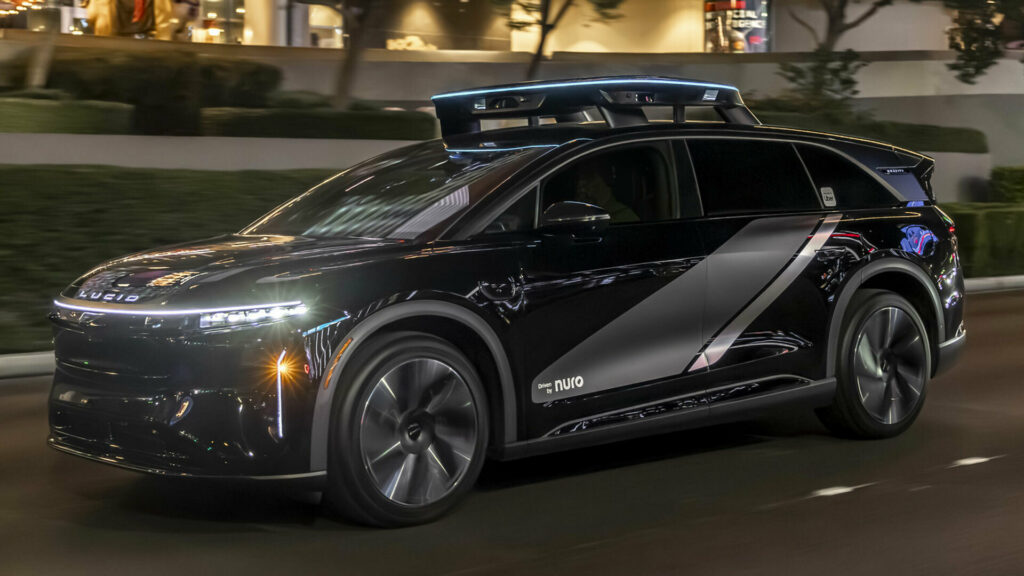

Oro will handle charging, maintenance, repair, cleaning, and depot staffing for the Uber service. Initially, the service will launch in the San Francisco area and expand to other markets next year.
This is not the first time Hertz has invested in what it considers a promising area. But last time it ended in failure. Just a few months after emerging from bankruptcy in June 2021, the company’s management announced the purchase of over 100,000 electric vehicles from Tesla and other brands.
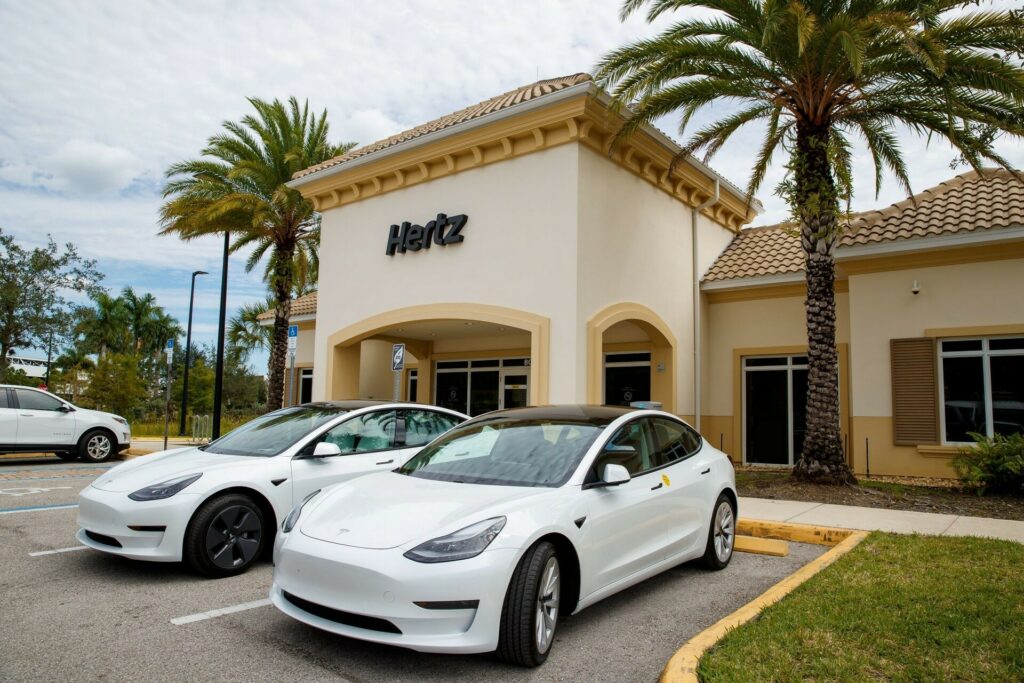

Hertz acquired about 30,000 electric vehicles, mostly Teslas, before realizing it was not the wisest decision. High repair costs and a drop in residual value forced the company to offload these cars during 2023–2024, resulting in billions of dollars in losses.
In addition to helping manage Uber’s autonomous service, Oro Mobility already operates its own vehicles with its own drivers in Los Angeles and San Francisco through the Uber platform. This spring, drivers in North New Jersey will join them.
Focusing on what the company does best — fleet management — seems like a much safer bet than the total EV adventure of five years ago. If robotaxi services do not live up to Uber’s expectations, it will be Uber, not Hertz, that takes the losses.

This cautious approach allows Hertz to take advantage of the growing autonomous transportation market without bearing all the risks associated with technology development. The partnership with Uber and Lucid gives the company access to cutting-edge developments, while its vast experience in fleet management becomes a critical asset. If driverless taxis indeed become a mainstream phenomenon, Hertz will be in an ideal position to service these fleets nationwide, while avoiding the costly mistakes of the past.