



Chinese Carmakers Shift Focus to Export
The Chinese electric vehicle industry is increasingly looking overseas, as growth in the domestic market begins to slow. In February, BYD crossed a symbolic threshold: it shipped approximately 100,600 cars abroad, accounting for about 53% of its total sales for the month. For the first time, exports exceeded domestic deliveries.
This shift did not happen by chance. Price wars, shrinking margins, and more cautious spending within China have forced manufacturers to reconsider where the next phase of their growth will come from.
Great Wall Motor is experiencing a similar situation. Of the approximately 72,600 cars sold in February, over 42,600 were delivered abroad.
Until recently, China’s vast domestic market absorbed the majority of the industry’s output. Now, the balance is shifting. Carmakers that once operated almost exclusively in the home market are building their future on overseas markets.
Global Markets as the New Frontier
Export is no longer a side business. It is rapidly becoming central to strategy. Industry data indicates that Chinese carmakers shipped over 2.6 million cars abroad last year. This is more than double the figure from the previous year.
This expansion speaks to good cost control, mature battery supply chains, and the ability to rapidly scale up production. In many developing markets, Chinese electric vehicles have aggressive pricing, giving them a clear advantage over established competitors.
Meanwhile, domestic troubles are making business at home increasingly difficult. Government incentives have decreased, competition seems to be constantly growing, and consumers are approaching major purchases more cautiously.
As prices have stabilized and the phase of very early technology adoption has passed, sales growth in the domestic market has slowed. Companies accustomed to China’s huge appetite for new energy vehicles need new sources of demand elsewhere.


Overseas Growth and Trade Risks
Southeast Asia, Latin America, and the Middle East have become key targets. In countries like Thailand, Chinese electric brands have transformed from niche players to serious contenders in just a few years. These markets typically have lower trade barriers and show growing interest in affordable, low-emission cars. This combination has provided an opportunity for explosive growth.
However, the export push comes with risks. Trade tensions in Europe and North America have led to higher tariffs and stricter regulations. This squeezes margins and complicates long-term planning. Carmakers are responding by investing in overseas factories, distribution networks, and service, aiming to secure long-term positions rather than short-term sales spikes.
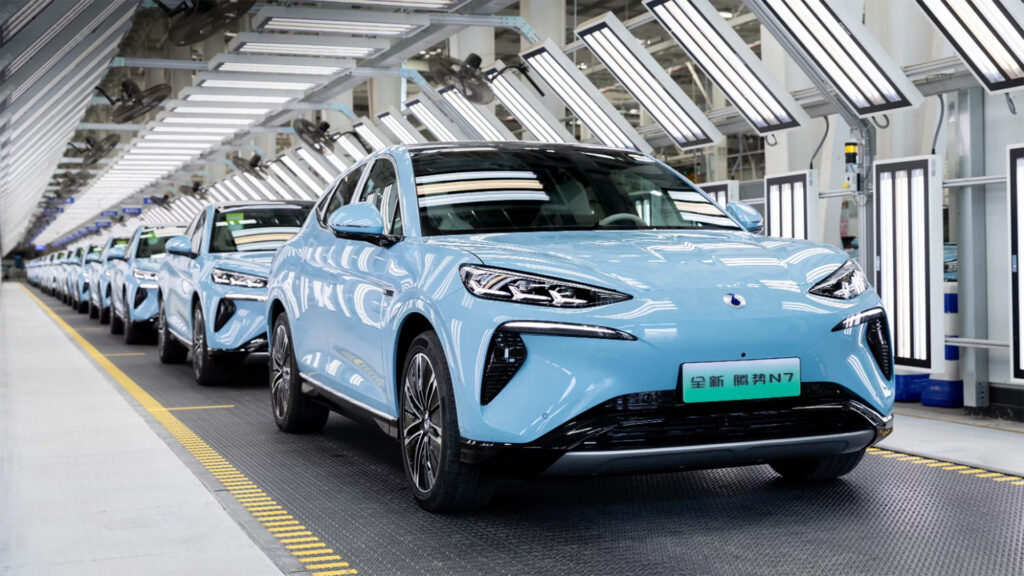

This transformation of the Chinese auto industry from a national to a global player is one of the most important economic stories of our time. The success of companies like BYD abroad demonstrates how technological innovation and manufacturing efficiency can redefine global markets, even as domestic demand cools. The future of these brands will depend not only on their ability to produce affordable cars but also on how well they can integrate into local economies, overcome political barriers, and build consumer trust worldwide. Their journey will be a test of the resilience of the new model of the global automotive industry.