
 by
by Recently, the average price of a new car has increased significantly. In markets like the United States, the average transaction amount already exceeds $50,000. This figure vividly illustrates how much the market has changed compared to the past decade.
According to industry statistics, from the end of 2018 to last year, average transaction prices increased by approximately 40%, showing the rate of cost growth.
The reasons for rising car prices are not limited to inflation or increased production costs. According to analysts, this is the result of a combination of several trends in the global automotive industry.
These changes are also transforming the market itself: fewer low-income buyers can afford new cars, so they are increasingly turning to the used car market.
Focus on Larger Cars
One of the main reasons for the price increase is the change in the model lineup offered by manufacturers. Auto companies are gradually phasing out small and affordable models, focusing on SUVs, crossovers, and pickups. These larger vehicles provide higher profit margins, which is a priority for shareholders and company management.
According to some estimates, the profitability of large SUVs and pickups can exceed 20%, which only confirms why manufacturers are betting on them.
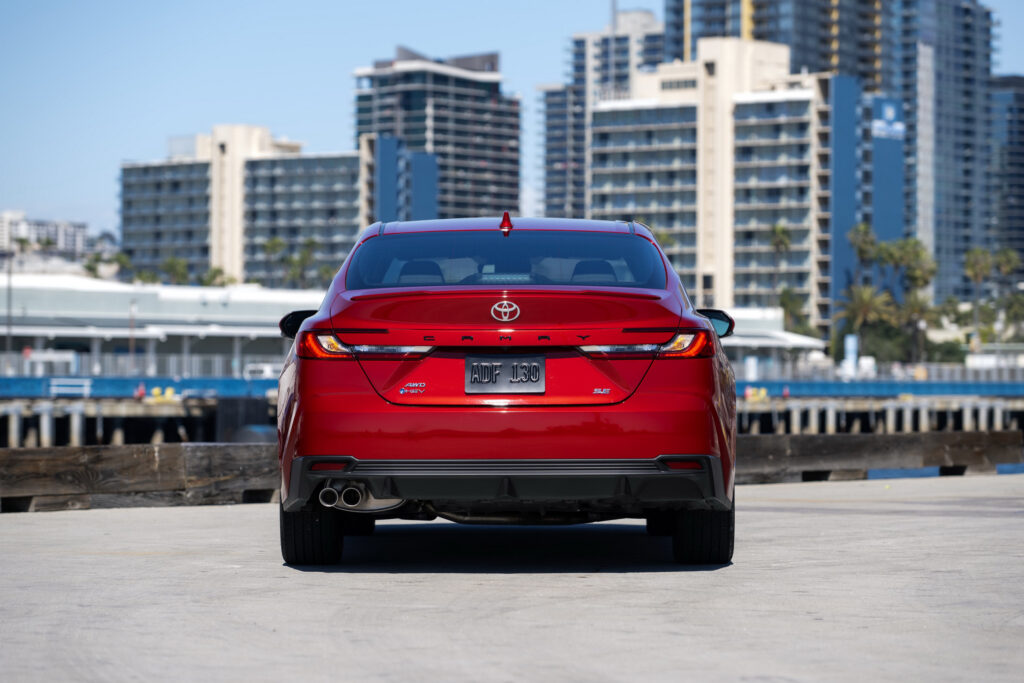
The market is witnessing a trend of affordable sedans and entry-level compact cars disappearing. As cheaper models vanish from dealerships, the average price of a new car inevitably rises. Even customers who prefer small cars have a significantly less budget-friendly choice today.
Another factor is the rapid increase in the number of technologies in modern cars. Today’s vehicles are equipped with advanced driver assistance systems, digital multimedia screens, sensors, cameras, and connectivity features that just a few years ago were luxury-class options. These technologies make cars safer and more convenient, but simultaneously increase production costs, which is reflected in the final retail price.
Economic Factors

Supply chain disruptions in recent years have also played an important role. During the semiconductor shortage, manufacturers faced difficulties in supplying production with all necessary components. Fewer cars on dealer lots allowed companies to better control prices. Even with improvements in production, prices have not returned to previous levels.
Costs have also risen in other areas. The cost of raw materials, shipping, and production has increased significantly over the past few years. Automakers have responded by adjusting prices for many models to maintain their profitability.
For consumers, the result is obvious. Many buyers now arrange longer auto loans just to make monthly payments affordable. Seven-year loan terms are becoming increasingly common as people try to balance high prices with a limited budget.
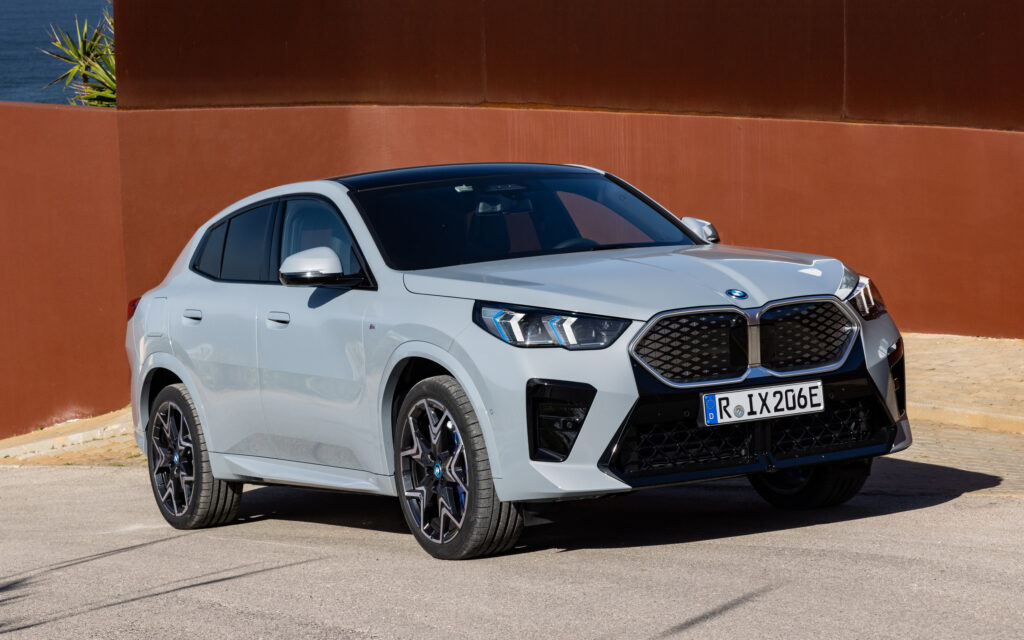
These structural changes in the automotive industry appear to be long-term. The transition to electric vehicles, actively promoted in many countries, may also contribute to further growth in average prices due to more expensive battery technology. Under such conditions, the used car market will likely continue to play a key role for a significant portion of the population, and financial institutions will adapt credit products to the new realities, where long-term obligations become the norm for obtaining a new vehicle.