
 by
by Ram Warranty Extension
The Ram company has extended its limited powertrain warranty to 10 years or 100,000 miles. This program, which was set to end in early January, will now be in effect for the entire 2026 model year. The only exception is the ProMaster EV electric van.
The decision to extend was made after the manufacturer received numerous responses from customers and dealers. The warranty covers key vehicle components such as:
Impact on the Market and Customer Loyalty
This step is seen as a strong competitive move aimed at attracting buyers from manufacturers such as Chevrolet and Ford. The benefit of the warranty is particularly evident, considering that pickup truck buyers are traditionally characterized by high brand loyalty.
As noted by Ram CEO Tim Kuniskis, nearly 80% of loans for new trucks are issued for terms over five years. This means owners may still be paying off their car loan after the standard warranty expires. Ram’s warranty protects them from major expenses in case of a serious breakdown during this period.
Warranty Terms and Limitations
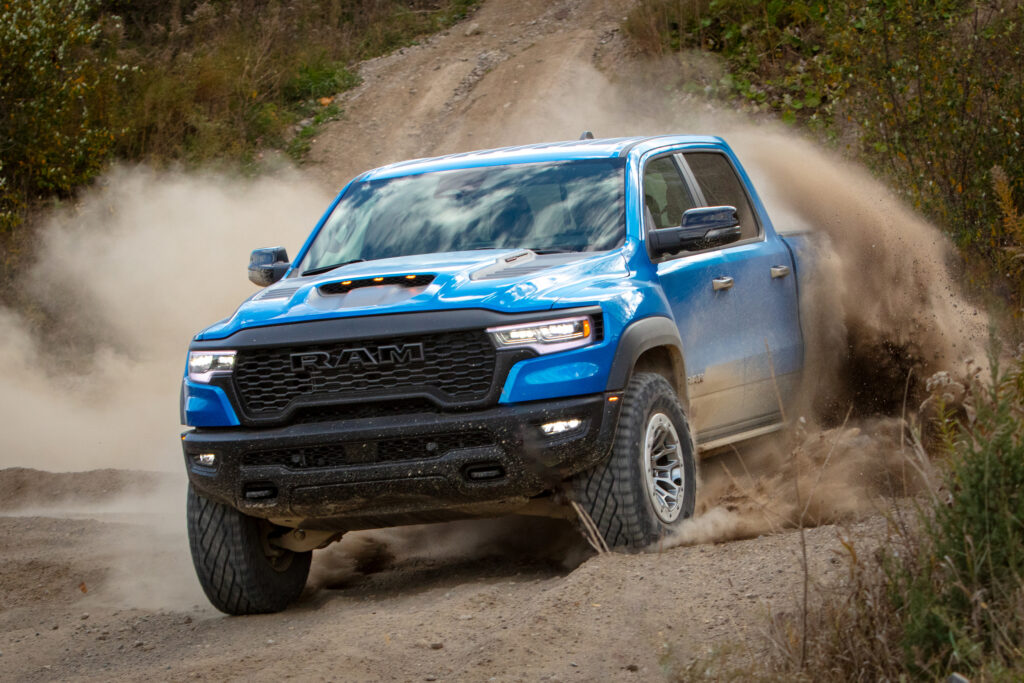
The program applies to new pickup trucks and vans sold in the USA and Canada, from the ProMaster model to the powerful 1500 RHO pickup. However, there are certain conditions:
The warranty is valid only for the first owner and does not apply to fleet vehicles. At the same time, retail purchases and leases for individuals and businesses are covered.

Extending the warranty program to such key and expensive-to-repair components can mean savings of thousands of dollars for customers. This is not just a marketing move, but a real tool to protect the buyer’s investment in the long term. Similar initiatives are changing standards in the commercial and semi-truck market, forcing other manufacturers to also review their offerings. In conditions where technology is becoming increasingly complex and its maintenance costs are rising, long-term warranties become a significant argument in the choice. This also indicates the growing confidence of manufacturers in the reliability of their products, forming a new level of trust from consumers.