


Design Strategy for the Future
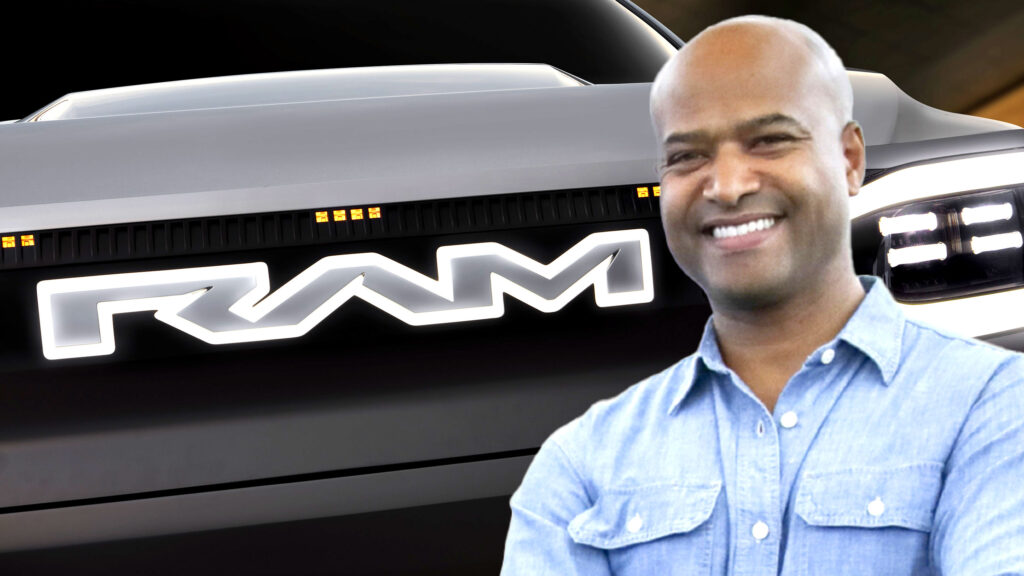
Stellantis design chief Ralph Gilles is planning the evolution of all 14 of the conglomerate’s brands. His roadmap includes futuristic Ram pickups, a radical change of course for Maserati, and clear identity formation for European marques.
A New Look for Pickups
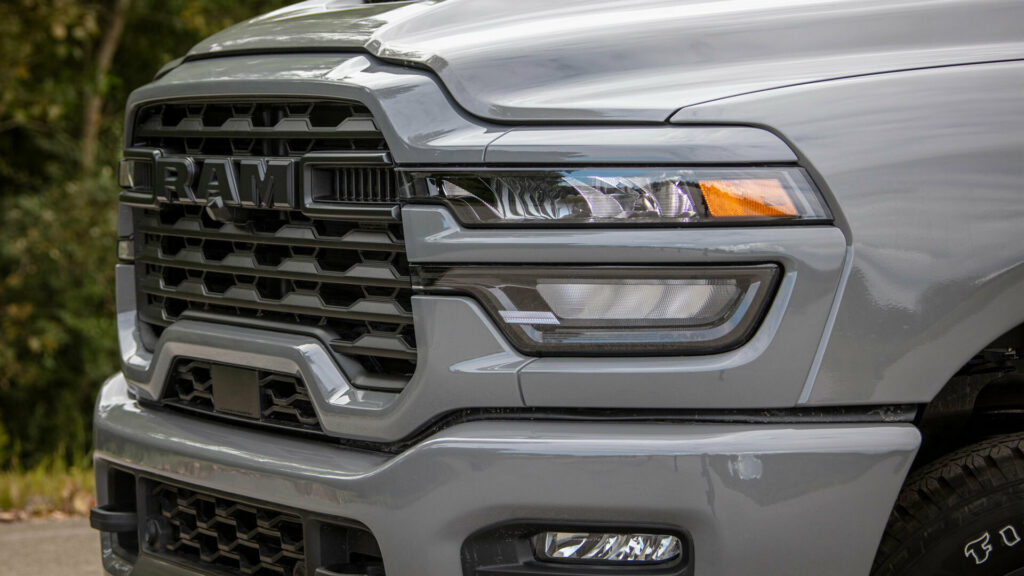
Focusing on North America, Gilles spoke candidly about modern full-size pickups. He criticized overly aggressive design, calling the faces of new GM models “angry” and “overly exaggerated,” and even questioned the appeal of the Tesla Cybertruck to buyers.
The next generation, already in development, is being shaped with a “different kind of appeal” in mind, making it “much more futuristic” on the road.
Ram plans to move in a different direction. The brand is also exploring the possibility of creating a mid-size pickup, expected to become the Dakota, as, according to Gilles, “pickups have gotten quite large.”

Questions of Powertrains and Affordability
Regarding powertrains, Gilles is not convinced that battery electric vehicles are the right answer for pickups, at least not yet. In his opinion, the full electrification of this segment seems forced.
At the same time, affordability is a key challenge. Gilles describes it as “the biggest issue right now — to create an affordable product that is desirable and appealing.” Stellantis is shifting towards “essentialization” of design, eliminating unnecessary costs and focusing on “what is really necessary.”
SUV Fatigue and the Future of European Brands
Gilles openly admits to a feeling of “SUV fatigue,” confirming customer desire for the return of sedans, while younger designers lean towards hatchbacks that are “fun to drive and easy to park.”
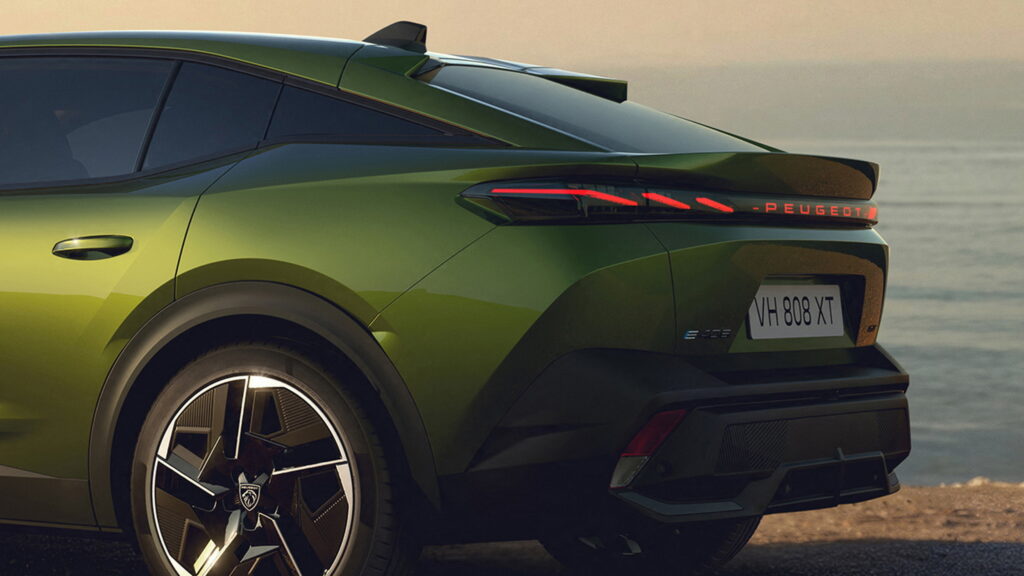
As for European marques, unlike American brands such as Jeep, Dodge, and Ram, which have clear identities, Europe needs “cleaning up” to eliminate overlap between brands like Fiat, Peugeot, and Citroen. For each of them, plans are to create “new unique signatures.”

Alfa Romeo and Maserati’s Radical Shift
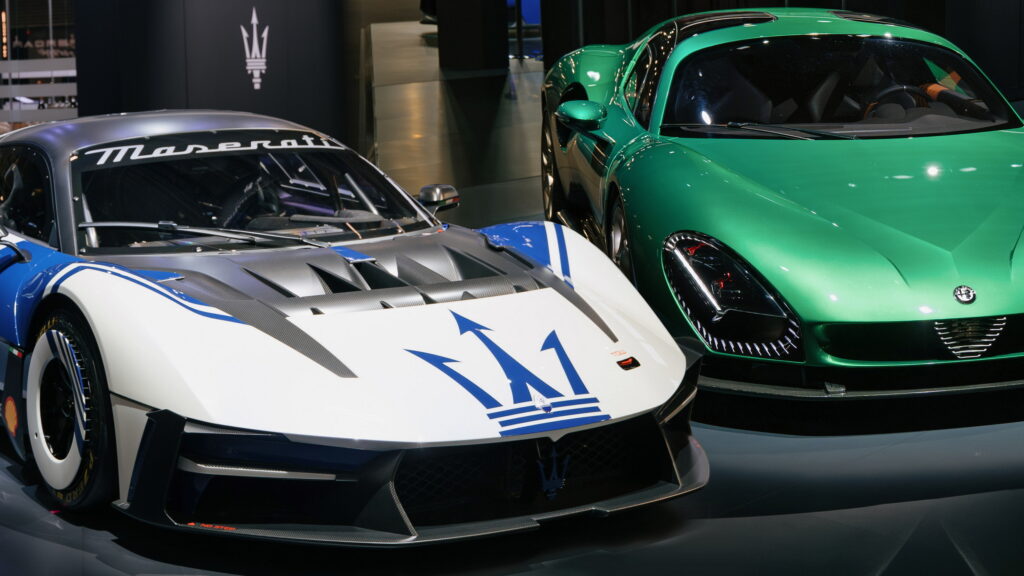
Alfa Romeo remains a “puzzle” for Stellantis designers, as “performance means different things to the new generation.”
Maserati is preparing for a “complete U-turn” in terms of style. The next generation of Trident models is now being developed as a “cauldron of experiments,” moving towards a technology-rich, futuristic statement that may ignore “business sense” in favor of pure innovation.

The Impact of Artificial Intelligence and a Role Model
The designer also reflects on the impact of artificial intelligence in the automotive industry, envisioning a future where cars will offer a “humanoid aspect,” creating interpersonal relationships between the driver and the machine through advanced UX.
Gilles also shared his admiration for the Cadillac Celestiq as a cool example of how a historic brand “rediscovers its roots in a new way” with a car that is “hard to ignore.”
Ralph Gilles’s statements point to a deep transformation being prepared within Stellantis. The move away from aggressive aesthetics in favor of futurism, the emphasis on affordability, and clear brand differentiation are a response to changing market trends and consumer expectations. His comments on SUV fatigue and the complexity of positioning Alfa Romeo underscore that even large auto giants face the need for constant adaptation in a very dynamic environment. The success of this strategy will depend on how successfully these concepts can be turned into real, attractive cars for buyers, especially in the face of global competition and economic uncertainty.