 by
by Cars are becoming more expensive, and this applies to both new and used models. The issue of vehicle affordability has reached such a scale that it is being discussed by manufacturers and legislators. New data indicates that one in five car buyers in America now makes a four-digit monthly payment for their vehicle. This trend affects not only individual owners but is also changing the market for everyone.
Record Monthly Payments
According to new data from Edmunds, in the fourth quarter of 2025, 20.3% of all financed new car purchases were accompanied by monthly payments of $1,000 or more. This is the highest figure ever recorded. It increased from 19.1% in the third quarter of 2025 and 18.9% a year earlier. This is the culmination of a year characterized by persistently high prices, increased interest rates, and consumers forced to make significant financial efforts to purchase a new car.
Faced with persistently high car prices and loan costs, many consumers have been forced to adapt by financing larger amounts, extending loan terms, and, increasingly, agreeing to four-digit monthly payments. The record figures we are seeing reflect the financial pressure many buyers have faced throughout the year.
The pressure is not only felt by new car buyers. A record has also been set among used car buyers: 6.3% are taking out loans with monthly payments over $1,000. This is driven by higher prices for used cars and double-digit interest rates, which averaged 10.6% in the fourth quarter. The numbers behind these payments reveal a deeper picture.
The average monthly payment for a financed new car reached a record $772. The average financed amount rose to $43,759, also a historical high. In other words, although interest rates are slightly decreasing, buyers are still borrowing more money than ever before. They are also paying off these funds over a longer period.
Long-Term Loans as the Norm
Long-term loans are essentially keeping deals viable. About 20.8%, or more than one in five buyers of financed new cars, agreed to a loan term of 84 months (7 years) or longer in the fourth quarter. This is a decrease compared to the third quarter of 2025 but still significantly exceeds pre-pandemic levels.
In fact, this is a sharp jump compared to the fourth quarter of 2024, when 84-month loans accounted for only 17.9% of the market. Extended financing is becoming the norm, and this is bad news for ordinary consumers.
The average annual percentage rate (APR) for a new car loan was 6.7%, slightly lower than at the beginning of the year but still near historical highs. 0% financing remains a rare phenomenon, applying to only 3.1% of new car loans during the quarter. This figure increased slightly from 2.4% a year ago, which might be a small sign of promotional offers returning. Such deals can easily deprive consumers of the ability to accumulate long-term wealth, but people are still signing on the dotted line.
The Affordability Gap

Against this backdrop, a major gap is emerging. Data from Cox Automotive shows that new car sales have increased by 45% since 2019 among households with an income of $150,000 or more, while buyers with incomes below $75,000 have almost completely left the new car market. This is likely why we are observing a huge split in the industry regarding the types of cars being offered for sale.
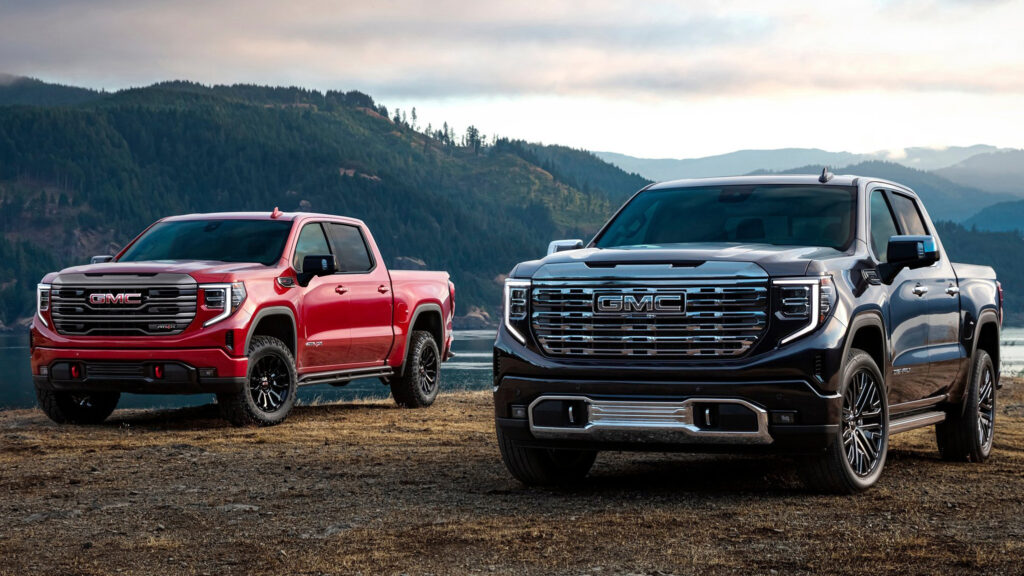
Numerous automakers are targeting affluent audiences, offering larger, better-equipped, high-margin vehicles such as pickup trucks, SUVs, and premium trims that justify their prices with size, technology, and perceived durability. Frankly, it is difficult to see any industry changes that could alter this trend. As always, careful calculation of costs before committing to a four-digit payment (not to mention insurance) is a key part of any car deal.
These trends are creating a two-speed market, where access to a new car is becoming a privilege of high incomes, and most consumers are either postponing purchases or agreeing to long-term financial obligations that may limit their economic mobility in the future. Lowering interest rates may bring some relief, but the main driver remains the base cost of vehicles. As long as manufacturers focus on profitable segments, the pressure on ordinary buyers is likely to persist, which could have long-term consequences for car ownership models and consumer behavior as a whole.