


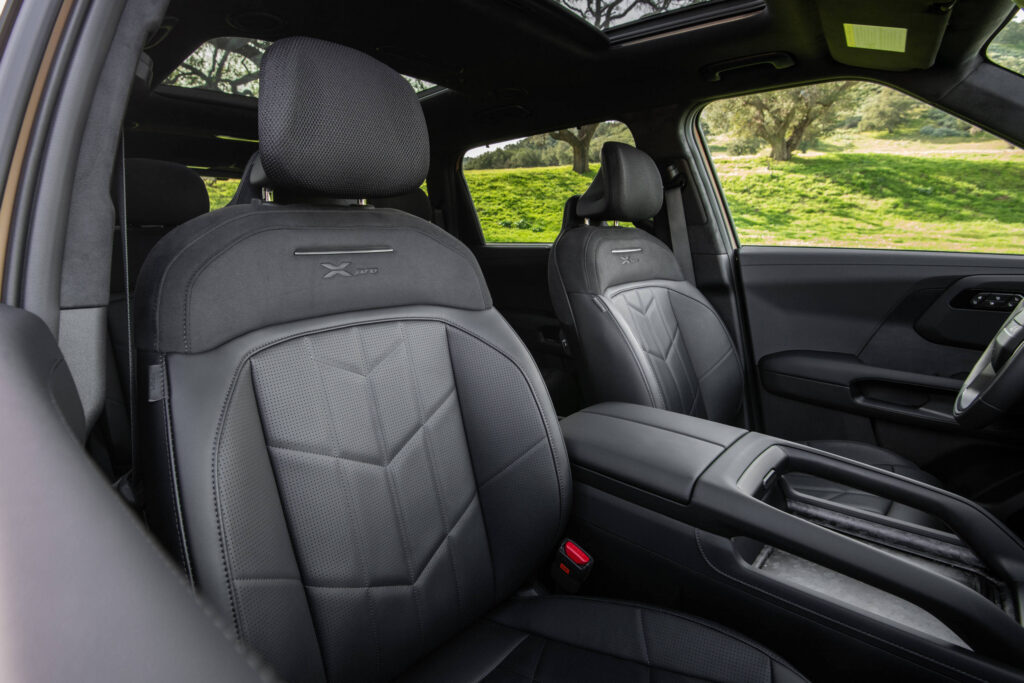
Seatbelt issues: Kia and Mercedes announce recalls
Kia and Mercedes have announced recalls for a total of 6,471 vehicles due to seatbelt problems. The recalls affect various models, but both manufacturers have encountered faults that could impact passenger safety.
Kia Telluride recall: driver’s seatbelt jamming
The Kia Telluride has been a hit with consumers, becoming the brand’s second best-selling vehicle last month. This is largely due to the launch of the updated 2027 model, which is now offered with a hybrid powertrain.
Unfortunately for Kia, the 2027 Telluride and Telluride Hybrid are now subject to a recall covering 6,264 vehicles. They may be equipped with a faulty seatbelt that does not comply with federal safety standards.
According to the National Highway Traffic Safety Administration (NHTSA), some driver’s seatbelt assemblies may have been equipped with the incorrect sensor. This could cause the emergency locking retractor to lock when the belt is pulled out, making it “temporarily unavailable as a passenger restraint.”
Kia first learned of the issue in April after receiving a report of a driver’s seatbelt jamming when trying to pull it out. A second case was recorded a few weeks later, but the problem could not be replicated. However, the investigation revealed numerous warranty claims related to the issue, as well as other vehicles exhibiting this fault.
This ultimately led to the recall, but Kia reports no injuries or fatalities associated with the problem. Owner notifications will be sent out at the end of next month, and dealers will replace the seatbelt assembly.
Mercedes problem: loose rear seatbelt bolts
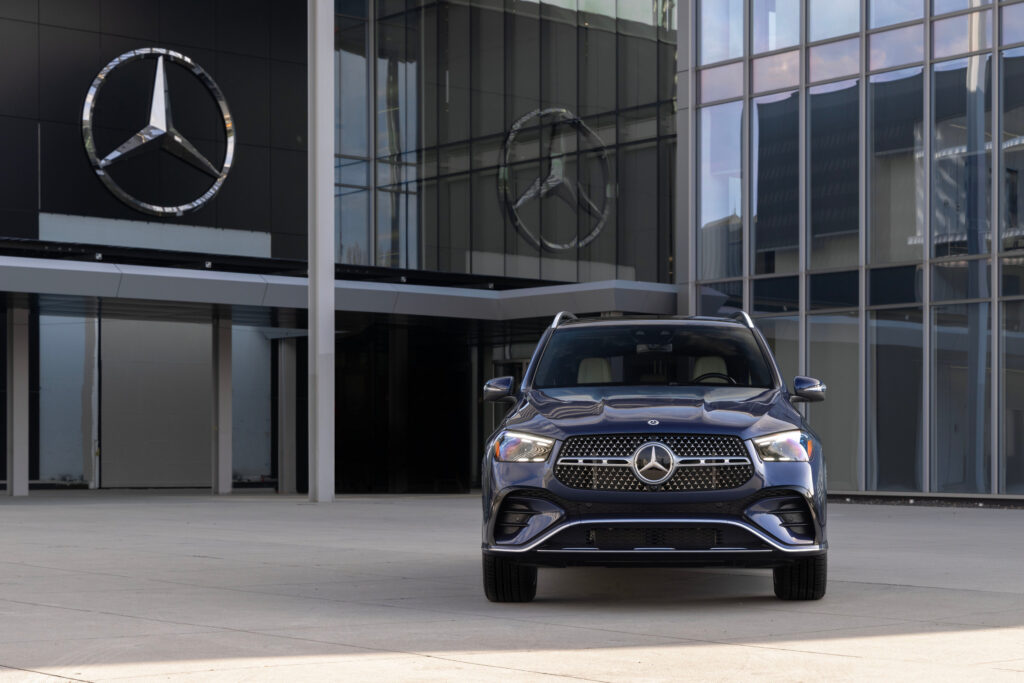
Seatbelts are also a concern for Mercedes, as the company is recalling 207 vehicles that may have a loose rear seatbelt bolt. This affects various models, including the 2026 GLE and GLS, as well as their AMG versions.
The German automaker learned of the issue in February after discovering a “deviation” in the production process through “internal quality control mechanisms.” This triggered an investigation, which found a seatbelt bolt that was not properly tightened.
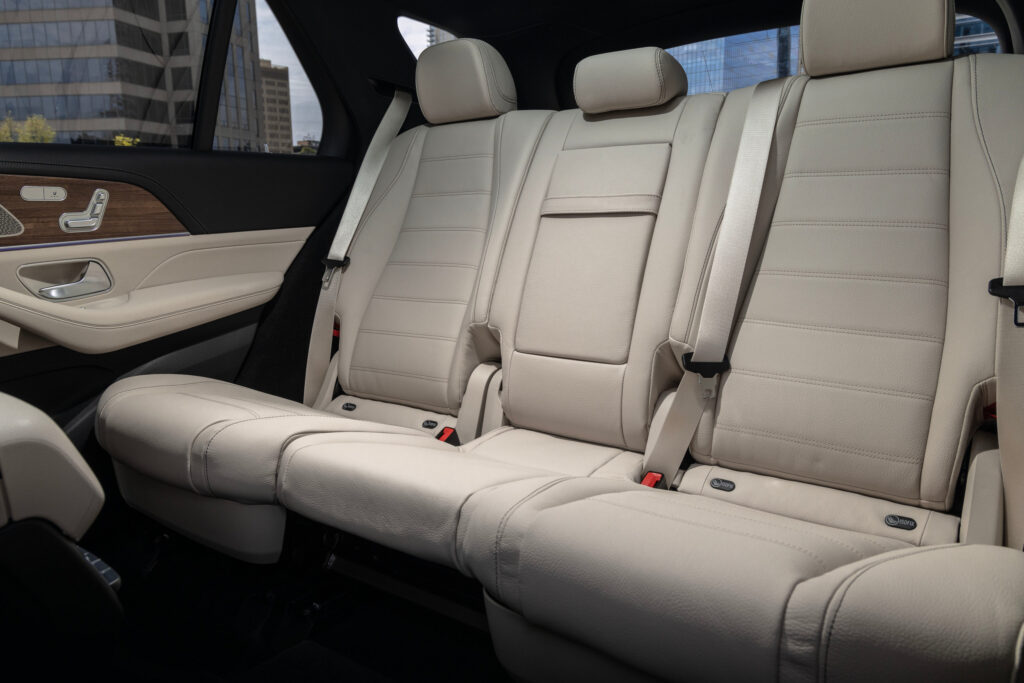

This is a vague wording, but the deviation means that the bolts used to secure the rear seatbelts to the vehicle may not have been tightened to the correct torque specification. This means they may not adequately restrain passengers in the event of a crash.
No warranty claims or field reports have been identified, but the recall involves dealers replacing any missing bolts and tightening any loose ones. This sounds like a simple fix, and notifications will be sent out on July 28.

Both recalls highlight the importance of quality control, even in seemingly simple components like seatbelts. For Kia, the problem stemmed from an incorrect sensor causing the belt to lock, while for Mercedes, the issue was a production process deviation leading to loose bolts. Although the number of affected vehicles is relatively small, especially in Mercedes’ case, these incidents serve as a reminder that even the smallest defects can have serious safety consequences. Manufacturers are responding quickly to identified issues, which is a positive sign for consumers who can expect free repairs at dealerships.