


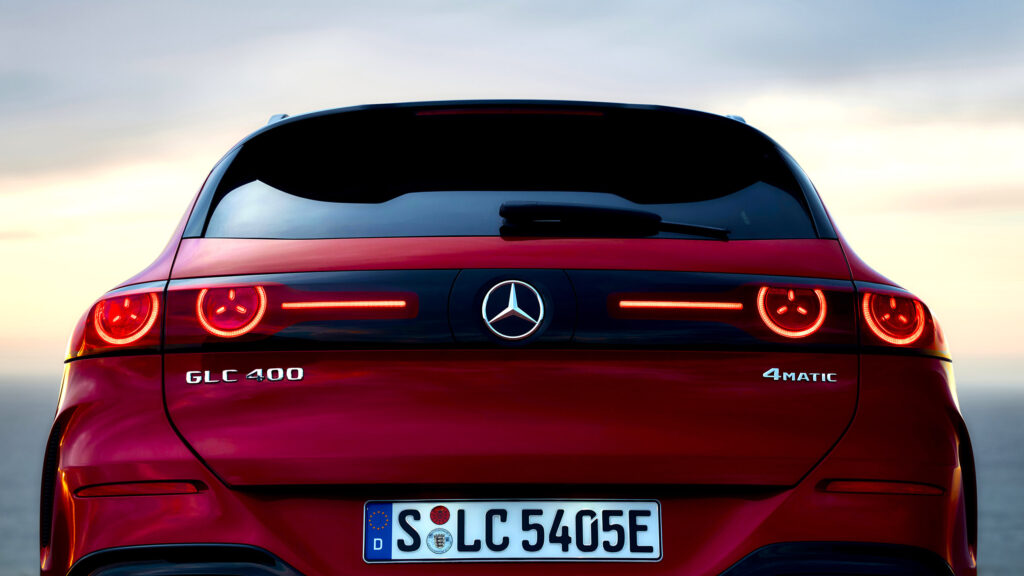
The electric car market in Germany has demonstrated an impressive turnaround. After the government canceled subsidies for electric cars at the end of last year, demand plummeted. However, since the beginning of this year, the situation has changed radically due to the introduction of new incentives.
Rapid Market Recovery
Despite economic uncertainty related to trade tensions and the war in Iran, the German car market accelerated in March. New vehicle registrations increased by 16 percent compared to the previous month. A total of 294,161 cars were registered, and an impressive 24 percent of them had battery-electric powertrains. This translates to 70,663 electric cars sold in a month.
This surge has put electric cars ahead of both gasoline and diesel models, which now account for 22.8 percent and 12.8 percent of the market, respectively.
This represents a significant increase of 66.2 percent compared to the 42,521 electric cars sold in March of last year. Since the beginning of the year, a total of 159,630 fully electric cars have been sold, which is 41.3 percent more than the 112,968 sold in the January-March period of 2025.
Hybrids Also Show Growth
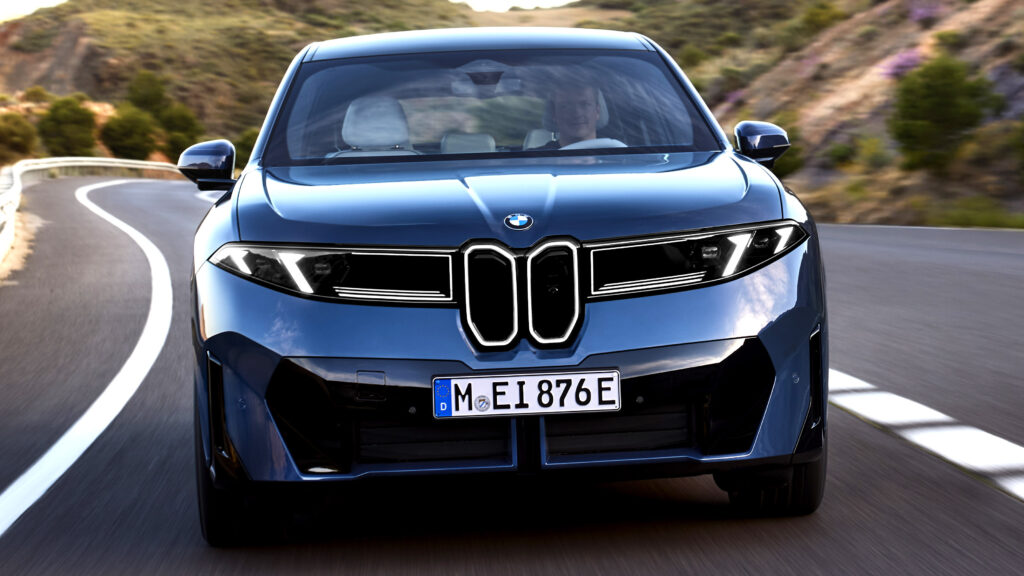

This year, not only electric car sales have grown sharply. Sales of hybrid models, including plug-in hybrids, increased by 16.2 percent in March to 117,845 units. First-quarter figures also rose by 10.4 percent to 282,600 units. Hybrids now account for 40.1 percent of all new car registrations in the country.
Sales Leaders
Several brands are behind the surge in electric car sales. For example, BYD sold 3,438 cars in March, which is 327.1 percent more than last year. Leapmotor sales also increased by 318.1 percent to 1,388, and Tesla sales grew by 315.1 percent to 9,252 units. Since the beginning of this year, 12,829 new Tesla models have been sold in Germany, which is 160 percent more than in the same period last year.
Among established brands, Opel (+43.0%), Audi (+25.0%), and BMW (+16.5%) showed strong growth in March, while Skoda achieved an 8.4 percent market share, becoming the most popular import brand.
New Incentives and Benefits
Since January 1, new electric cars registered in Germany are exempt from vehicle tax until December 31, 2035. Additionally, electric cars are eligible for a base subsidy of 3,000 euros and up to 6,000 euros for low-income households. Plug-in hybrids and electric cars with extended range can receive subsidies of up to 4,500 euros.
The total number of registrations in the first quarter of the year increased by 5.2 percent compared to the same period last year.
Detailed Brand Statistics
The table below demonstrates the sales dynamics of major car brands in Germany for March 2026 and year-to-date.
Brand / March-26 / Market Share, March-26 / Change vs March-25 / Jan-Mar 26 / Market Share, YTD-26 / Change vs YTD-25
ALFA ROMEO / 527 / 0.2 / -26.1 / 1,352 / 0.2 / -30.1
AUDI / 22,013 / 7.5 / 25 / 51,586 / 7.4 / 7.1
BMW / 24,308 / 8.3 / 16.5 / 58,547 / 8.4 / 8.1
BYD / 3,438 / 1.2 / 327.1 / 9,120 / 1.3 / 644.5
FORD / 9,511 / 3.2 / 8.7 / 23,905 / 3.4 / -7.4
HYUNDAI / 10,273 / 3.5 / 29.5 / 23,706 / 3.4 / 16.5
MERCEDES / 23,710 / 8.1 / 7.5 / 59,095 / 8.4 / -2.4
OPEL / 13,697 / 4.7 / 43 / 33,564 / 4.8 / 38.9
SKODA / 24,854 / 8.4 / 34 / 62,438 / 8.9 / 24.6
TESLA / 9,252 / 3.1 / 315.1 / 12,829 / 1.8 / 160
VW / 52,556 / 17.9 / 3.2 / 131,012 / 18.7 / -5.3
TOTAL / 294,161 / 100% / 16% / 699,404 / 100% / 5%
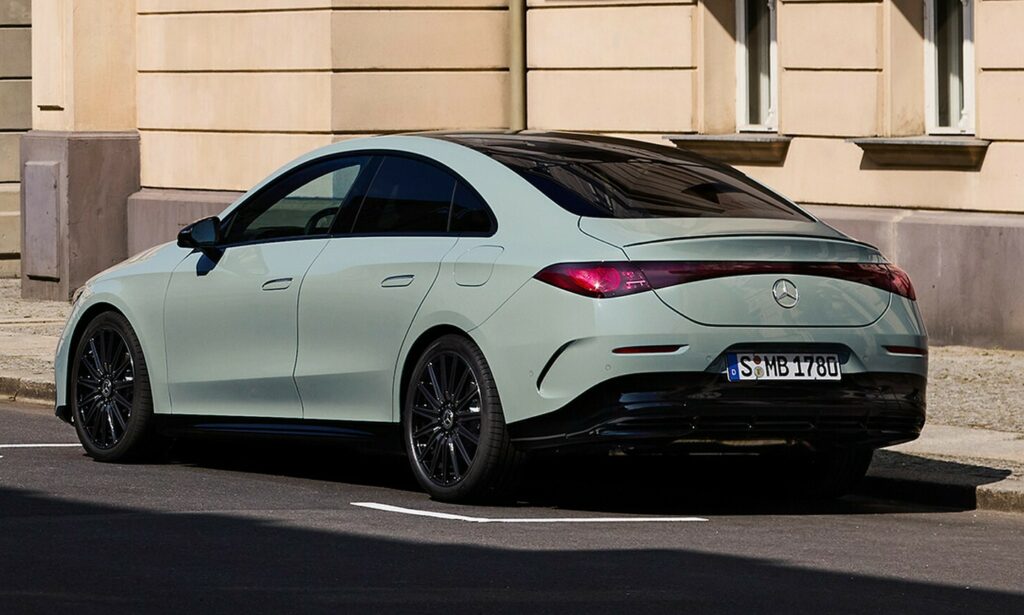

The return of state support has clearly become a key catalyst for the market, showing how sensitive buyers are to financial incentives in the electric vehicle sector. The speed with which the market responded to the new subsidies indicates that the main barrier to mass adoption of electric transport is often not technology or infrastructure, but economic feasibility for the end consumer. The success of brands like BYD and Tesla, which have shown growth of hundreds of percent, also indicates a shift in preferences and growing trust in electric models across different price ranges. These trends could have far-reaching consequences not only for the German but for the entire European auto industry, forcing traditional manufacturers to accelerate their electrification.