



IIHS Study: Waymo Robotaxis Safer Than Human Drivers
Is a Waymo driverless taxi safer than a regular driver? According to a new study by the Insurance Institute for Highway Safety (IIHS), it is quite possible, although the researchers themselves acknowledge limitations when comparing crashes involving autonomous vehicles and conventional cars.
Methodology and Data Scope
IIHS specialists analyzed 50 million miles of Waymo trips from 2021 to 2024 in San Francisco, Los Angeles, Phoenix, and Austin. These data were compared with 222 billion miles driven by human drivers in the same cities over the same period.
Results by City
According to the data obtained, on average Waymo robotaxis had a 68% lower crash rate, 85% fewer single-vehicle crashes, and 81% fewer injury crashes compared to human drivers.
The figures varied by city. In Los Angeles, the Waymo crash rate was 71% lower; in Phoenix, 76% lower; in San Francisco, 35% lower; and in Austin, it was 4% higher, which is partly explained by the small sample size.
In total, 736 crashes involving Waymo autonomous vehicles occurred during the analyzed period. However, the IIHS found that only 22% of them were likely subject to police reporting, and only 64 occurred while the vehicle was in autonomous mode. Additionally, 31 incidents happened when there were no passengers inside the Waymo, and 25 resulted in property damage only.
Comparing Waymo with Humans: Data Limitations
The authors acknowledge that it is difficult to precisely compare crash statistics for Waymo and human-driven vehicles. In particular, it is hard to determine the exact number of crashes involving human drivers in these four cities, since according to IIHS, about half of all crashes and a third of injuries are never reported to police.
Despite this, the IIHS concluded that the study “provides additional evidence that Waymo L4 autonomous vehicles have lower crash rates than human drivers in comparable operating areas and are involved in less severe crash types.”
However, lead study author Eric Teoh noted:
“The current data collection system is not sophisticated enough to allow continuous monitoring of large-scale expansion.”
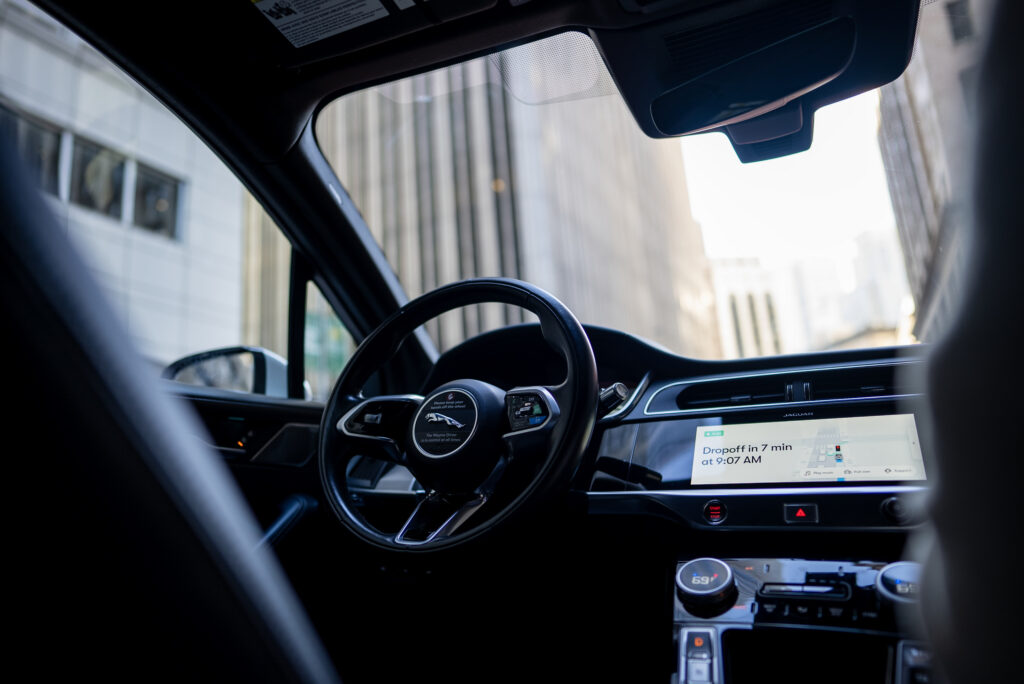


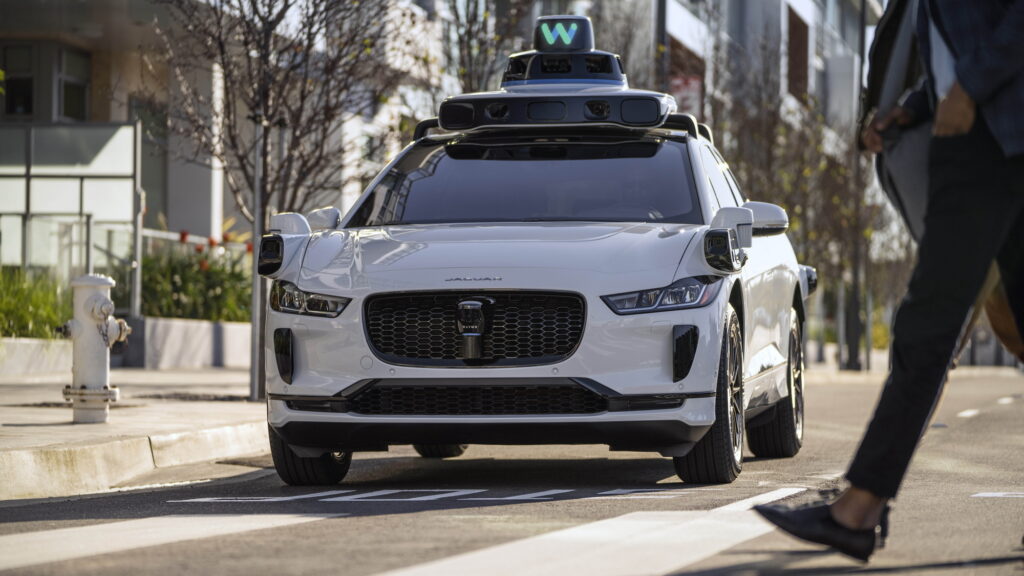

Although the figures cited favor autonomous taxis, the researchers remind of systemic limitations: the lack of complete crash statistics involving humans complicates final conclusions. Further deployment of robotaxis in new cities will require improved monitoring and data collection to ensure safety in real-world conditions. At the same time, the results confirm the potential of autonomous technologies to reduce accident rates, especially in large metropolitan areas with complex traffic.