


A Landmark Victory for New Automakers
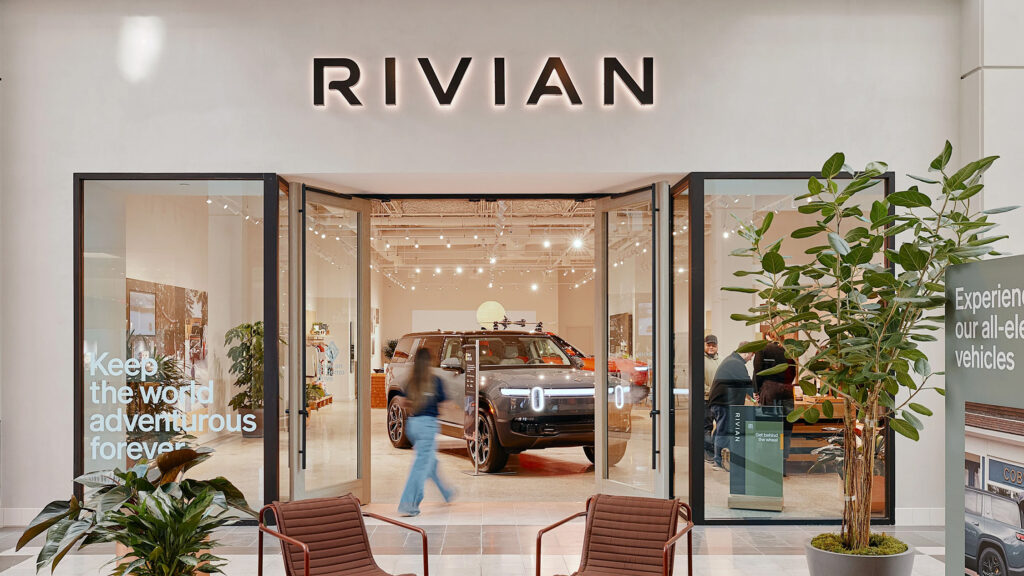
This week, Rivian achieved more than just a victory in Washington by securing the right to sell vehicles directly to consumers. This could mark the beginning of large-scale changes that, over decades, would significantly weaken the influence and profitability of dealer groups across America.
After years of being blocked by dealer laws in Washington state, the electric vehicle startup applied sufficient pressure, and the opposition simply disappeared. The turning point was Rivian’s threat to take the issue to a voter ballot, which could have cost the company up to $30 million. Faced with an expensive election campaign, dealer groups backed down and supported the passage of a narrow law allowing only Rivian and Lucid, but no other brands, to sell directly.
“The writing was on the wall,” lawmaker Andrew Barkis told The Wall Street Journal. Once the resistance died down, the bill was easily passed.
The Long-Running Battle Over the Sales Model
This is a crucial moment in the long-standing confrontation over how Americans buy cars. For decades, laws in most states have forced automakers to sell through independent dealers. This system is not going to give up without a fight, but Rivian just proved it can be broken. Tesla already uses a similar practice, and Volkswagen is also attempting to do so with its new Scout brand.
Support from Buyers
The reason is simple. Buyers do not like dealerships as much as the system assumes. In fact, a Rivian survey showed that nearly 70 percent of people support direct sales, just as they enjoy buying sneakers at a Nike store or a new iPhone at an official Apple store.
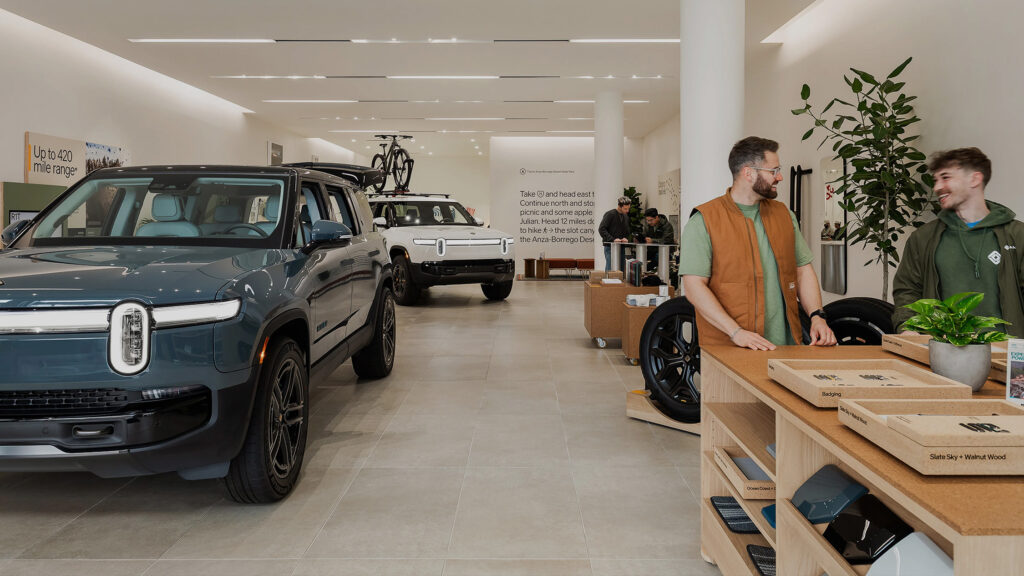

Rivian CEO RJ Scaringe says direct sales mean greater control, better profitability, and a cleaner experience for the customer. But not everyone is thrilled. Traditional automakers and dealer groups argue that this creates an uneven playing field. They say franchise networks maintain competitive prices and provide important services such as repairs and financing.
Limited Freedom and Future Prospects
“The franchise model continues to be the perfect system,” stated Vicki Giles Fabré of the Washington State Auto Dealers Association in a comment to the WSJ.
Nevertheless, even dealers seem to realize that the situation is changing. The compromise in Washington is very limited and applies only to Rivian and Lucid, but it opens the door for change.
Rivian is now exploring other states where it can engage voters in the fight. States like Ohio and Oklahoma could be next. If this strategy continues to work, the patchwork of sales legislation may begin to unravel.
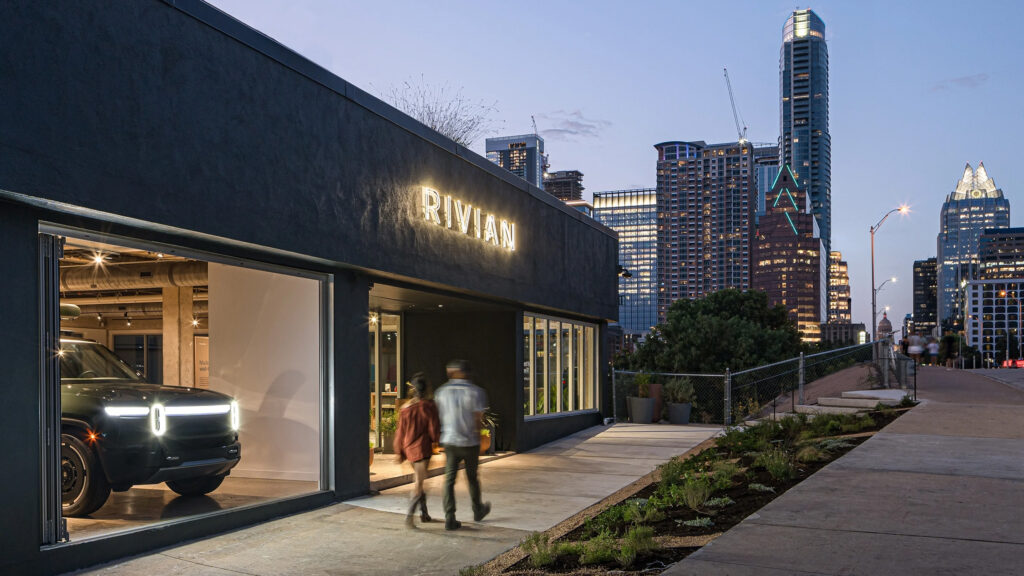
This victory points to a deeper trend in the automotive industry, where digital technology and changing consumer expectations are gradually redefining traditional supply chains. Rivian’s success could become a catalyst for other new brands seeking to control the entire customer interaction cycle, from the configurator to delivery. The question is how quickly traditional players will be able to adapt to this new reality, where intermediaries are no longer an indispensable link. Perhaps in the near future, we will see hybrid models that combine elements of direct sales with limited dealer partnerships for servicing.