


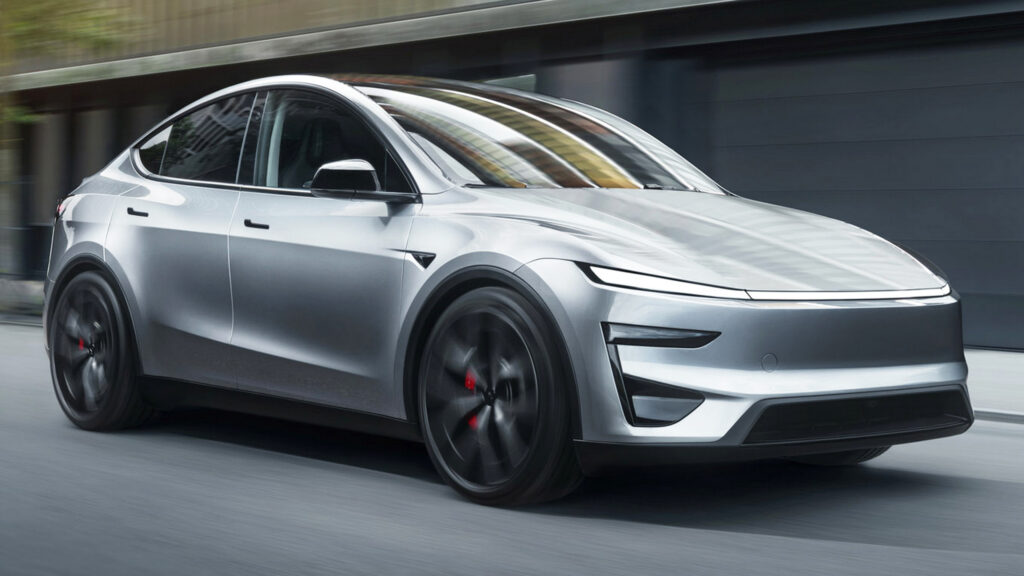
Tesla remains the largest seller of electric vehicles in the United States, and despite all the efforts of competitors, its market advantage is barely shrinking.
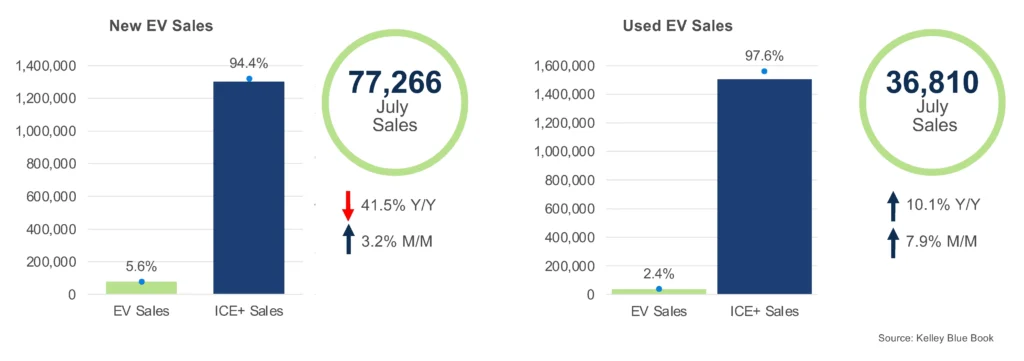
In July, 77,266 new electric vehicles were sold, up 3.2% from June but down 41.5% compared to the same period last year. Electric models made up 5.6% of all new car sales. The year-over-year decline has a simple explanation: in July 2025, the federal EV tax credit was still in effect, and buyers rushed to take advantage of it before the Trump administration eliminated the incentive in September.
Tesla dominates the market
Of the total EVs sold in July, 42,435 were Teslas, accounting for 55% of the market. The company’s sales volume rose 4.9% compared to June. As always, the main role was played by the Model Y, which accounted for 37% of all new EVs in the country. In fact, this model sold more than all electric models from any other automaker combined.

Tesla’s share for the entire second quarter was slightly lower at 50.5%. During that period, the company sold 124,800 EVs in the U.S., down 13.1% from 143,535 a year earlier. Among other brands, Chevrolet had the largest EV market share at 6%. It was followed by Hyundai (5.8%), Cadillac (4.9%), Toyota (4.8%) and Rivian (4.6%). Ford’s share remains disappointing at just 3.9%, although its July sales rose 18.9% compared to June.
Competitors try to catch up
Hyundai posted the strongest monthly growth among major brands in July at 36%. Kia also improved its position, largely thanks to the popularity of the EV9 model.

Inventories and supply
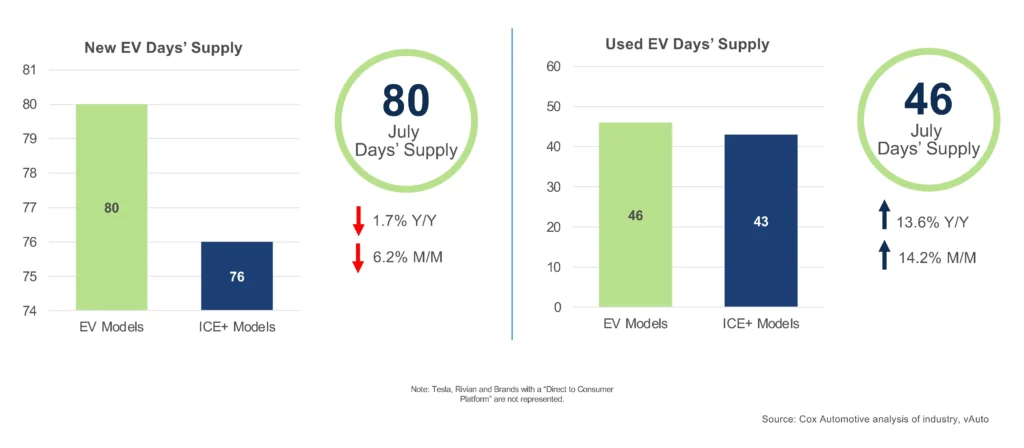
With sales volumes rising in July, the average inventory of new EVs fell 6.2% month over month to 80 days. That is 1.7% lower than a year ago. EV inventories are now only four days higher than inventories of internal combustion engine vehicles, compared with a nine-day gap in June. The largest inventories were at Volkswagen at 147 days, followed by Porsche (138) and Nissan (133). The fastest-selling EVs were Subaru (46 days), Hyundai (52) and Lexus (58).
Used EVs showed the opposite trend: their inventory rose 14.2% compared to June and reached 46 days. This is the first time since February 2026 that EV inventory on the secondary market has exceeded gasoline vehicle inventory. Used EV sales in July rose 7.9% month over month to 36,810 units, up 10.1% year over year. They accounted for 2.4% of the market.
Prices and incentives
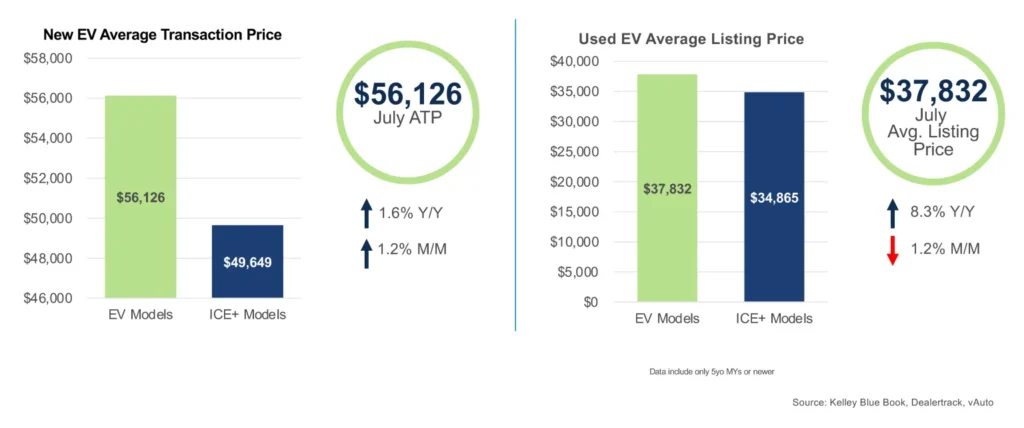
EVs remain a more expensive choice in both the new and used markets. The average transaction price of new EVs in July rose 1.2% to $56,126, while the average price of a gasoline-powered car was $49,649. Compared with last year, EVs became 1.6% more expensive. Meanwhile, buyer incentives declined: in June they were 13.1% of the average price (about $7,290 per vehicle), and in July they fell to 11.8% (about $6,626).
Used EVs cost an average of $37,832 versus $34,865 for gasoline cars. Their prices fell 1.2% compared to June but remain 8.3% higher than last year.

Overall, the elimination of the federal tax credit has significantly affected the EV market, causing a year-over-year sales decline. However, Tesla continues to confidently hold its lead, and the Model Y remains the bestseller. Meanwhile, manufacturers such as Hyundai and Chevrolet are gradually increasing their volumes, so competition may become more noticeable in the coming quarters. Rising prices and shrinking incentives are likely to pressure demand, especially in the budget segment. At the same time, improvements in charging infrastructure and the arrival of new affordable models could give the market fresh momentum to resume growth.