


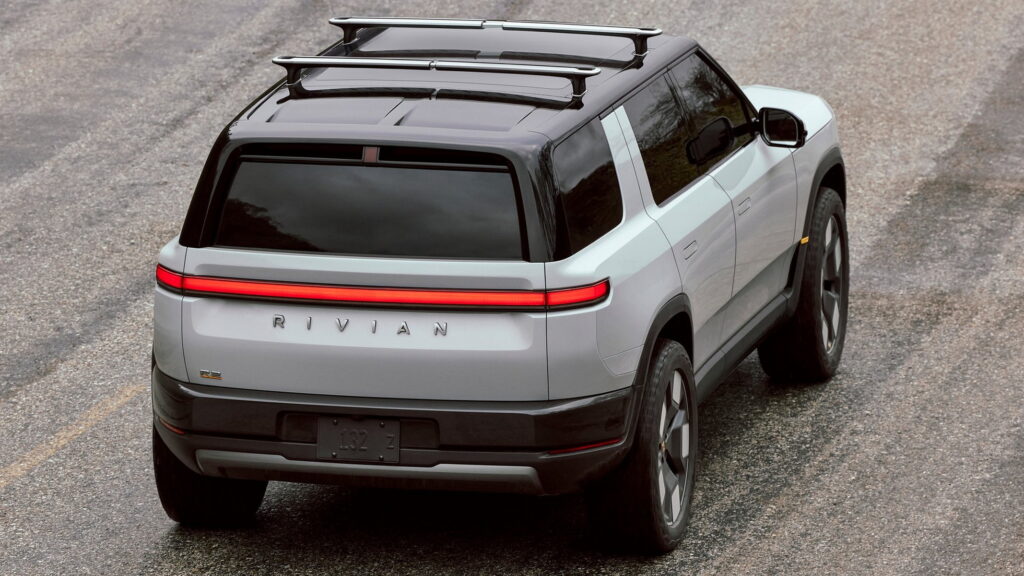
Layoffs at Rivian: cuts after the R2 launch
Rivian, a company that spent years perfecting production, development, and customer service, announced the layoff of hundreds of employees. This happened just a few days after the launch of its most important product — the R2 electric vehicle. All these steps have a single goal: achieving profitability.
According to The Wall Street Journal, Rivian laid off hundreds of employees on Tuesday. A company representative noted that the cuts represent less than 2% of the total workforce, which numbered approximately 15,200 people at the end of 2025. The layoffs primarily affected the service and customer divisions, including sales and marketing departments.
Read also: The Rivian R2 configurator is already live, and the spare wheel costs $755
Such a move may seem unexpected given the brand’s efforts to expand its service network. However, the timing and selection of positions affected by the cuts are key. The hype around the R2 launch is real, despite the expensive leasing offers. According to CBT News, about half of buyers choose to lease the R2 rather than purchase it.
Regardless of cost, buyers eager to get the car as quickly as possible will still come, even if some sales and marketing staff are no longer working. Those affected by the layoffs are offered the opportunity to apply for other open positions within the company. Meanwhile, this move allows Rivian to save money and move closer to long-term profitability.
Why profitability remains a challenge
This is important because Rivian’s premium-focused strategy failed to generate sufficient sales volume to cover costs. Last year, the company generated revenue of approximately $5.4 billion, selling about 42,000 vehicles, but it has yet to show an annual profit since its founding in 2009. The R2 is the brand’s best chance to change this situation.
For now, Rivian appears to be applying a familiar Silicon Valley approach: cutting costs today to preserve the cash needed for tomorrow. Whether the R2 will be the breakthrough product that finally justifies this strategy remains the key question hanging over the entire company.
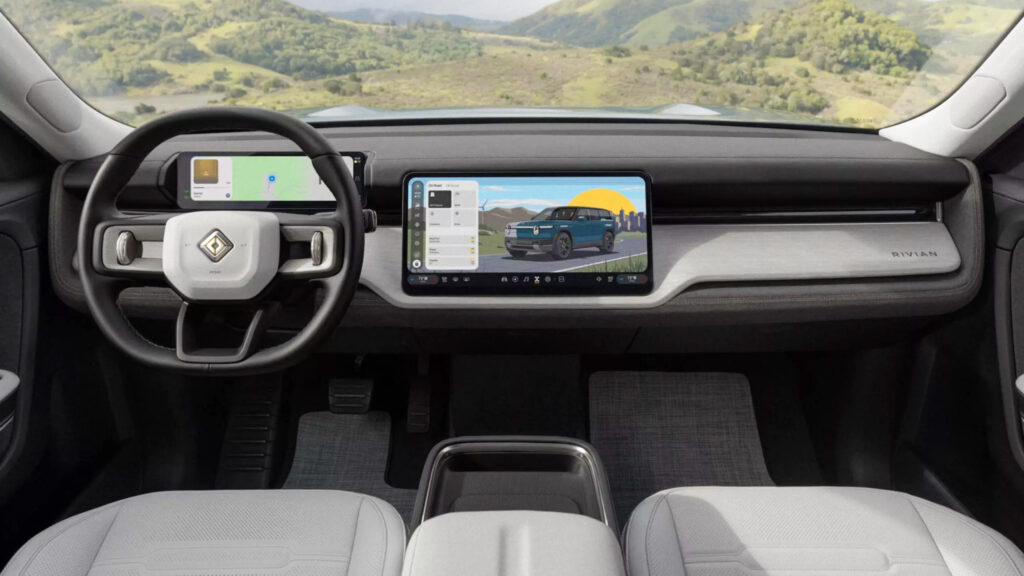

The layoffs at Rivian following the R2 launch demonstrate the harsh reality of the electric vehicle market, where even promising startups must balance innovation with financial stability. The personnel cuts in the service and marketing departments, although seemingly contradictory against the backdrop of network expansion, are part of a cost optimization strategy. The success of the R2, which is intended to be a more mass-market and affordable model, is now critically important for the company’s survival. If demand for the new model meets expectations, these temporary measures may pay off; if not, Rivian could face even more serious challenges.