
 by
by Lawsuit Against Ford Over Dangerous Hybrid Battery Malfunction
A new lawsuit has been filed in Arizona against Ford Motor Company and several of its dealers, once again drawing attention to safety concerns regarding mass-market hybrid vehicles. The case involves allegations of design flaws and inadequate safety systems that created a potentially lethal threat to drivers.
This lawsuit has reignited the debate about the responsibility of automakers and dealers when vehicle systems fail with fatal consequences.
The Lethal Chemical
At the heart of the case is hydrogen sulfide poisoning, a toxic gas capable of killing within seconds at sufficient concentration. According to the Alabama Department of Forensic Sciences, this was the cause of death for 60-year-old Abimael Feliciano, who was driving on Montgomery Highway in the city of Dothan. On August 8, 2023, he pulled up to a traffic light but never drove away. His family believes Ford and several dealerships in the state are to blame.

How Could This Happen?
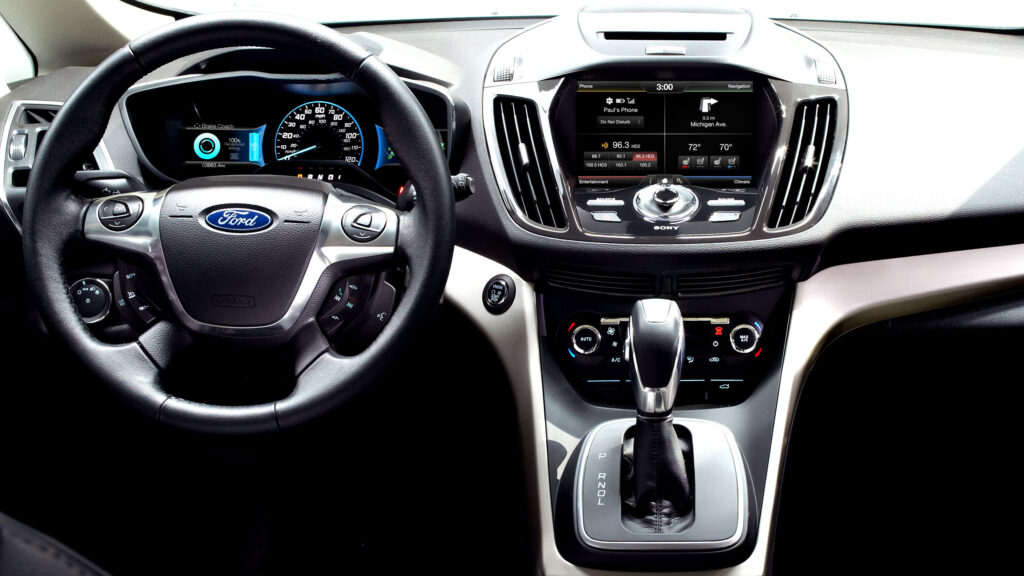
According to WTVY, an inspection of Feliciano’s vehicle revealed that a ventilation tube leading from the rear-mounted battery was improperly connected. The lawsuit claims that Ford not only poorly designed the hybrid system but also failed to install basic detection or warning systems that could have alerted the driver to the danger in advance.
The plaintiffs’ core issue is that the Ford C-Max Hybrid is a mass-market model. Theoretically, there should be no scenario where it can fill its cabin with lethal gas. Arizona dealerships Bill Luke Tempe, Camelback Ford Lincoln, and Sanderson Ford are also named in the lawsuit. They are accused of failing to conduct proper inspection, maintenance, or repair of the vehicle during previous service visits.

This is not just about the loss of one family – it’s a matter of accountability of automakers and dealers to every driver and passenger on the road. We are determined to hold these companies accountable and to push for changes that will prevent similar tragedies in the future.
The Feliciano family is demanding a jury trial, financial compensation, and to draw the entire industry’s attention to the issues of battery ventilation and toxic gas detection in similar vehicles.
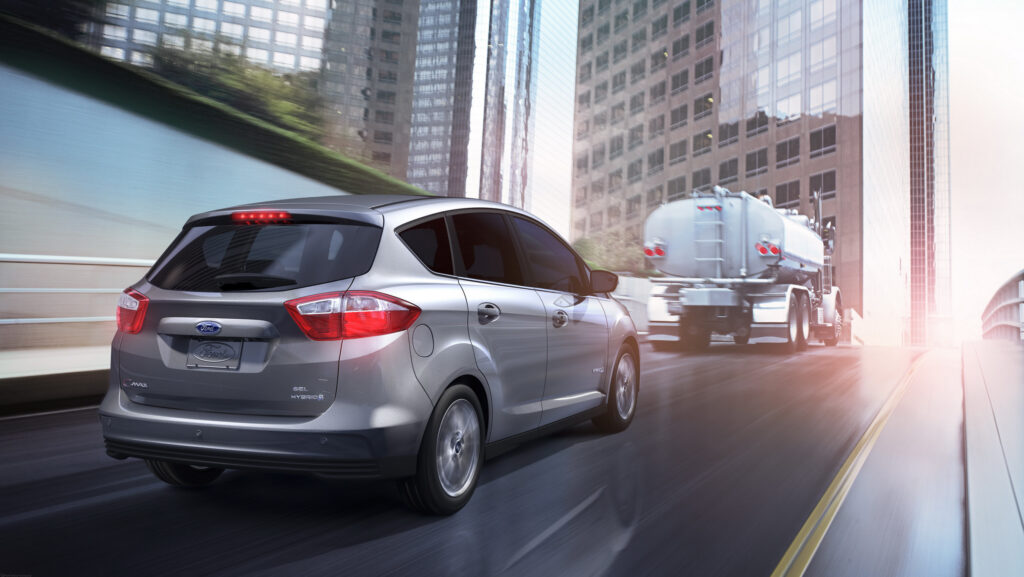
This case highlights a critically important aspect of the transition to electric and hybrid technologies – the safety of battery systems beyond the risk of fire. The hydrogen sulfide incident points to potentially non-obvious hazards that can arise from material degradation, manufacturing errors, or poor maintenance. While regulators and manufacturers are focused on ensuring battery resilience to thermal runaway, the Ford C-Max Hybrid case serves as a reminder that chemical safety and proper gas venting systems are no less crucial components of overall protection. This may lead to a review of standards not only for new models but also for the millions of hybrid vehicles already in operation worldwide, requiring clearer inspection and maintenance protocols for these systems throughout the vehicle’s entire lifecycle.