


Rolls-Royce Changes Electrification Plans
The British ultra-luxury car manufacturer Rolls-Royce is postponing its plan for a full transition to electric vehicles by 2030. Instead, the company will continue producing models with traditional petrol engines, including the iconic V12, until at least the beginning of the next decade. This decision is dictated by direct customer requests, as clients willing to spend hundreds of thousands of dollars on a car want to get exactly the technology they choose.
The Customer’s Voice is Law
Company CEO Chris Brownridge explained that demand for electric vehicles among Rolls-Royce buyers is far from unanimous. According to him, for every customer who adores an electric car, there is another who prefers a conventional engine. The V12 is seen not just as a technical unit, but as an important part of the brand’s history and experience, associated with effort, presence, and unsurpassed ride smoothness.
“We understand that some customers specifically prefer the V12 engine. The V12 is part of our history,” noted Chris Brownridge.
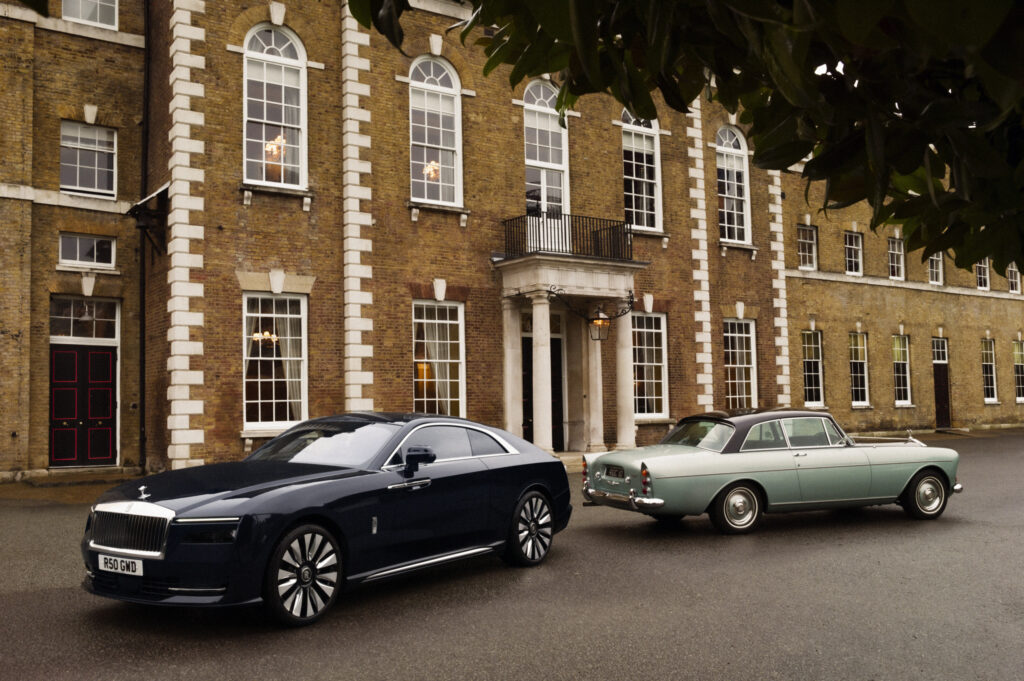
Interestingly, an electric powertrain, like the one in the Spectre coupe presented in 2022, with its silence and instant response, is theoretically perfect for the concept of an ultra-luxury car. However, for many clients, it is precisely the knowledge that a powerful 12-cylinder engine is under the hood that is important, even if in practice its operation is almost inaudible inside the cabin.
Influence of External Factors
The change in strategy was influenced not only by customer preferences. The softening of government targets for electric vehicles in key markets such as Europe and the UK has given the manufacturer more freedom to maneuver. Since Rolls-Royce is a low-volume manufacturer, it is not bound by the same strict regulations as mass-market brands. This flexibility allows the company to build cars to order, precisely responding to market demands, rather than chasing abstract production plans.
A Trend Among Luxury Brands
Rolls-Royce is not the only one adjusting its electric ambitions. Similar steps to soften timelines for a full transition to electricity are being taken by other players in the premium segment, such as Bentley, Aston Martin, and Lamborghini. This indicates that the ultra-expensive car market is evolving according to its own laws, where the emotional component and traditions often outweigh technological trends relevant to the mass segment.
This situation clearly demonstrates how the luxury goods market can differ from the mass market. While global car brands are trying to scale up electric vehicle production, for niche players like Rolls-Royce, the priority remains not the technology itself, but the unconditional fulfillment of the customer’s wishes. Ultimately, this very principle lies at the heart of the brand’s philosophy, which sells not just vehicles, but unique artifacts created at the intersection of art and engineering. The company’s future, it seems, will be determined not by the calendar, but by what its demanding buyers consider true luxury — the silent power of electricity or the unmatched culture of a six-liter V12.