


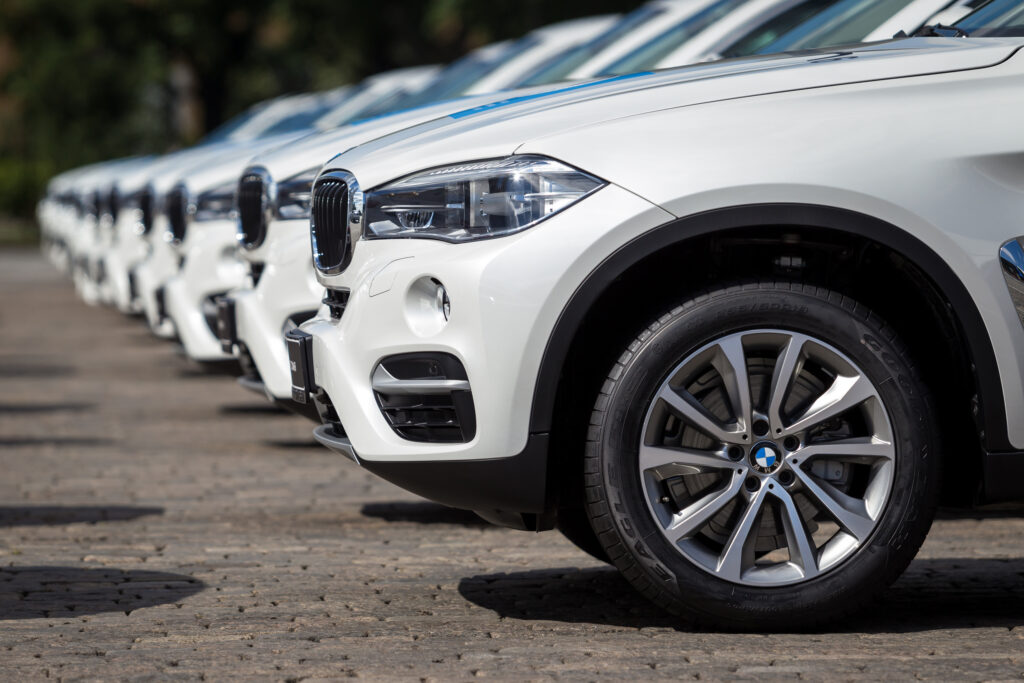
Russia sells “pirate” BMWs assembled from leftover parts
After the start of Russia’s full-scale invasion of Ukraine in 2022, the region’s automotive industry underwent drastic changes. BMW became one of many brands that ceased production and sales in Russia. This left workers at the Avtotor plant in Kaliningrad, where BMWs were previously manufactured, with a large number of parts and uncertainty about their further use. As it turned out, some of them decided to still assemble cars from these leftovers. Last year they sold 145 such cars, and that is not the strangest part of this story about “pirate” BMWs.
Sales figures and origin of parts
These sales data were obtained from materials of the Russian newspaper Kommersant, which reports that BMW sales in Russia in 2025 almost tripled compared to the previous year. In other words, demand and sales are growing despite the lack of new spare parts supplies. The cars coming off the assembly line are a real mixture of different components.
According to an RFE/RL report, unauthorized vehicles first appeared in March 2025. They were assembled from components left over after BMW ended its long-term cooperation with Avtotor following the start of the invasion.
Mixture of old parts
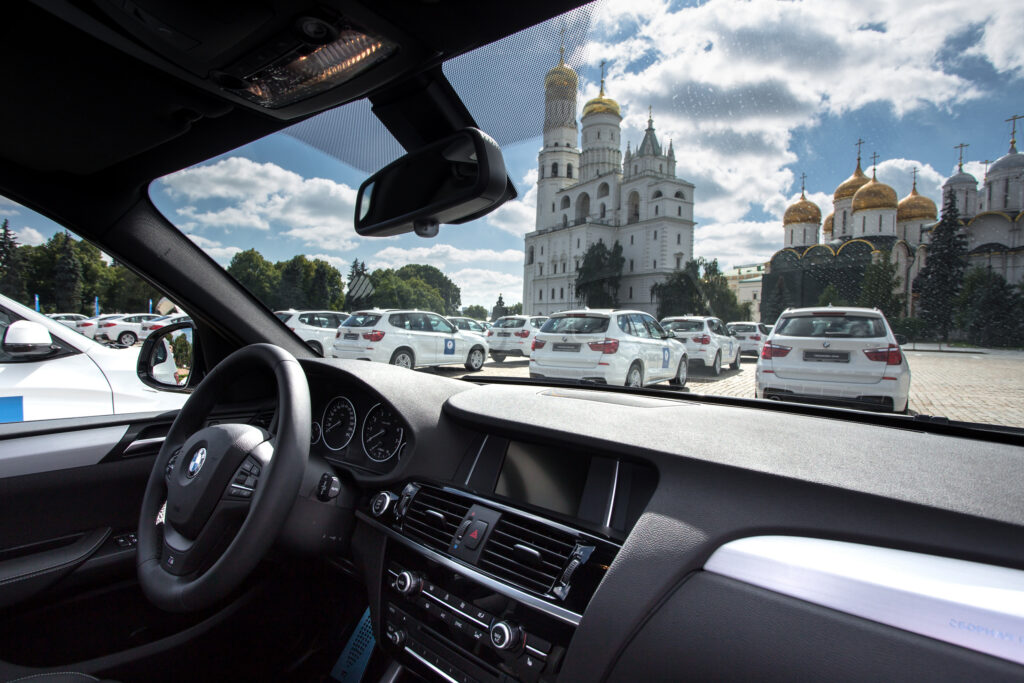
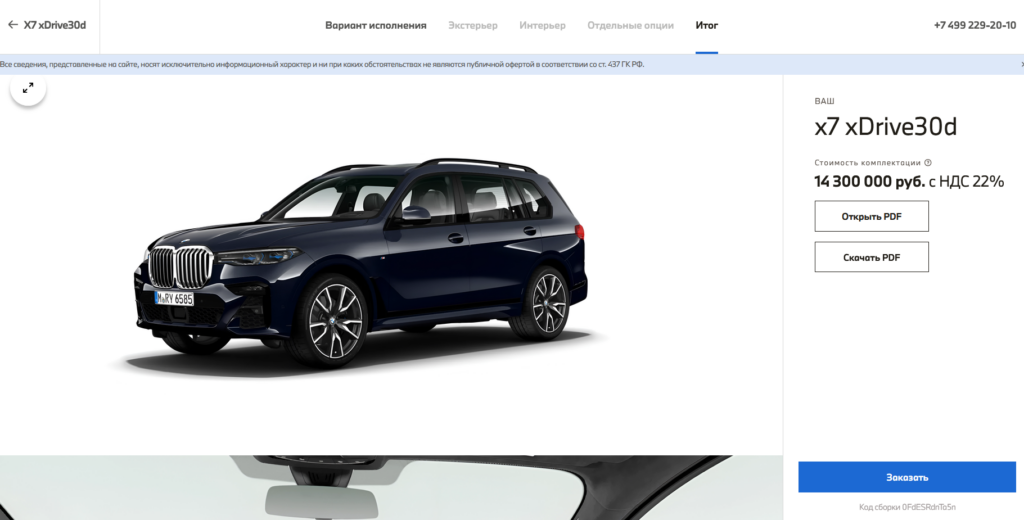
The SUVs being assembled include the X5, X6, and X7 models. Interestingly, they retain the styling of the pre-facelift 2022 models, although they are registered as 2025 and 2026 cars. Reports from Russia indicate that some local components, such as wiring harnesses, hoses, rubber parts, and painted body panels, are beginning to be included in the assembly process as original stocks are depleted.
BMW’s position and lack of warranties
BMW has publicly distanced itself from this situation. The company stated that Avtotor “began producing limited batches of BMW cars in 2025, assembling vehicles from old, partially outdated kits that remained at its disposal after the termination of cooperation in 2022,” adding that unauthorized production continues “irregularly to the present day.”

Caroline Bachmann, a spokesperson for the BMW Group, told RFE/RL that “to address and mitigate the risks associated with the purchase and use of these unauthorized vehicles, we have informed all interested parties, including government agencies, dealers, and potential customers, and clarified the circumstances.” This is quite understandable, given that BMW itself has no idea about the quality or safety of these cars.
Christopher Ludwig, an automotive industry analyst and head of Automotive Logistics, noted that the lack of BMW engineering oversight raises obvious questions about quality. He also pointed out that modern BMW software and electronic control systems are likely to be frozen, reprogrammed, or completely replaced as they are no longer connected to official BMW systems.
Buyers are still lining up
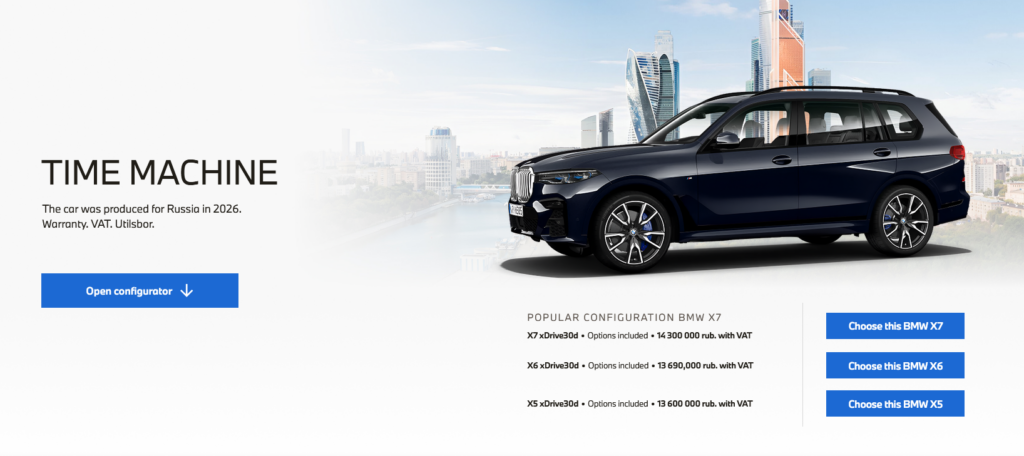

Perhaps the most astonishing thing is how much people are paying for these “pirate” cars. According to reports and data from some websites, prices for base versions start from 11.9 to 12.9 million rubles (about $154,000 and $167,000 at the current exchange rate). A website supporting the marketing and sales of these cars lists a starting price of 13.6 million rubles, or approximately $172,150. That is, we are talking about money comparable to the cost of a Range Rover SV for a base BMW SUV.
Despite this, demand appears to be high. Russian market data indicates a significant increase in BMW sales in 2025, with many buyers apparently willing to accept the risks in exchange for a lower price compared to imported “gray” cars. As we noted in May, some wealthy buyers in the country are willing to pay over $700,000 for rare “gray” cars such as the Toyota Crown SUV.
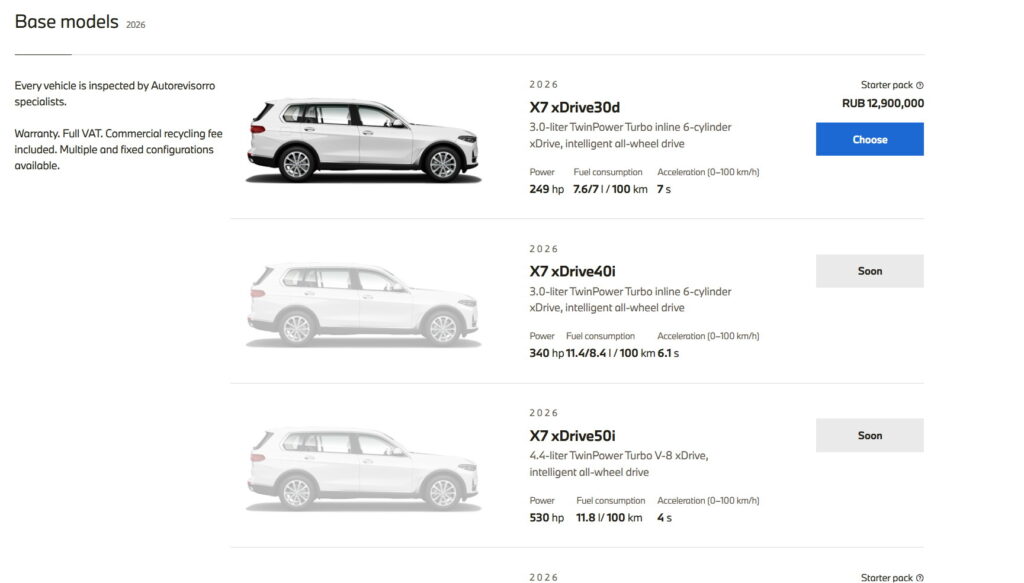

Even considering this, these locally assembled SUVs are tens of thousands of dollars or millions of rubles cheaper than similar “gray” imported models. Sellers have even presented the disabled software as an advantage, claiming that the cars cannot be remotely locked through official BMW systems.
The future of “pirate” BMWs
Of course, sooner or later the spare parts that BMW left in Russia will run out. But this may not happen for several years. One logistics expert suggested in an interview with RFE/RL that “if the plant produced 1,000 cars per month before [the war], and now produces only 50, then even a three-month stock accumulated before 2022 will last five years.”
One thing is for sure. If in a few years an offer appears in your region to sell a 2025 or 2026 BMW with a suspiciously low price and the appearance of a 2022 model… maybe it’s worth skipping it.

This situation demonstrates how sanctions and the severance of economic ties can lead to unexpected consequences in the market. Demand for premium cars in Russia remains high despite the restrictions, creating a niche for such “makeshift” products. The lack of official support and warranties does not scare buyers, who are willing to take risks for a status car at a relatively affordable price. At the same time, this underscores the risks for those who buy such cars: problems with safety, quality, software, and further maintenance can become a serious challenge.