 by
by Unexpected Accident Due to Water
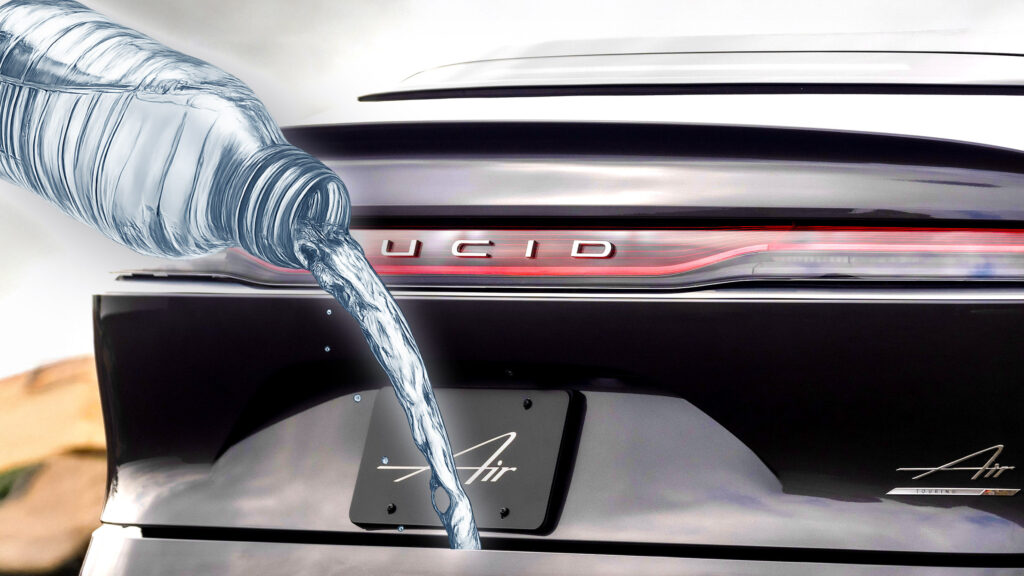
Doctors and influencers often advise drinking plenty of water for health, but modern electric vehicles seem to be an exception to this rule. For them, even a small amount of water can result in colossal financial expenses.
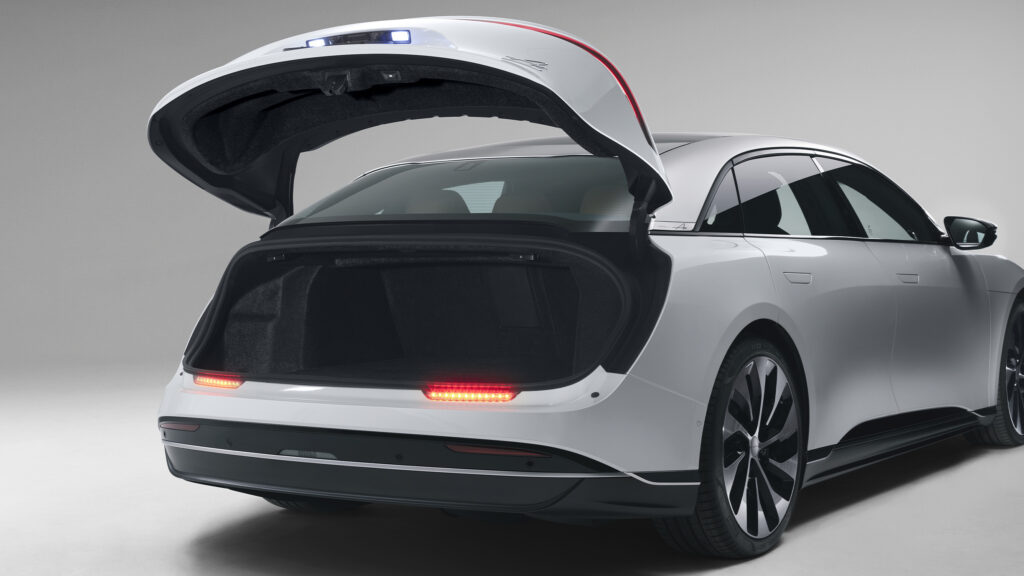
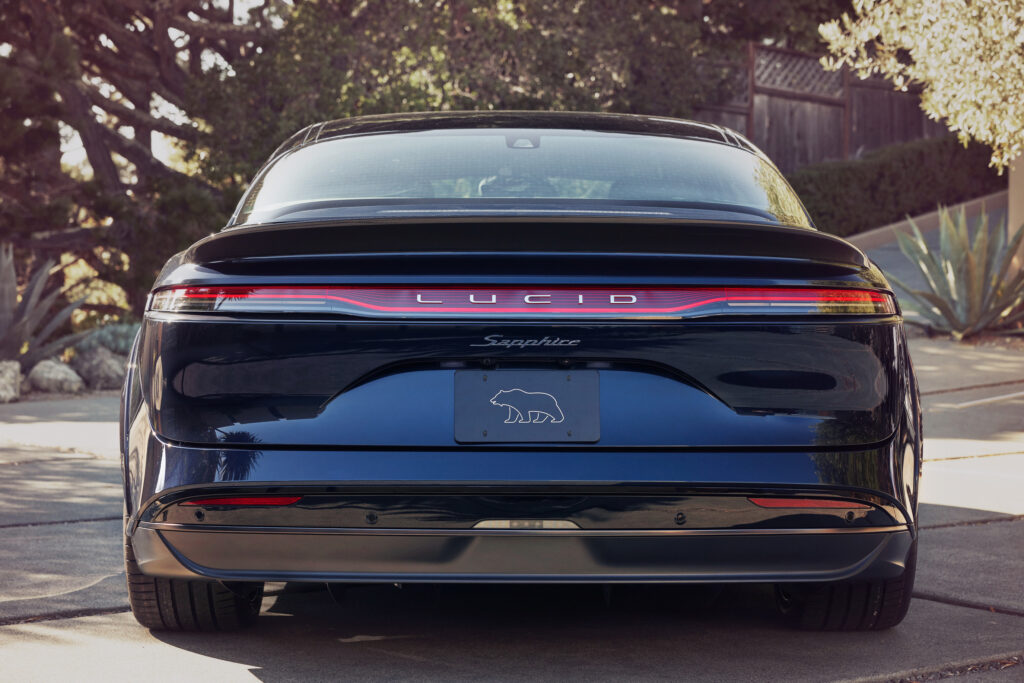
This was learned from personal experience by one of the owners of a Lucid Air electric car, whose Thanksgiving holiday turned into an expensive lesson costing $15,000. The reason – spilled water in the trunk.
How Events Unfolded
It all started with a routine trip to the store to fill a water container. On the way back, the car hit a pothole, causing the container to tip over. The consequences were immediate and catastrophic.
The instrument panel lit up with warning indicators, the car went into emergency mode, regenerative braking was disabled, and the system demanded an immediate stop. When the driver found a place to park and tried to reboot the system, it turned out that the car was locked and would not come out of park mode.
The Road to the Service Center and the Shocking Repair Cost
Lucid’s support service advised the client to contact their insurance company and prepare for the possibility that the car might be declared a total loss. Towing the car also proved difficult: the first tow truck couldn’t take it because it was impossible to put the car in neutral. Only the next day did that become possible.
At the service center, they initially gave an optimistic estimate – the repair would cost less than a thousand dollars. However, the true amount later caused shock: around $15,000. A company representative explained that the warranty does not cover this case, as spilling water is the driver’s fault.
A Similar Story with a Hyundai Ioniq 5
This case is not unique. A month earlier, a similar story happened with a Hyundai Ioniq 5 electric car. A small amount of water spilled on the floor of the rear seat row damaged the car’s wiring. The repair cost nearly $12,000, and neither the manufacturer nor the insurance company agreed to cover it.
The owner of the Lucid Air, at the time of the story’s publication, was also awaiting a decision from his insurance company, which might not be in his favor.
Conclusions and Context
These stories point to a potential vulnerability of modern electric vehicles to moisture, especially when it comes to electronic components located in unexpected places like the trunk compartment or the space under the seats. For owners, this means the need for extreme caution when transporting any liquids. Manufacturers, in turn, might need to reconsider the protection of critical systems or more clearly inform customers about such risks. The financial consequences of such minor incidents can be completely disproportionate to the cause, raising questions about the availability and logic of insurance coverage for such new technologies.