


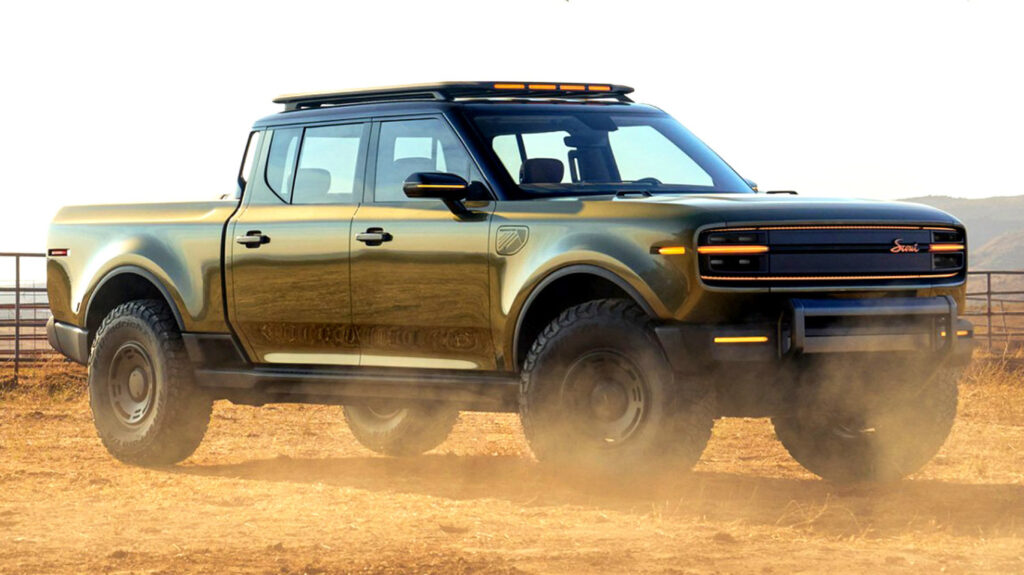
According to a new report, production of the eagerly awaited Scout Motors electric SUVs may be delayed. Here are the key points:
Official Plans and New Forecasts
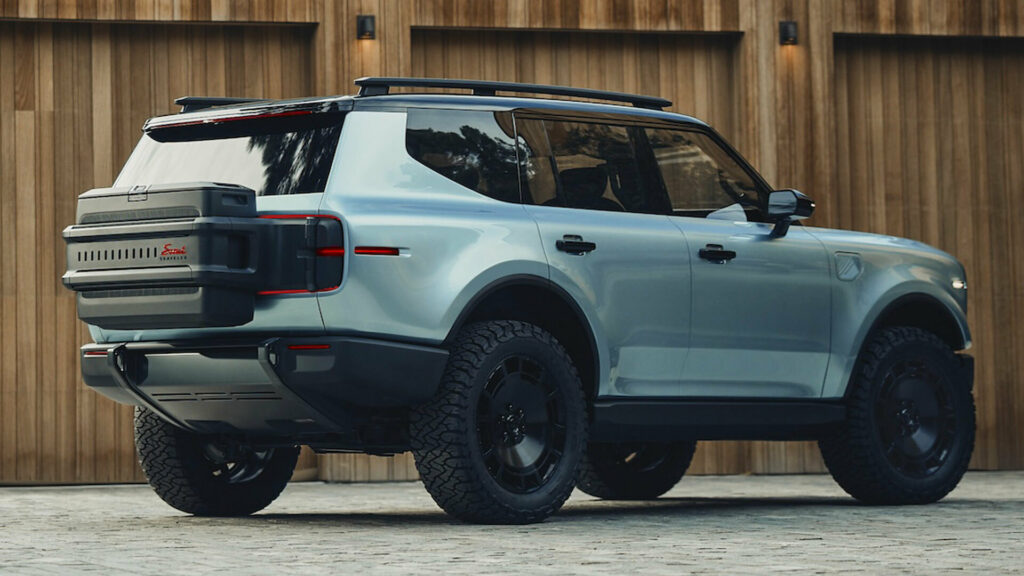
In 2024, Scout unveiled its future models—the Terra pickup and Traveler SUV—which immediately generated significant interest. Officially, the start of production was planned for 2027, and the company still confirms these timelines. However, a new report from AutoForecast Solutions (AFS) points to possible significant shifts, with the pickup potentially appearing only by the end of the decade.
According to AFS, the start of Scout Traveler production has shifted from March to September 2028, and the launch of the Terra pickup has been postponed until March 2030. This is almost two years later than Scout’s initial announcements.


Source of Information and Reasons for Delays
AutoForecast Solutions is not a source of random rumors. It is one of the most well-known forecasting firms in the automotive industry, providing manufacturers, suppliers, and investors with detailed information on production timelines, plant schedules, and volumes. Its reports are based on supplier plans, internal production data, and contacts within manufacturers.
In its latest weekly report, AFS indicates the start of production date for the Scout Traveler at the new Volkswagen plant in Blythewood, South Carolina, as September 1, 2028. For the Terra pickup, the date given is March 1, 2030.
These adjusted dates align with comments from Scout CEO Scott Keogh, who stated in March that the company would launch the Traveler model first and acknowledged that most buyers prefer an extended-range hybrid version (Harvester) over a fully electric model. This is likely what is slowing down the process.

Development Challenges and Market Changes
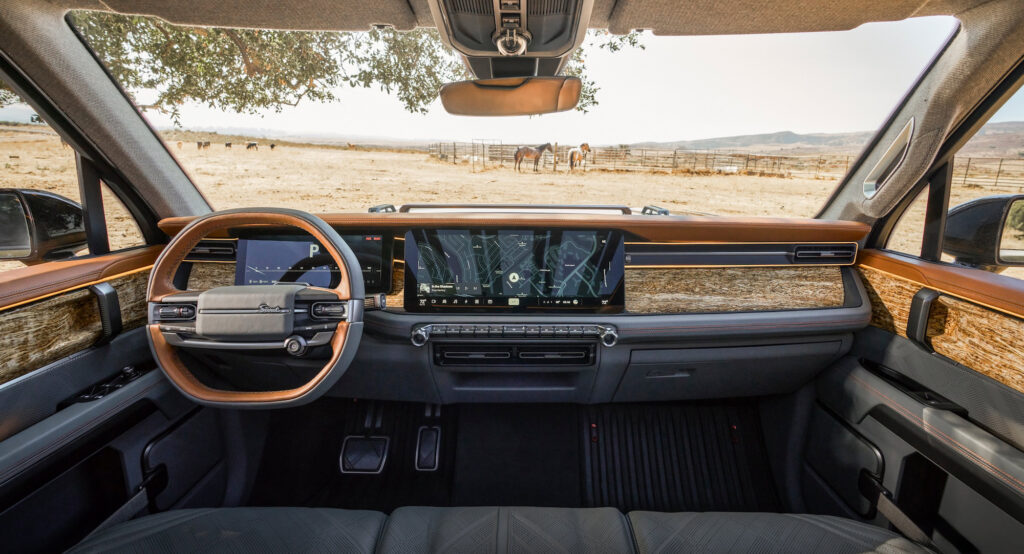
According to Sam Fiorani, Vice President of Global Vehicle Forecasting at AFS, Scout is expected to begin production with hybrid versions, launching fully electric models later. Fiorani notes that such a change required significant redesign work, which explains the recent delays.
“Changes and delays in vehicle production from EV startups in the past have largely been related to unforeseen development delays and inadequate estimates of the duration of each stage. Every new automaker thinks they have outsmarted an industry that has been refining engineering for nearly 120 years, and they usually found they missed a step or simply didn’t plan enough time. Scout doesn’t have those same issues because they have Volkswagen’s experience to anticipate typical pitfalls.”
Fiorani emphasizes that the real problem for Scout is timing.
“Unfortunately for Scout, the automaker decided to enter the market just as the electric vehicle market changed. Over the past year, incentives for producing and selling EVs have shifted, and Scout is trying to adapt to a new market. Slow sales of electric pickups show that the EV market is not as robust as GM, Ford, Tesla, and Stellantis thought, and Scout has time to adapt.”

Adaptation as the Key to Success
Fiorani notes that EV development is still far from perfect, and how a company responds to this reality separates those who will survive.
“Traditionally, vehicle development was a five-year cycle to create a new generation of the same model, including improvements in safety, emissions, performance, and profit. Electric vehicle development is still on the steep part of the learning curve, and everyone makes mistakes on the path to a profitable business. Better-prepared companies can pivot quickly and create a more relevant product.”
He cites examples: Stellantis was able to adapt its platforms for different types of powertrains, while Fisker faced problems due to insufficient funding. Rivian and Tesla developed excellent vehicles and found inexpensive plants to produce them.
“Scout needs to fund the development of an entirely new platform, build a new plant, and create its own distribution network. They have a massive project ahead, and pivoting to extended-range hybrid models positions the company much better than being a fully electric automaker in the second half of the 2020s. The landscape has changed.”

Official Position of Scout Motors
For its part, Scout Motors denies any schedule changes and claims that production is on track, although it does not specify whether the announced timelines apply to both models or just one.
“Scout Motors has not communicated with AutoForecast Solutions, and we have nothing to add regarding timelines beyond what we have already announced. As we have previously reported, the start of production is scheduled for 2027. We will begin producing first validation vehicles this year. This work will continue and extend into 2027. We expect customers to begin receiving new Scout vehicles in 2028.”
Technically, it is possible that both sides are right. Scout could shift production from March to a later date in 2028 and still manage to deliver vehicles to customers that same year. Terra production could also begin in 2030. It remains to be hoped that Scout will manage to exceed even its own estimates.
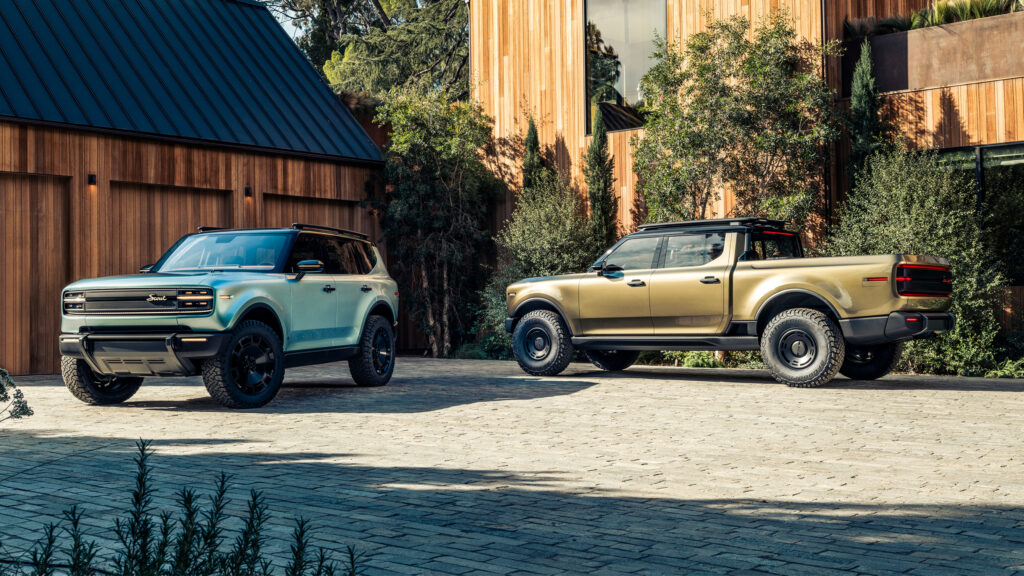

The Scout situation clearly illustrates the complex challenges faced by new players in the electric vehicle market, especially in the SUV and pickup segments. On one hand, there is an obvious need to respond to real buyer preferences, which have turned out to lean towards extended-range hybrid solutions, particularly for large vehicles. On the other hand, delays can cost the loss of initial interest and market share. The basis for optimism remains the support and experience of Volkswagen, which can provide the necessary resources and knowledge to overcome the “typical pitfalls” inherent to startups. Scout’s success will depend not only on the technical excellence of their vehicles but also on their ability to communicate effectively with the market and deliver on promises in a timely manner, despite changing conditions.