 by
by Potential Overheating Hazard in Bentley Bentayga Hybrid Batteries
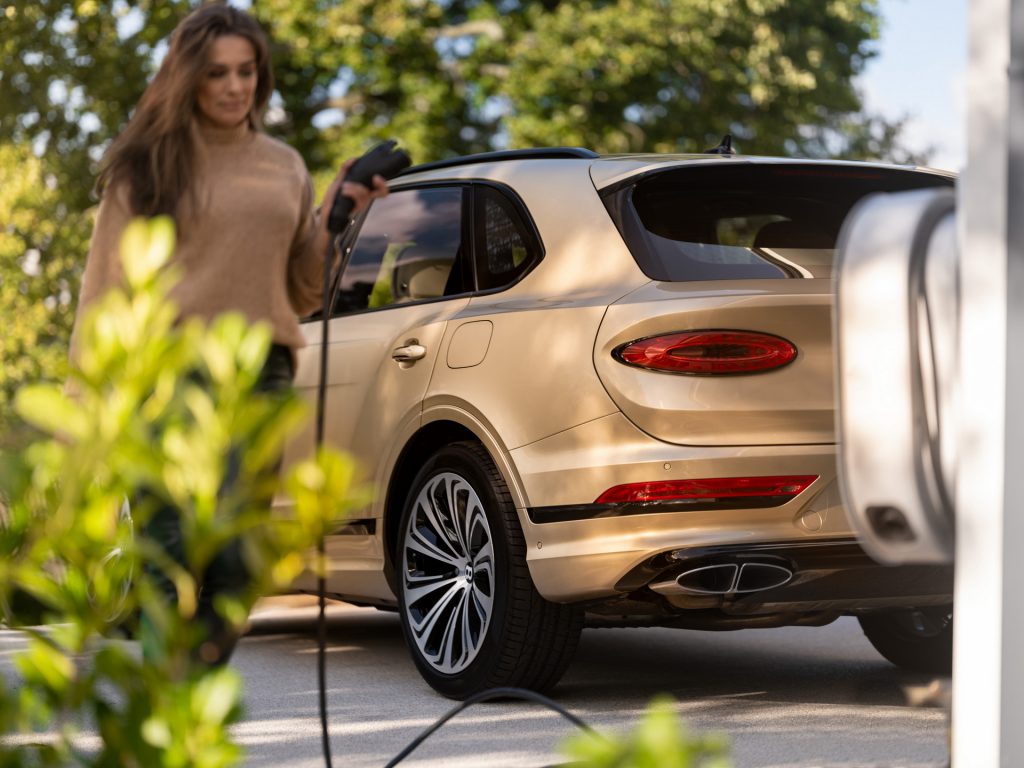
The luxurious Bentley Bentayga Hybrid SUV, priced over $200,000 in the USA, is expected to meet the highest reliability standards. However, as reported by the National Highway Traffic Safety Administration (NHTSA), some vehicles have been found to have a potential issue with their high-voltage battery packs, which could lead to overheating and even fire.
Source of the Problem and Manufacturer’s Response
The battery cell supplier, Samsung SDI, informed Bentley of a defect that could cause cell overheating during charging of the 18 kWh battery. Bentley confirms the existence of a plausible fire risk, despite no incidents of fire or personal injury having been reported to date. The manufacturer is taking appropriate measures.
According to the recall documentation, the overheating could be caused by two possible manufacturing issues: contamination by particles or damage to the separator inside the battery cells. Either of these defects could trigger a short circuit, which in turn increases the likelihood of thermal runaway.
Recall Scope and Action Plan
The recall concerns 130 units of the Bentley Bentayga Hybrid, manufactured between September 13 and 28, 2023. Fortunately for owners, the company does not expect to have to replace many batteries.
To identify battery packs that are at risk, Bentley will install new software on the battery management controller. This software will be able to detect conditions of self-discharge in the high-voltage battery and identify cells or modules that require replacement.
The company estimates that less than one percent of the recalled SUVs will actually require a new battery. It is expected that most vehicles will be “cleared” solely through the software screening process.
Preventive Measures and Event Context
Bentley learned of a similar high-voltage battery issue in another Volkswagen Group brand back in October 2023, but a recall was not initiated at that time because there were no reports of problems specifically with the Bentayga Hybrid. However, since then, additional battery-related malfunctions have been registered on other Volkswagen Group models, prompting Bentley’s Product Safety Committee to reconsider its previous position. The recall was initiated precisely as a preventive step aimed at preventing potential incidents before they occur.
This situation clearly demonstrates the complexity of the modern automotive supply chain, especially when it comes to high-tech components like batteries for hybrid vehicles. Even in the premium segment, where perfection is expected, manufacturers depend on the quality of components from specialized suppliers. Bentley’s and its supplier’s rapid response to a potential defect, even before any on-road incidents were recorded, is an example of a responsible approach to customer safety in the era of complex electromechanical systems. Proactive measures, such as software updates for diagnostics, are becoming a standard tool to minimize inconvenience for owners when resolving such issues.