 by
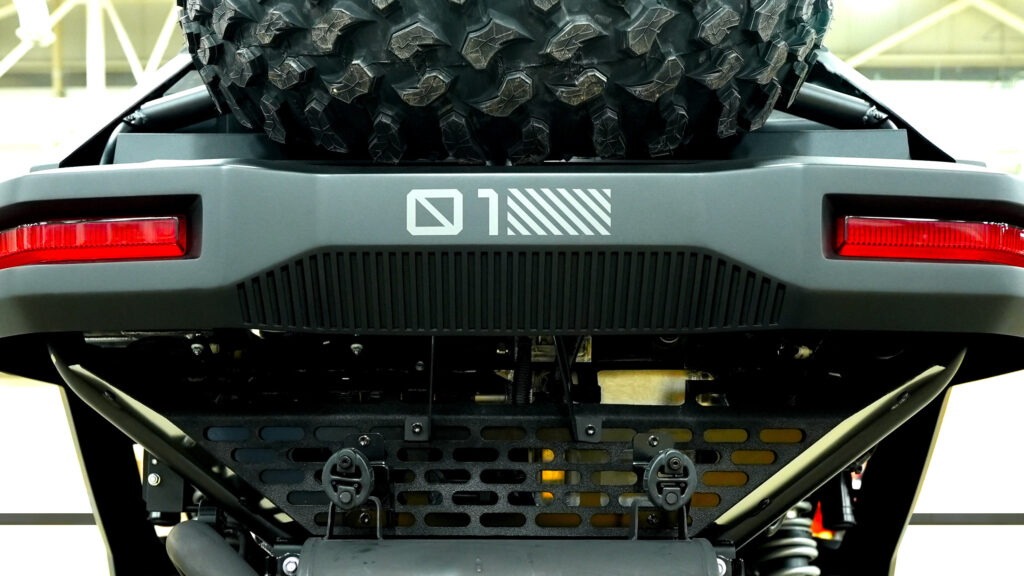
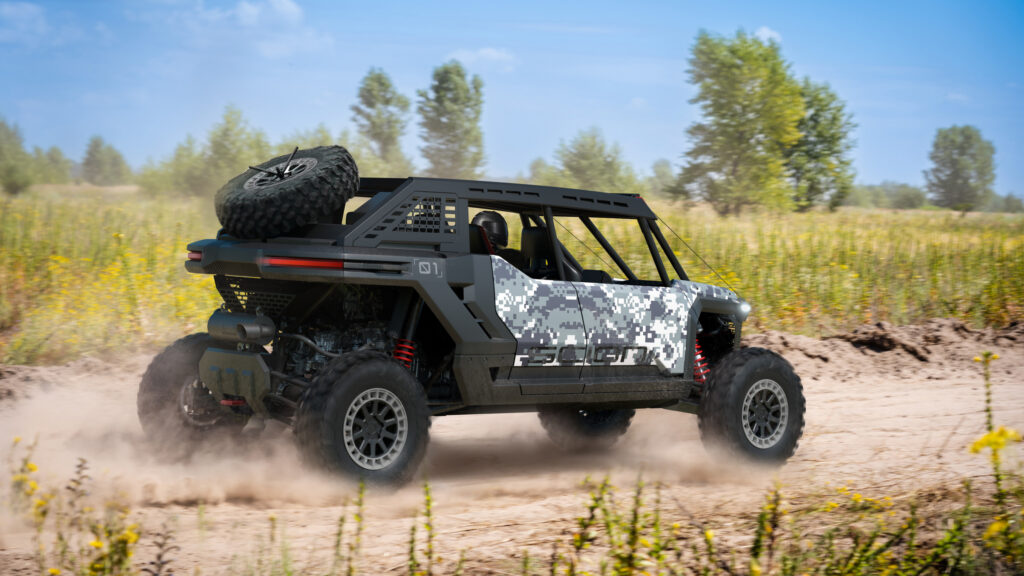
by At the recent SEMA auto show in Las Vegas, Toyota unexpectedly resurrected the Scion brand from oblivion, presenting a wild buggy concept with a hybrid powertrain, the same as in the Tacoma pickup. This raised the logical question of what future awaits Scion.
The Brand’s New Role
According to Scion 01 concept chief engineer Don Federico, the revival of Scion is a “mobility opportunity.” Interestingly, the brand was absent from Toyota’s recent announcements.
Scion is returning to its roots, which were supposed to be a test laboratory. Here it is.
Federico emphasized that this does not mean the quick appearance of new Scion products in dealerships. Instead, the brand should become a proving ground for ideas.
The Scion 01 Concept and Future Products
The engineer stated that in the future we will see several different products under the Scion brand, including “things that are not vehicles.” This promises the emergence of more unusual creations, like the 01 concept.
Our chairman Akio Toyoda famously said: “we are becoming a mobility company.” Here you see several mobility products, and perhaps this brand can carry such vehicles for us. Not traditional ones.
In the near term, Federico aims to launch the Scion 01 Concept into series production. If successful, it could become an unusual competitor to buggies from brands like Yamaha, Polaris, Can-Am, and Kawasaki.
I’m trying to build a business case here. The enthusiasm we saw at SEMA helped a lot, and if we can continue this story, it would be very useful.
The History of the Scion Brand
Toyota discontinued the Scion brand in February 2016, just 13 years after its market debut. Initially, the brand was meant to attract younger customers and offered several interesting models, such as the xB, tC, xD, and, of course, the Scion FR-S (a rebadged Toyota GT 86).
The return of Scion as a laboratory for non-traditional solutions could be a strategic move for Toyota in the face of the rapid transformation of the automotive industry. The emphasis on “mobility,” not just cars, opens the way for experiments with new forms of transport, technologies, and services, which could determine the direction of development not only for Scion but also for the parent company as a whole. The success of such initiatives often depends on the ability to balance the innovativeness of concepts with their practical viability in the market.