


Insider Knowledge Used Against Dealers
Automotive dealers have had access to the internal processes of buying, selling, and transporting vehicles across the country for decades. This access has always been their advantage. However, now someone is using this same insider knowledge against them.
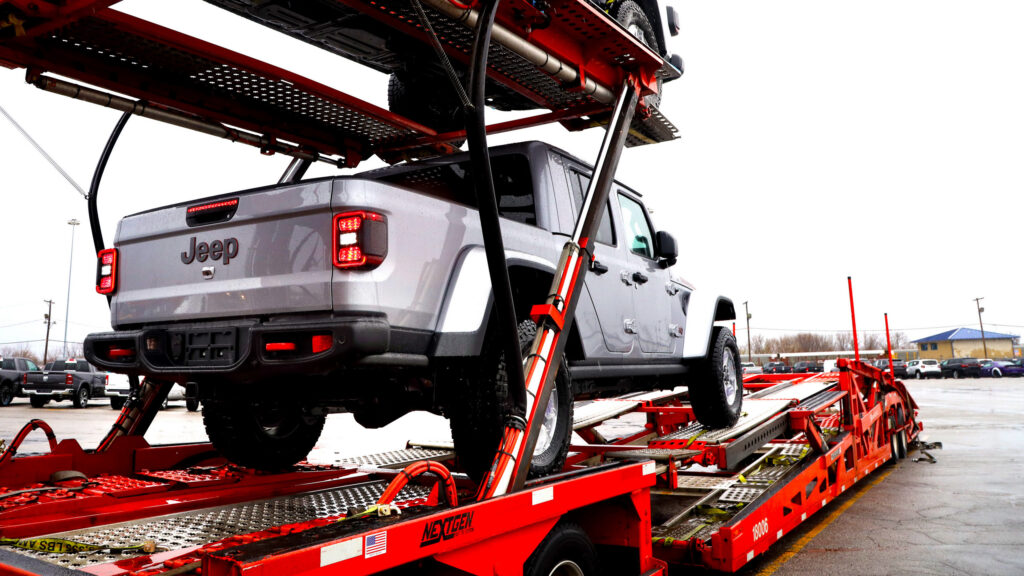
Scammers, posing as legitimate vehicle carriers, convince dealers to load exclusive and luxury cars onto trailers, after which the vehicles disappear. Realization usually comes too late: the carrier turns out not to be the planned one, and the car has long since vanished.
Growing Threat
Fraud is becoming increasingly common as car dealerships more frequently buy and sell expensive used vehicles across state borders. Since deals often involve brokers, auctions, carriers, and multiple dealerships, criminals exploit gaps in communication and verification.
There are a number of handoff stages and many different stakeholders involved in moving vehicles. These handoff points create opportunities for malicious actors.
One of the most prominent cases occurred in February when Loeber Motors, a Mercedes-Benz specialist dealership in Illinois, purchased a nearly $350,000 2023 AMG G 63 SUV from a Mercedes-Benz dealership in Laredo, Texas.
When the legitimate carrier arrived to pick up the SUV, the dealer learned that someone else had already taken it three days earlier. Loeber Motors has since filed a lawsuit over the missing G-Wagon.
Mechanism of the Fraud
According to fraud experts, these thefts are rarely simple. Operations often involve phishing emails, cloned websites, fake shipping lists, and multiple participants. In some cases, criminals impersonate real transport companies on logistics dashboards, bidding for jobs using stolen credentials.
Other scammers track public shipping lists, identify a dealership based on zip code and vehicle details, and arrive before the legitimate carrier. With convincing documents, they load the car and disappear, sometimes reloading it onto another truck within minutes.
What Dealers Can Do
Solving this problem boils down to a very simple verification. Dealers can check carriers’ driver’s licenses against the carrier information they should already have. They can contact the transport company directly before releasing the vehicle.
Some dealers use platforms with two-factor authentication, QR codes for verification, and other digital methods to be sure who is transporting their expensive inventory. Of course, if verification steps are skipped, it’s clear that anything can happen.
These cases highlight how fragile the supply chain can be even in a seemingly well-oiled industry. The shift towards more frequent cross-regional sales of premium cars, especially used ones, without a commensurate strengthening of security protocols creates a perfect environment for social engineering attacks. The success of these schemes is based not on complex technology, but on trust and routine procedures that can become sloppy under the pressure of operational activity. This serves as a reminder to the entire industry that the digitization of processes must keep pace with the development of protection mechanisms, and that the oldest principles—personal verification and direct confirmation—remain indispensable in the fight against sophisticated fraud.