 by
by Return of a Legend
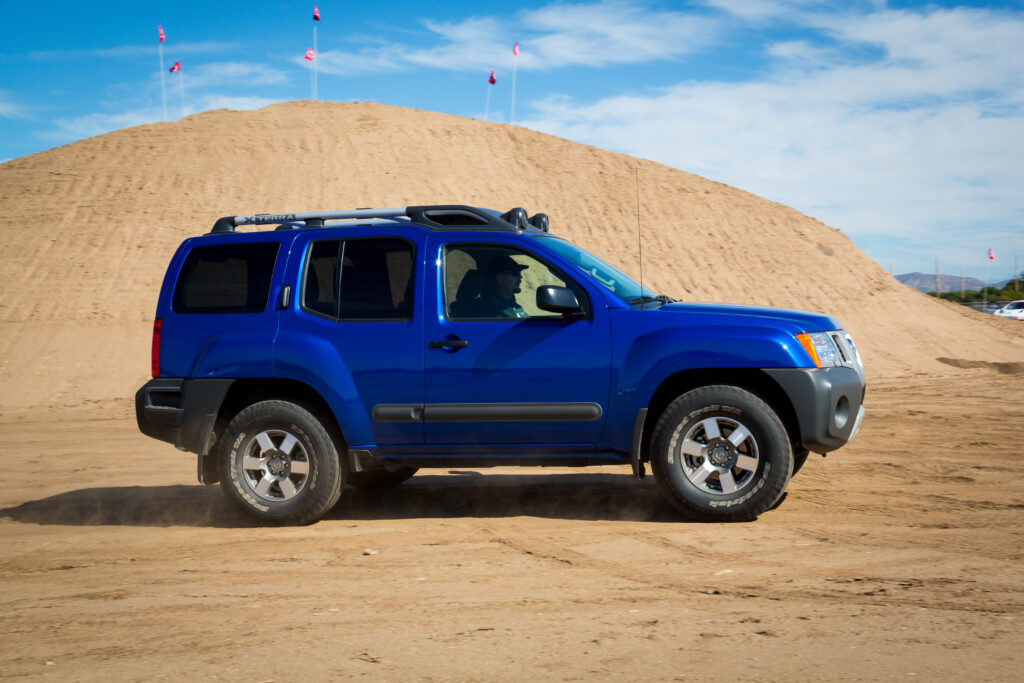
Nissan is reviving the Xterra model, and this return comes with good news for fans. The car will not get a manual transmission, but far more important is that it will be equipped with a classic gasoline V6 engine. A hybrid version will appear later, and serious off-road capabilities will remain a key part of this model’s DNA.
Details from Management
During a presentation at the New York Auto Show, Nissan Americas’ head of product and planning, Ponz Pandikuthira, revealed details. He confirmed that the revived Xterra, scheduled for launch in 2028, will be offered with both a pure gasoline V6 and a hybrid version based on the same engine.
“We will have a pure ICE,” he stated, adding that Nissan is not interested in using a turbocharged four-cylinder engine in the Xterra.
The ICE-only model is expected to use an updated version of the 3.8-liter V6 engine currently installed in the Nissan Frontier.
Hybrid Plans and Development Philosophy
Pandikuthira continued, stating that a hybrid could be created based on this engine. He noted that the specific execution of the hybrid, its debut timing, and how far behind the gasoline version it will lag are all still being worked on. From these statements, it follows that Nissan prioritizes simplicity and reliability over just fuel economy, which should resonate with most Xterra fans.
Design and Positioning
Equally important is that, by all indications, this will not be a “watered-down” crossover. The executive shared his impressions of the mockup:
“I was in Japan two weeks ago and saw the car in the first full-scale foam mockup – it’s literally breathtaking. Very impressive, it has a lot of very tough, assertive design features.”
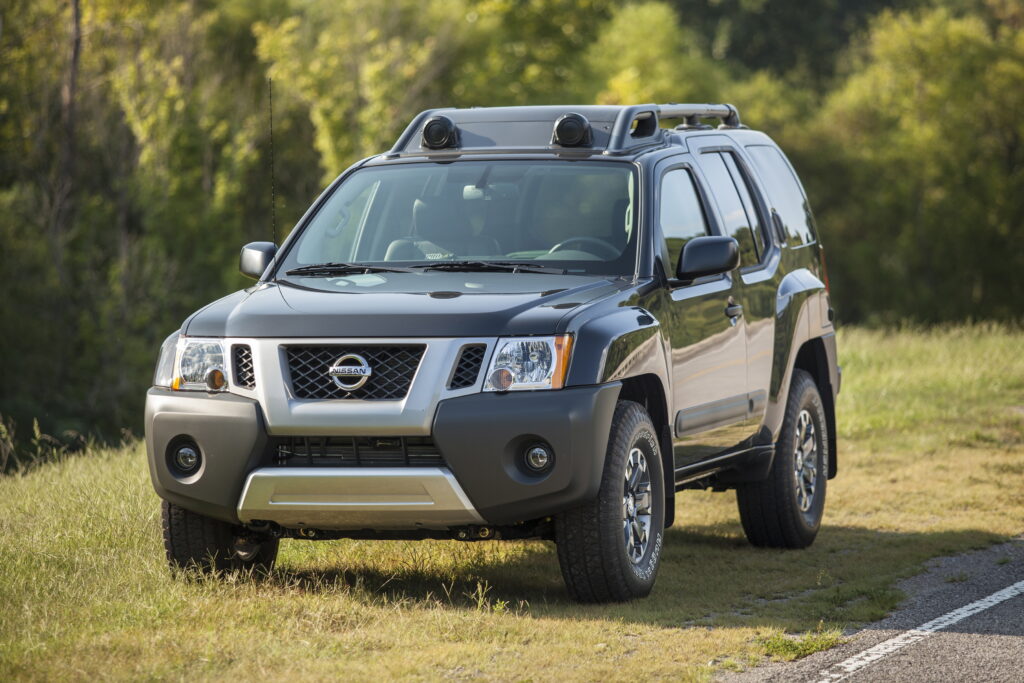
Undoubtedly, Nissan will want to incorporate many details into the design that clearly echo the original Xterra. This design line will be key in a market where the Toyota 4Runner and Ford Bronco are present.
Why There Won’t Be a Manual
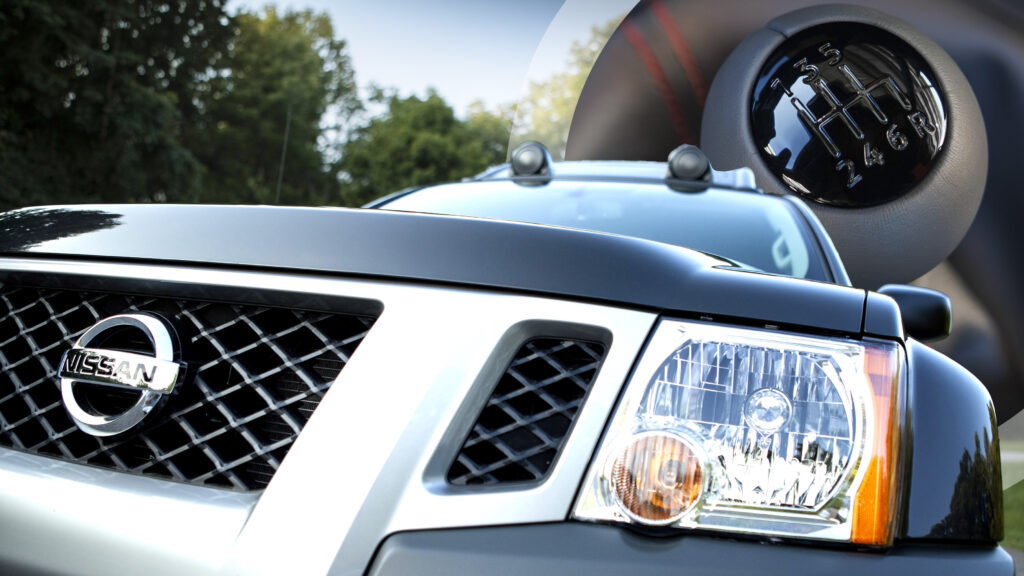
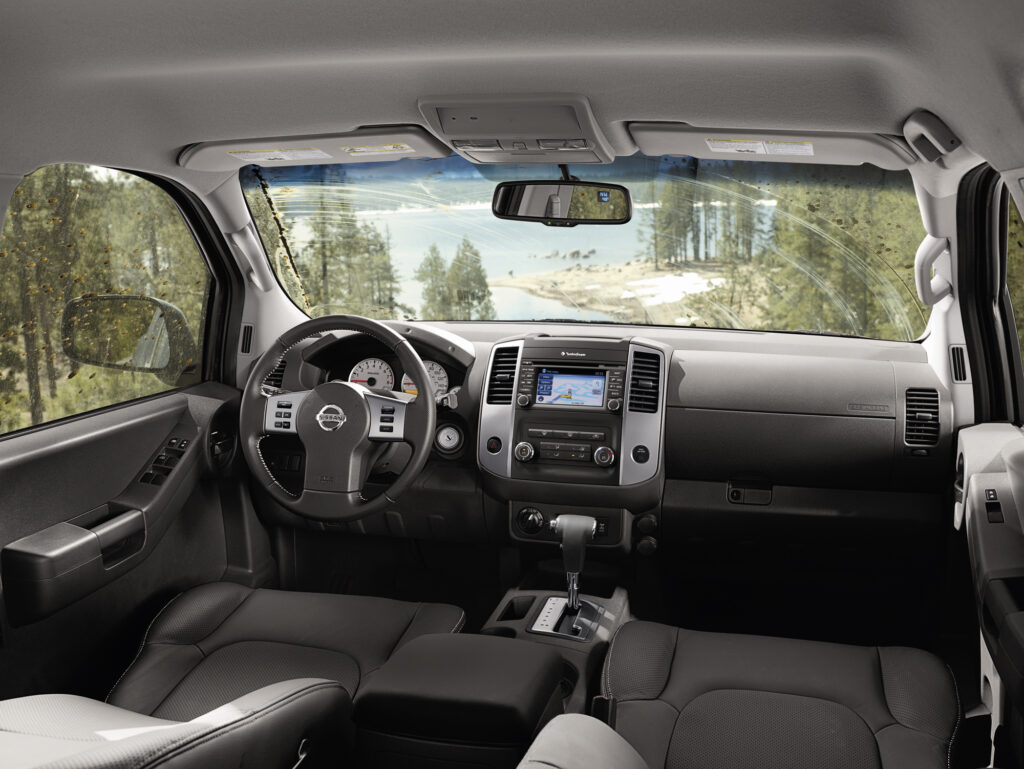
Speaking of the Bronco, it should be noted that Nissan does not plan to offer the Xterra with a manual transmission, unlike Ford. Pandikuthira dismissed the idea for off-roaders, arguing that for buyers, suspension tuning, steering feel, and powertrain calibration are more important than the ability to shift gears themselves.
He also pointed out that the gear shift lever takes up valuable storage space in the center console. Whether this argument is convincing is for potential buyers to decide.
Nissan’s decision to focus on the V6, even if it goes against the general trend of downsizing and turbocharging, demonstrates a clear understanding of its audience. Off-road enthusiasts often value reliability, repairability, and the characteristic performance of naturally aspirated engines above all, especially in challenging operating conditions. The rejection of a manual transmission, although it will disappoint purists, is a logical step from the perspective of the mass market and the integration of modern driver assistance systems and hybrid technologies. The success of the new Xterra in a competitive market will depend not only on nostalgic design and the engine, but also on how successfully it manages to combine classic off-road ruggedness with the expected level of comfort, efficiency, and digital technologies that have become standard in new cars.