


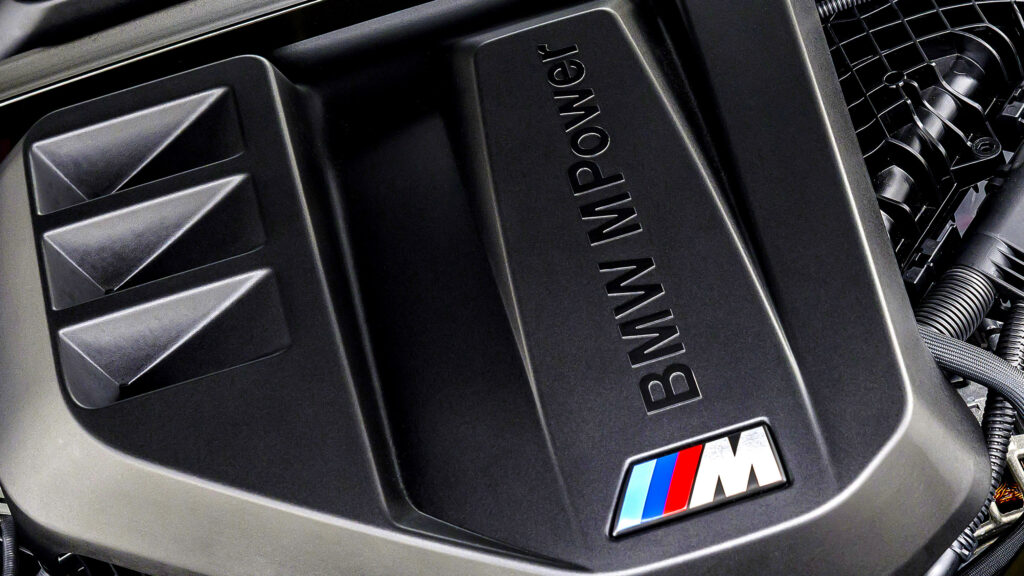
BMW Continues to Develop Petrol Engines
Despite strict environmental regulations threatening the future of classic internal combustion engines, BMW confirms that its iconic V8 and inline six-cylinder units will not disappear. The company is actively adapting these powertrains to the new Euro 7 standards, which will allow them to remain in production.
M Brand Strategy
Head of the BMW M division, Frank van Meel, stated that the brand has no intention of abandoning petrol engines in its high-performance products. He emphasized that this remains a key part of M’s long-term plans.
We said we don’t want to give up the internal combustion engine, so right now we are bringing our inline six-cylinder engine and V8 up to Euro 7 standards, and that will happen this year.
The Core of the Current Model Range
The current lineup of powerful BMW models is largely based on two engines: the 4.4-liter bi-turbo V8 based on the N63 and the 3.0-liter turbocharged inline six-cylinder B58/S58. The V8 can be found in models such as the M5, X5 M, X6 M, X7 M60i, and M8, while the six-cylinder unit is the heart of cars like the M240i and M3 CS.
Compromises Due to Environmental Regulations
However, keeping these engines compliant with Euro 7 standards is not an easy task. The latest M5 already provides a glimpse into the future. The power of its V8 has been reduced from 576 hp to 536 hp as part of the transition to a plug-in hybrid setup designed to meet stricter emission limits. Thanks to software tuning of the electric drive, the combined power output remains at 717 hp.

Possible Changes for the Inline Six
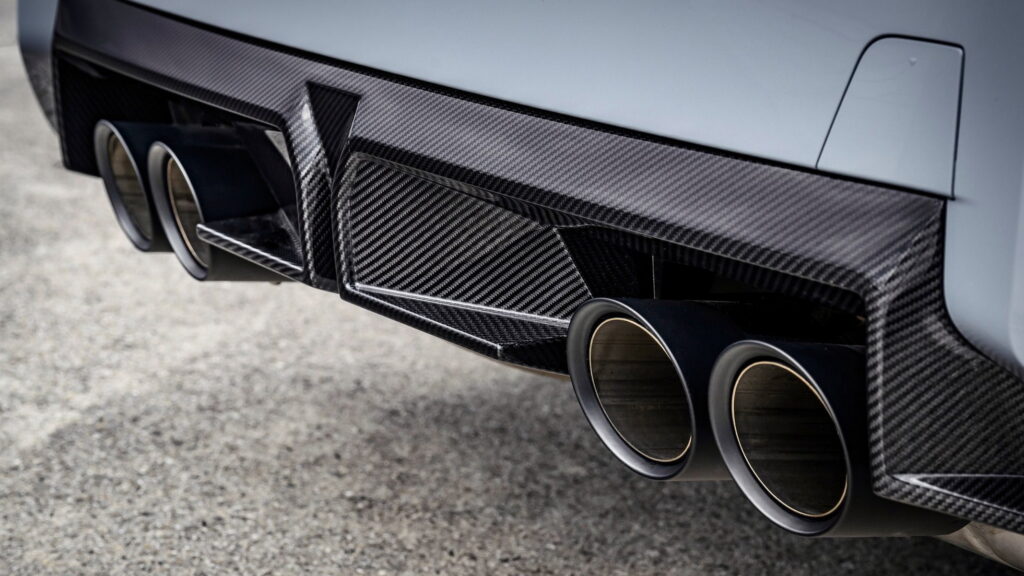
A similar power reduction may also affect the inline six-cylinder engine, which currently produces up to 543 hp in the M3 CS and M4 CS. Van Meel says the company’s strategy is to follow customer demand, not to impose a single solution. This is why future models, such as the next M3, are likely to appear with both electric and petrol powertrains.
As long as there is demand from the markets, and there is a lot of it right now, we will continue to produce petrol cars. Of course, if there is no demand because everyone falls in love with the electric version or vice versa, we will see. That is the direction we will follow. I believe a split strategy is always right because it provides answers to our customers’ requests, and customers always need to be listened to.
Flexibility as a Key Advantage
Van Meel added that the good news is that BMW has both development paths, so there is no need to make a decision now. The company can continue to have a broad portfolio and the right offering for everyone.
The good news is that we have both directions, so we don’t have the need to decide this right now. We can simply continue in the same vein, having a broad portfolio and the right offering for everyone.
Conclusions and Prospects
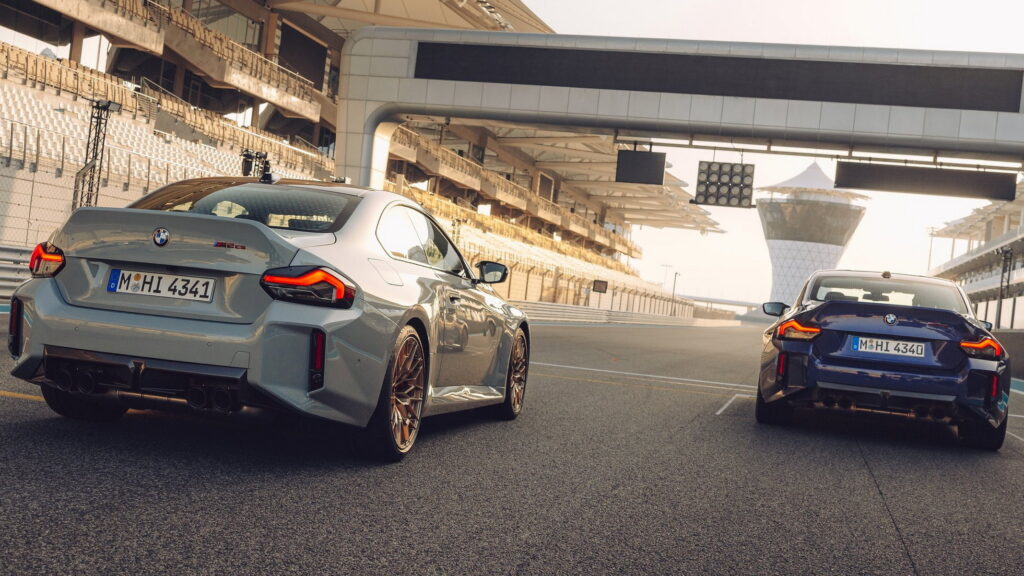
This customer-oriented approach is perhaps the main takeaway. BMW seems to have learned a lot over the past five years and is now listening to demand, even if it may mean less power at the driver’s disposal. The brand’s position indicates a pragmatic assessment of the market situation: instead of a sharp shift to electric, the company is choosing an evolutionary path where different technologies coexist. This allows it to satisfy both fans of traditional engines and those ready for new solutions, while preserving the technical heritage and driving emotions for which M cars are valued. Such flexibility may prove to be a decisive competitive advantage during the period of global transformation in the automotive industry.