


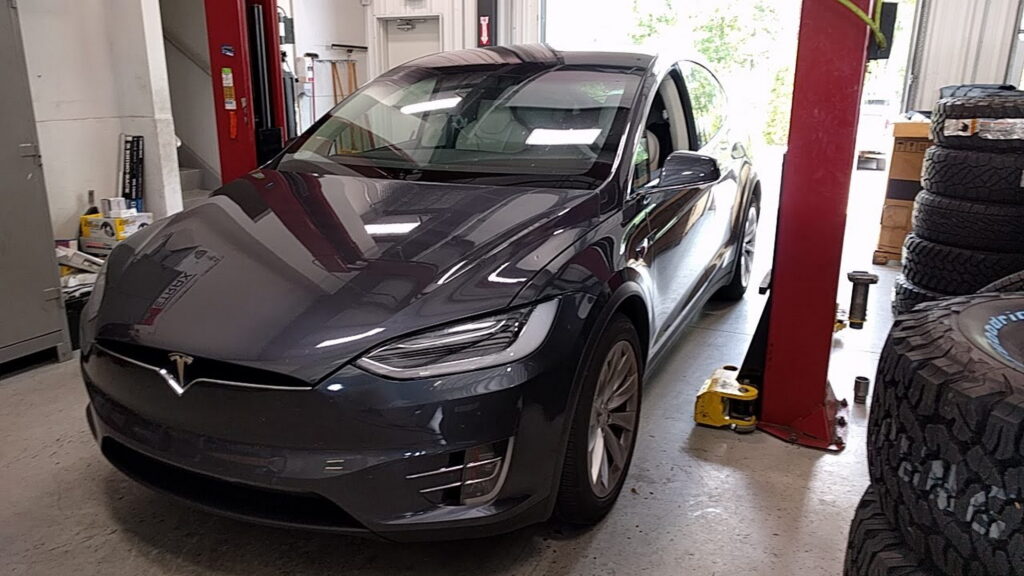
Modern cars: technological progress or a trap for your wallet?
Today’s cars have become safer, smarter, and more filled with technology than ever before. However, these achievements also have a downside. Software is becoming just as important as nuts and bolts, and independent auto repair shops claim that the costs of maintaining modern vehicles are spiraling out of control. The consequence may be that fewer local mechanics will be able to afford the specialized tools and subscriptions needed for repairs, leaving drivers with fewer choices and higher bills.
Wrenches are no longer the problem
A new report from The Detroit News examines how cars, increasingly defined by software, are changing the repair business. While independent shops generally can access factory repair information, many say the rising cost of software, diagnostic equipment, and technician training makes it difficult to compete.
Previously, mechanical skills and a decent set of tools were sufficient for most repairs. Today, even routine work can require proprietary software to diagnose faults, program replacement modules, or install updates.
According to the report, annual subscriptions for factory diagnostic software can cost thousands of dollars. Tesla charges $3,188 per year, Ford around $2,500, and General Motors approximately $1,200. Many automakers also offer short-term subscriptions, but costs can quickly add up for shops working with multiple brands.
The software itself is only part of the equation. Modern cars are filled with cameras, radar sensors, and driver assistance systems that often require specialized calibration equipment even after relatively minor repairs. Shops must also continuously invest in new diagnostic tools and technician training as automotive technology evolves.
Dealers are not worried
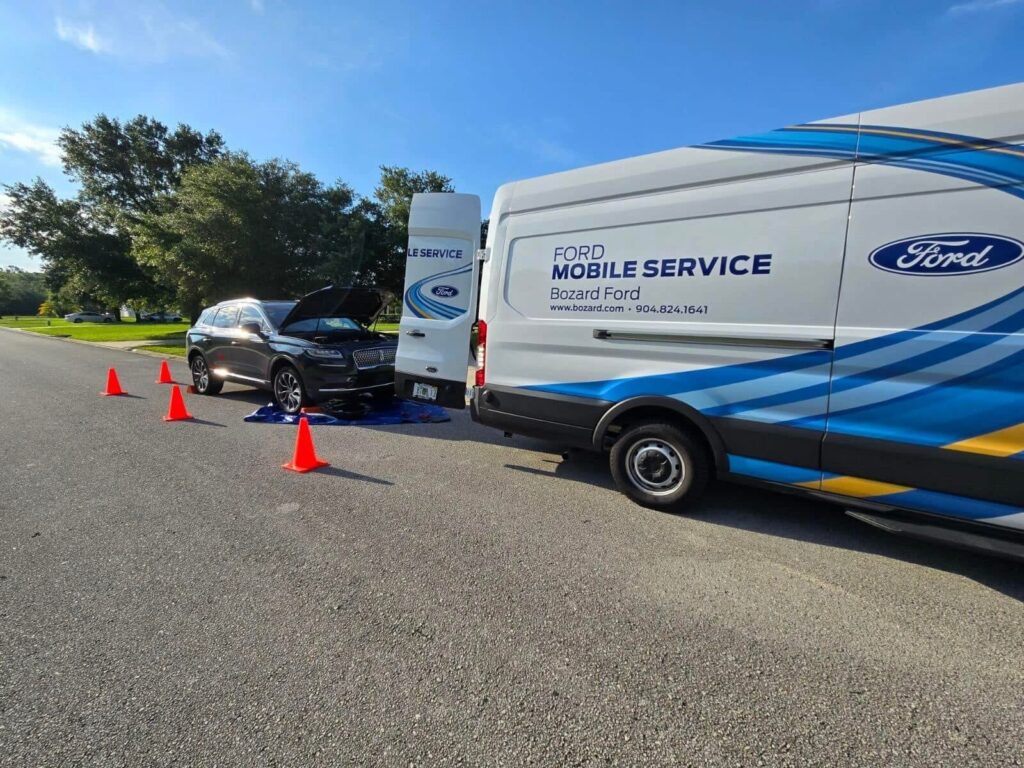

Importantly, for automakers and dealers, this is likely not a problem. Manufacturers would like to have more control over who services their vehicles. Dealers obviously do too, as service is a major source of their profit. Whether intentional or not, the new barrier that software creates for independent shops benefits dealers and, consequently, manufacturers.
Washington has taken notice: lawmakers are still debating “right to repair” bills aimed at making repair information and tools accessible to everyone who needs them. Automakers object, citing a 2014 industry agreement that promises independent shops the same repair data and diagnostic tools as franchised dealers. The Alliance for Automotive Innovation reaffirmed this commitment when the issue resurfaced, adding that manufacturers must protect intellectual property and confidential business information.
The bill falls on owners
Repair costs for consumers are rising regardless. According to data from the U.S. Bureau of Labor Statistics cited by The Detroit News, vehicle maintenance and repair costs rose 36 percent between May 2022 and May 2026, including a 6 percent increase in just the past year. Inflation, supply chain disruptions, tariffs, higher labor costs, and increasingly complex vehicles have all contributed to this trend.
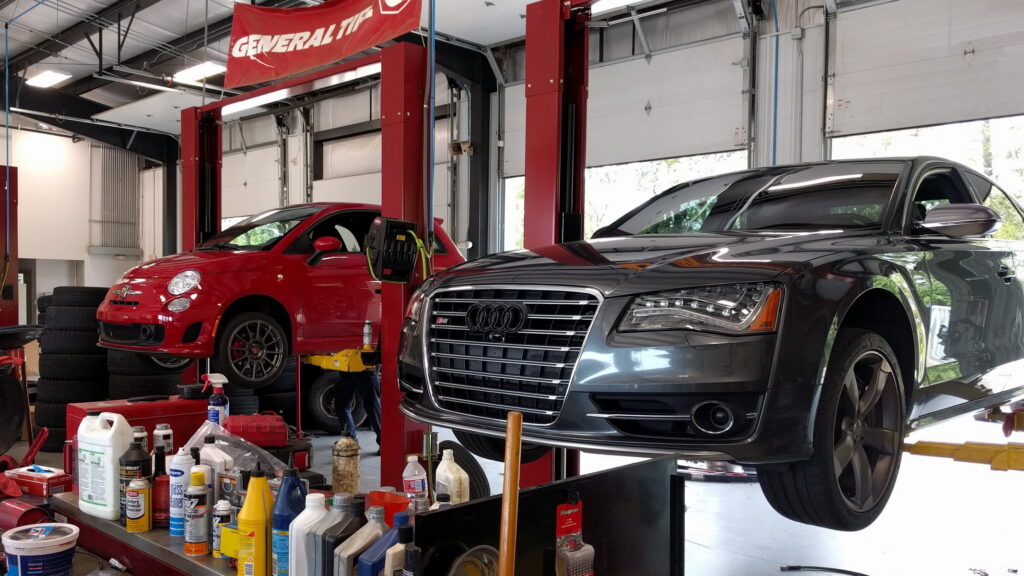

The current situation creates a vicious cycle: automakers make repairs more difficult to protect their technology and dealer profits, but as a result, ordinary drivers suffer, forced to pay more or go to an official dealer. Independent shops, which have been an affordable alternative for decades, are gradually being pushed out of the market by prohibitive costs. This is not just a matter of competition, but of the availability of quality and affordable service for millions of people. The ongoing fight for the “right to repair” will determine whether independent services can survive in the era of software-driven vehicles, or whether repairs will ultimately become the exclusive prerogative of official dealerships with corresponding price tags.