


Surveillance Technologies Continue to Evolve
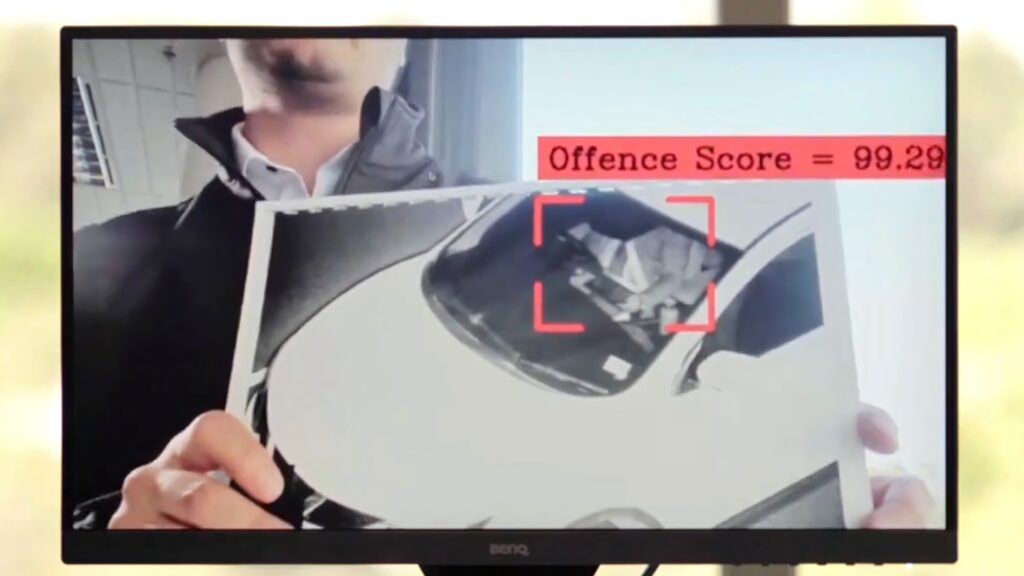
New artificial intelligence video surveillance systems appear every week. Already in mid-January, drivers in Arkansas will encounter upgraded smart cameras that will gain a new function. They will start tracking what drivers are doing with their hands. If the system detects a driver holding a device, such as a mobile phone, in their hand, it will notify a real police officer, who will be able to stop the violator.
How the New System Works
According to the Arkansas Department of Transportation (ARDOT), cameras in work zones, already used for speed enforcement, will begin detecting the use of portable devices from mid-January. If the system spots a driver with a phone in their hand, it will send a signal to an Arkansas State Police officer located nearby. This officer will be able to stop the vehicle after it leaves the work zone.
It is important to note that this is not an automated ticketing-by-mail system. An officer must be present to issue a warning or a citation. Drivers will not receive a citation based solely on camera footage. The road cameras are intended to assist law enforcement, not to replace it.
Technology from Australia and Local Regulations
Cameras manufactured by the Australian company Acusensus are already used in the UK, Greece, Australia, and other countries. It was recently reported that a single Acusensus camera in a pilot project in Athens detected nearly 2,500 violations and triggered 1,000 automatic fines in just four days. However, in Greece, there are concerns about the legality of such a system, particularly regarding how the recordings are used.


Who Makes the Final Decision?
ARDOT spokesman Dave Parker explained how the system works: “Acusensus uses artificial intelligence to detect images likely showing violations, such as drivers with phones in their hands or passengers without seatbelts, to determine if those images should be reviewed by human reviewers.” Once a potential violation is detected, a certified law enforcement officer is brought into the process. “Every photo is reviewed by a certified police officer before a decision is made to pull over a violator,” Parker said.
Using a handheld device in a work zone in Arkansas is already illegal, but officials say this law has been difficult to enforce consistently. Arkansas State Police Chief Jeff Holmes called this technology a practical solution to the problem, noting that hands-free rules in work zones have long been difficult to enforce without clear visual confirmation.
Warning Signs and Privacy Questions
ARDOT is installing signs to warn drivers about the cameras before they enter the system’s zones. This naturally raises privacy questions, which are becoming increasingly relevant. Arkansas authorities also do not track the system’s false positives, so it is unknown how often officers have to review erroneous images.
According to ARDOT, state laws restrict data usage. Any information obtained using road cameras must be deleted if it is not needed for issuing a warning or citation. In other words, according to official statements, the footage is not archived or used for purposes other than law enforcement. Parker stated that “Images are only saved for court. Everything else is deleted by the system the same day unless an officer specifically saves it for court.” Arkansas does not mail out machine-generated tickets but provides officers with a new digital tool for surveillance.
The implementation of such technologies always balances safety and freedom. On one hand, the goal is to reduce the number of accidents in work zones caused by driver distraction, which is a worthy aim. On the other hand, the expansion of monitoring capabilities raises legitimate questions about the scale of government surveillance and the protection of personal data. The experience of other countries shows that the technical effectiveness of such systems can be high, but public acceptance depends on transparency, clear legal frameworks, and appeal mechanisms. It is important that technological development does not outpace the formation of appropriate ethical and legal norms that would guarantee that the benefits of safety are not achieved at the expense of fundamental rights.