


New Option for Families
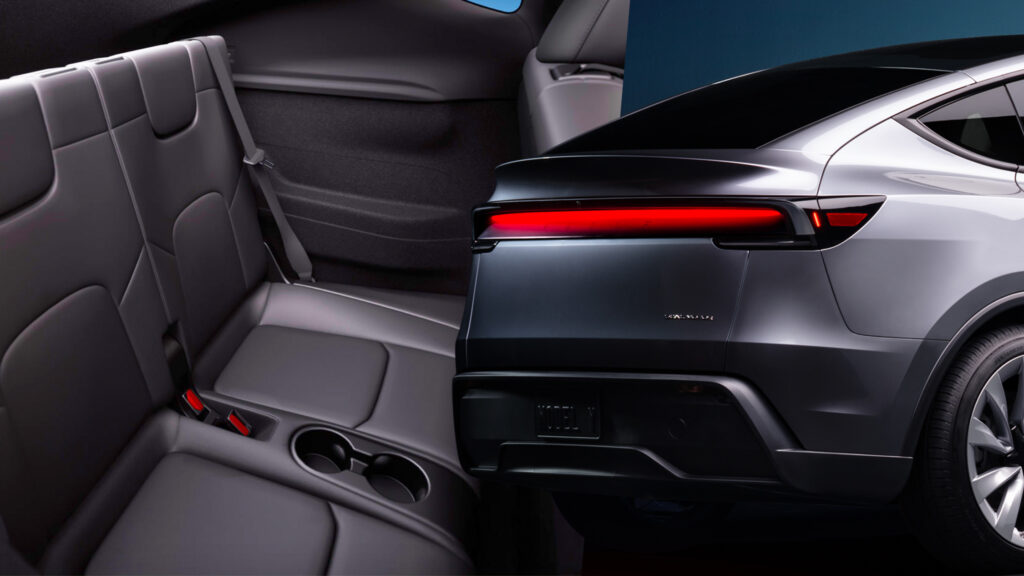
Tesla Model Y is trying to win back large families and, perhaps, lost positions in sales rankings. The company quietly returned the seven-seat option to the model lineup for the British market, and this could be the very incentive this crossover was missing.
Price and Conditions
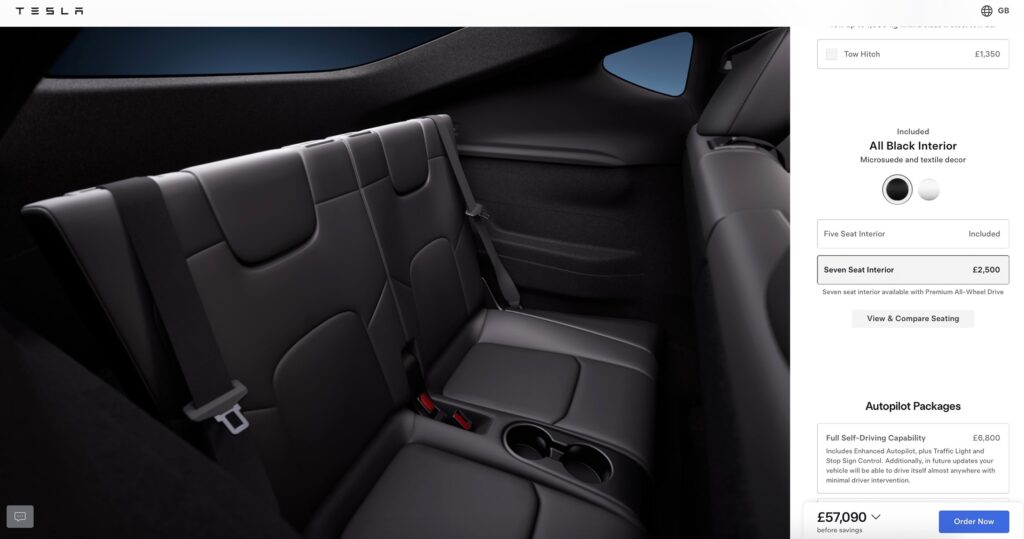
For £54,490, buyers get an additional pair of seats, neatly integrated into the luggage compartment. This option is already available in the US and EU. It costs £2,500 more than the standard version. However, the main nuance is that the additional seats can only be obtained together with the all-wheel-drive Long Range version, which itself costs £10,000 more than the base rear-wheel-drive model.
Jim Farley promises a new affordable Ford electric vehicle to compete with the Tesla Model 3 and Y.
Specifications and Performance
At the very least, this means the car will have enough power to carry seven passengers. Two motors provide quick acceleration: 0-60 mph (97 km/h) takes about 4.6 seconds, which is faster than most people need for taking kids to school.
Tesla’s online configurator shows the same acceleration time for the five-seat version and also claims that both models have a WLTP range of 391 miles (630 km). However, some British publications report that the extra seats reduce the electric range to 372 miles (599 km). Even if this is true, the Model Y will still remain one of the longest-range seven-seat electric SUVs.

Space and Comfort
When all seven seats are up, there is still space in the trunk for a few carry-on suitcases, plus additional storage in the front trunk (“frunk”). If you fold the rear row, the Model Y once again transforms into a cargo-carrying champion. However, the third row of seats is best described as “optimistic.” Tesla acknowledges that it is more suitable for children, and the lack of Isofix mounts limits its usefulness for young passengers. Nevertheless, there are USB-C ports and cup holders, so passengers in the back seats won’t feel completely forgotten.
Market Competition
This move also returns the Model Y to the competition with rivals like the Peugeot E-5008 and Mercedes EQB, which have long been attracting family buyers looking for electric practicality with three rows of seats.
The bigger question is whether this will be enough to improve Tesla’s position in the UK. The Model Y once dominated sales rankings but fell out of the top ten in 2025, despite a facelift. Adding two extra seats may not seem revolutionary, but for growing families, it might be exactly what was missing.
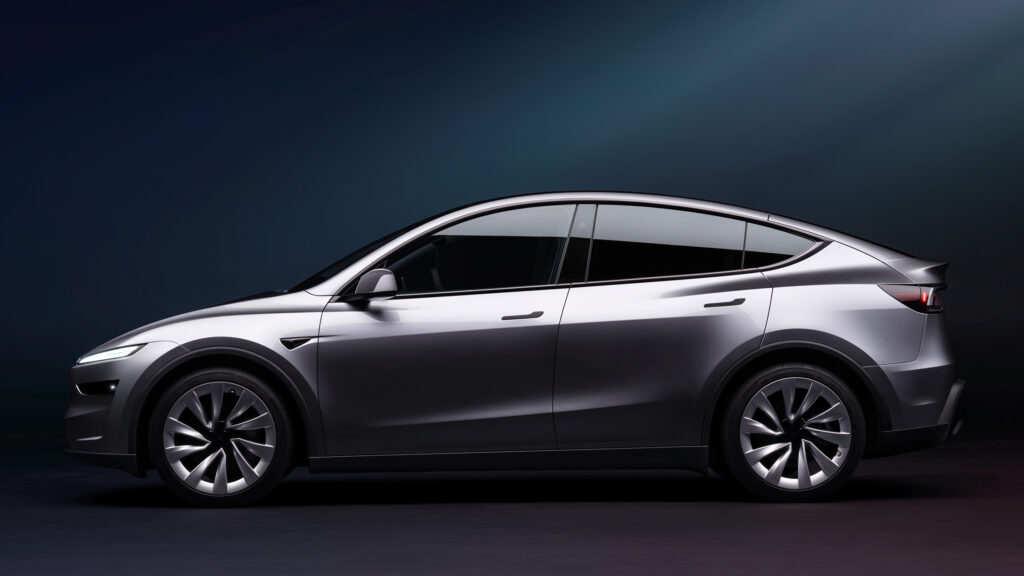

The return of the seven-seat option for the British market comes at a crucial time when competition in the electric family car segment is intensifying. This is not just a matter of technical specifications, but also a marketing strategy aimed at a specific target audience. The success of this move will depend on how important the third row of seats proves to be for buyers compared to the total cost of ownership and the availability of alternatives. The Model Y’s sales dynamics in the coming months will show whether this decision was a successful move to restore the brand’s position.