


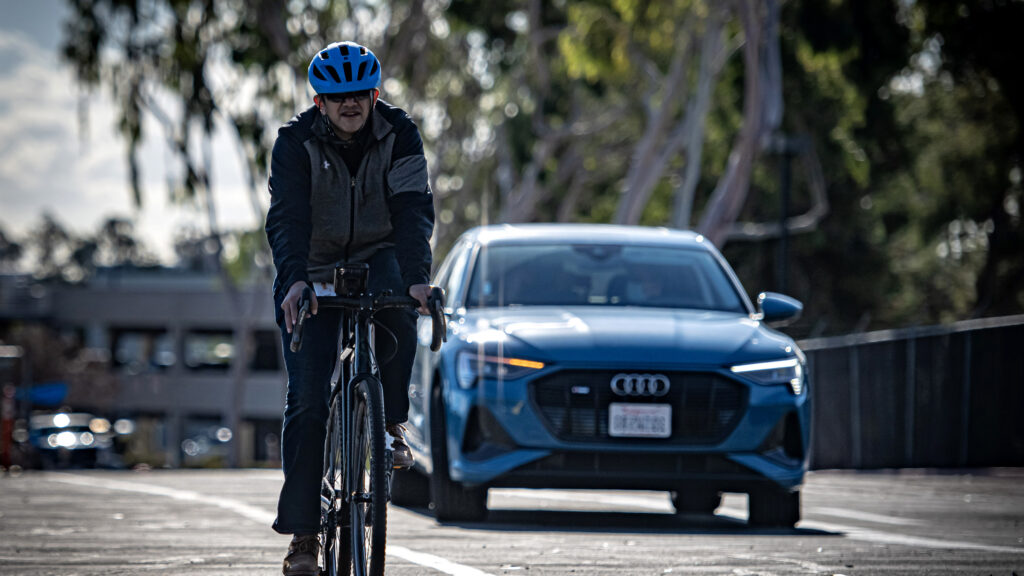
For many years, America’s roads seemed to be moving in the wrong direction: the number of fatal crashes rose sharply during the pandemic and remained high afterward. However, this trend continues to change, as new federal data indicates the safest start to a year in the last decade. Yet not everyone is benefiting from these improvements.
Best trend in a decade
According to new preliminary estimates from NHTSA, approximately 7,770 people died in traffic crashes during the first quarter of 2026, a 4.3% decrease compared to the same period last year. The fatality rate also dropped to 0.99 deaths per 100 million vehicle miles traveled, the lowest figure for the first quarter since 2014 and only slightly behind the record quarterly rate of 0.98.
The latest data continues a positive trend that began after the peak in road fatalities during the pandemic. NHTSA reports that total deaths in 2025 fell to the lowest level since 2019, and the annual fatality rate of 1.10 deaths per 100 million miles was the second lowest on record. If the current pace holds, 2026 will mark the fifth consecutive year of declining road fatalities.
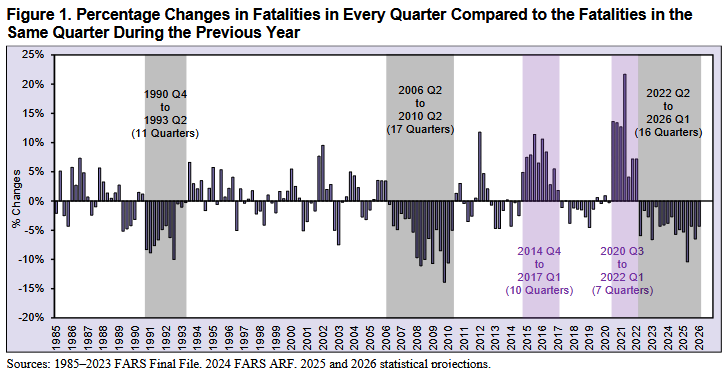

The pandemic years were a sharp deviation from long-term progress. Road fatalities rose by 10.8% in 2021 to 43,230, the highest annual figure since 2005. This happened as emptier roads, reduced traffic enforcement, and increased speeding and drunk driving led to a surge in fatal crashes.
Cyclists still losing ground
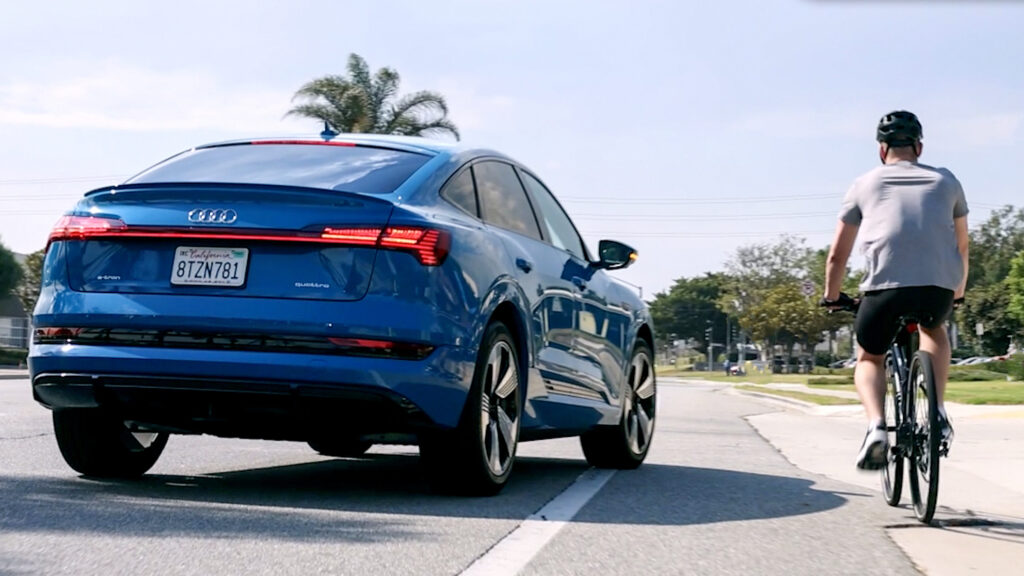

Despite the overall positive trend, one category continues to move in the opposite direction. Cyclist fatalities increased by 4% in 2025 to 1,148 people, remaining near the highest levels of the last four decades. The first-quarter report for 2026 does not provide a detailed breakdown for pedestrians, cyclists, motorcyclists, or drivers, so it is not yet clear whether vulnerable road users are benefiting from this year’s overall decline.
Beyond the human toll, the financial impact is enormous. A preliminary NHTSA study showed that crashes cost taxpayers approximately $30 billion annually and society $340 billion in direct costs. When the loss of quality of life is factored in, the total economic burden rises to roughly $1.37 trillion.
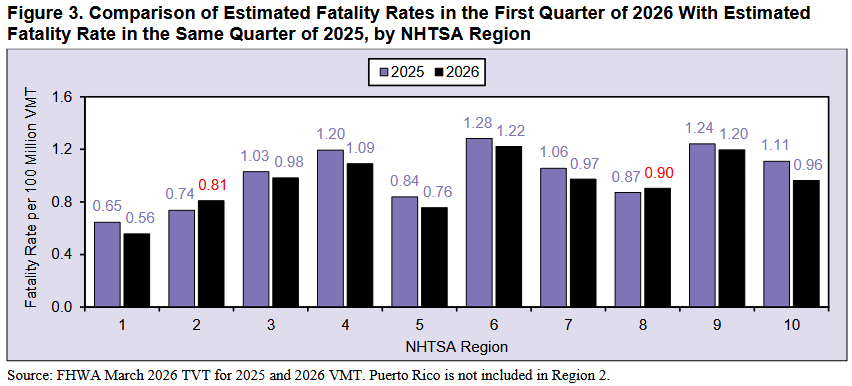

These figures underscore the complexity of road safety issues: the overall decline in fatalities is a positive signal, but it does not address systemic problems for vulnerable road users. The lack of cycling infrastructure, increasing vehicle sizes, and insufficient focus on road safety may explain why this group continues to suffer. Further research and investment in protecting pedestrians and cyclists, as well as the deployment of technologies such as C-V2X, could be key to closing this gap.