


Possibility of Installing Violation Detection Cameras
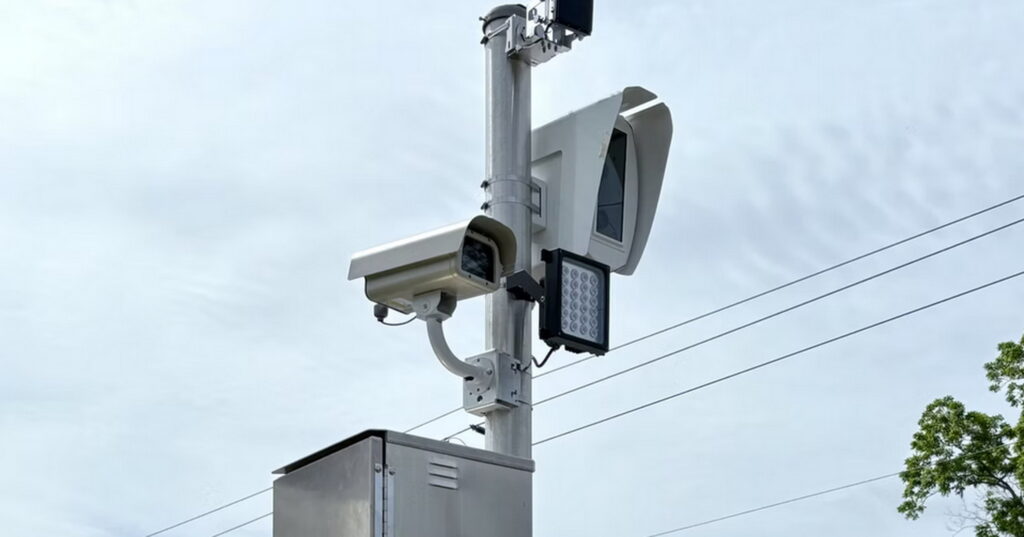
The state of Massachusetts is considering a bill that would allow local authorities to install automatic cameras to record traffic violations. The systems will be able to record speeding and running red lights. Fines for such violations will be limited to $150.
The Purpose of the Bill and the Legislator’s Position
Bill number 4087, named the “Roadway Safety at Intersections Act,” does not obligate cities to implement this technology but creates a legal basis for doing so. One of the bill’s sponsors, State Representative Orlando Ramos, emphasizes that the goal is safety, not budget revenue.
We are simply trying to keep the roads safe, trying to protect people. We are not trying to make money or generate revenue for the city through this legislation.
Mechanism for Issuing Fines
The fines will be civil, not criminal. A notice of violation will be sent by mail to the registered vehicle owner, regardless of who was driving. However, owners will have the opportunity to contest the violation within 60 days, review the video recording, or submit a written affidavit if another person was driving.
Privacy and Legality Concerns
The introduction of cameras raises concerns about privacy and legal safeguards. Ramos notes that the violation is civil, not criminal, which is a significant distinction. He also expresses concern about government surveillance, which is why, in his opinion, it is important to create clear legal frameworks.
However, the bill does not detail specific mechanisms to prevent misuse of the technology. In Florida, a camera fine was recently overturned precisely due to violations of constitutional rights. The judge deemed such penalties “quasi-criminal” because they have serious consequences for the driver and required the state to prove guilt, not equate the owner with the violator. Similar challenges could arise in Massachusetts if the legislation is not carefully thought out.


The issue of automatic road surveillance extends beyond traffic safety, touching on the balance between public order and private life. The success of such initiatives will depend not only on the technical side but also on citizens’ trust in the fairness of the system and guarantees for the protection of their data. The experience of other states shows that public dialogue and transparency of procedures are key to ensuring that innovations in traffic regulation do not turn into a tool for uncontrolled collection of funds.