


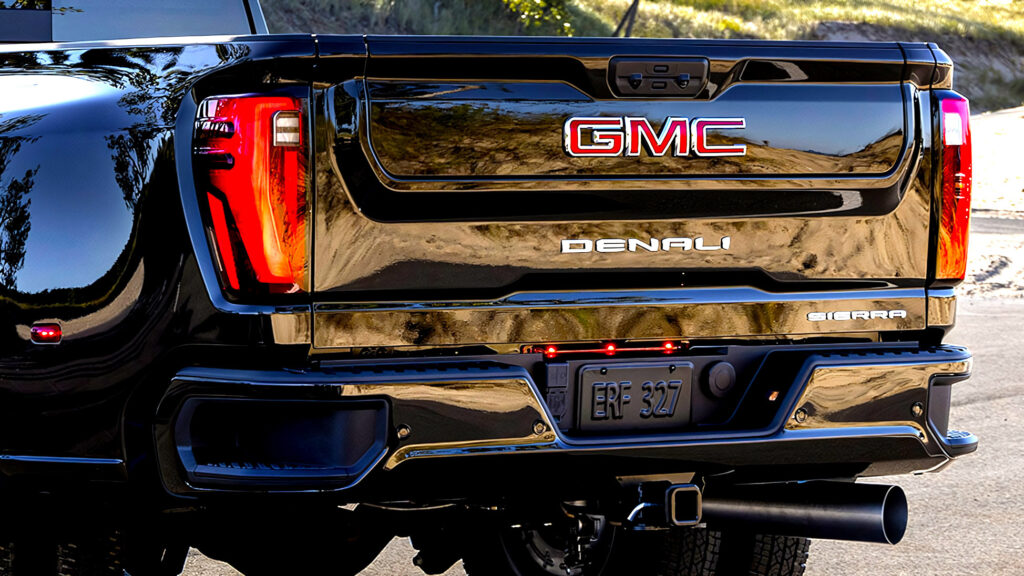
The U.S. Department of Justice is ordering prosecutors to close criminal cases related to the tampering with emission control software. Civil lawsuits under the Clean Air Act will continue where appropriate. This decision could affect dozens of ongoing cases and investigations across the country.
New Department of Justice Directive
Over the past few years, the U.S. Department of Justice has spent countless resources on criminal cases related to the artificial tampering with emission control systems. Now, a new directive makes all this hard work somewhat pointless. Henceforth, the department will no longer prosecute such cases and is even closing those already under review.
In a memorandum published on Wednesday by Deputy Attorney General Todd Blanche, the Department of Justice ordered prosecutors to stop pursuing charges for the illegal modification of emission control software. In other words, devices that allow vehicles to bypass Clean Air Act requirements are no longer a target.
Shift in Federal Priorities
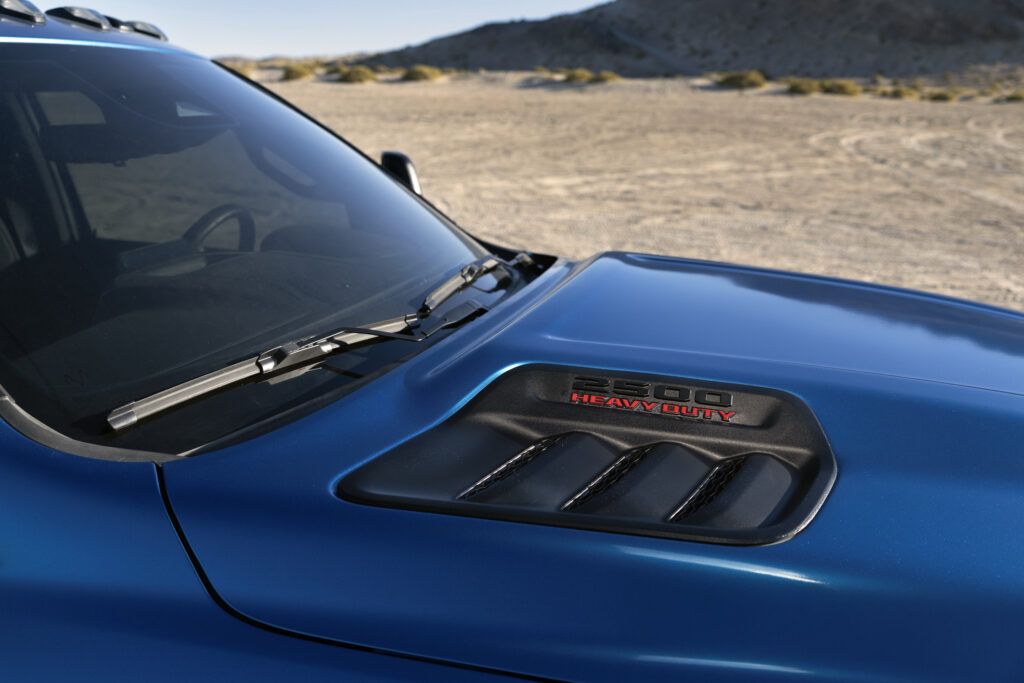

According to CBS News, Blanche justified this decision with a new legal theory which asserts that unauthorized tampering with emissions-related software does not meet the Clean Air Act’s criteria for criminal prosecution and should instead be treated as a civil violation. This position contradicts the long-standing interpretation of career prosecutors and Environmental Protection Agency lawyers, some of whom have warned internally that such legal reasoning is flawed.
This move could affect more than a dozen active criminal cases and over 20 ongoing investigations across the country, many of which were aimed at companies and individuals accused of selling or installing devices to disable emission control systems on diesel trucks. Several such cases were initiated as far back as 2025.
Today @TheJusticeDept is using its prosecutorial discretion to no longer bring criminal Clean Air Act cases based on allegations of tampering with vehicle onboard diagnostic devices.
Environmental Impact and the Future of Civil Prosecution
The issue of unauthorized tampering with emission systems has long been a priority for regulators due to its environmental impact. A 2020 Environmental Protection Agency study found that emission control systems had been removed from approximately 550,000 diesel pickup trucks over the previous decade, resulting in approximately 570,000 tons of excess nitrogen oxides.
The department states that it will continue to file civil lawsuits in partnership with the Environmental Protection Agency when grounds exist. This is a key point, as it means some large companies may still face fines and penalties.
Furthermore, it is worth noting that local and state laws could create problems for drivers of modified vehicles. From a federal legislation standpoint, unauthorized tampering is technically still illegal. The difference now is that the Department of Justice will no longer be knocking on the door.
The Department of Justice adheres to the principles of effective law enforcement, rational use of government resources, and avoiding the overcriminalization of federal environmental law. In partnership with @EPA, the Department of Justice will still pursue civil enforcement for these violations when appropriate.
This policy change is likely to spark controversy among environmental activists and the public concerned about air quality. While civil fines may deter businesses, the abandonment of criminal liability may be perceived as easing pressure on those who knowingly violate standards. Concurrently, technological advancements and the growing popularity of electric vehicles may gradually change the very context of the problem, reducing the overall number of diesel vehicles on the roads in the long term.