


Volvo ready to cooperate with Geely at US plant
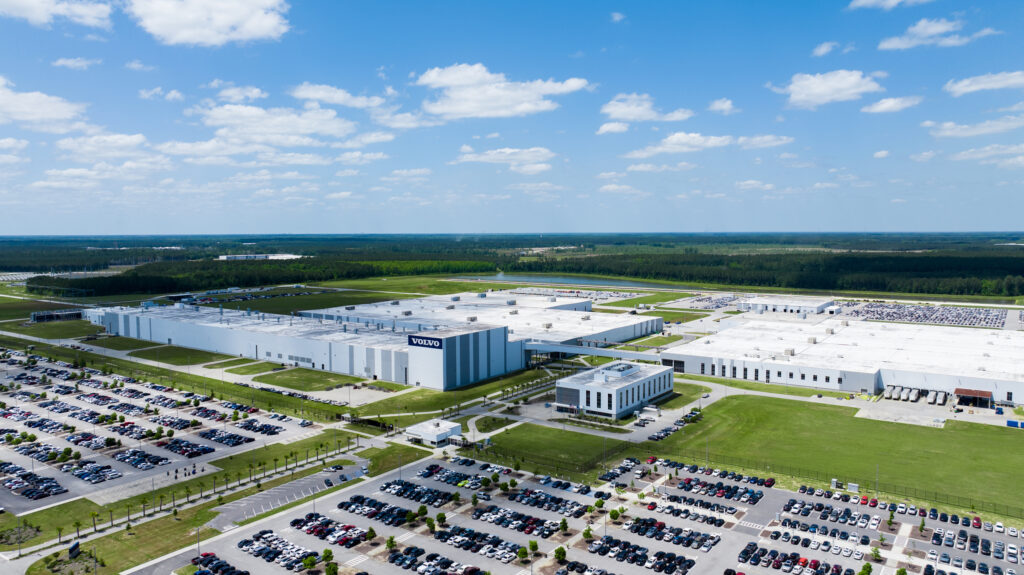
Volvo’s plant in Ridgeville, South Carolina, which opened in 2018 to produce the S60 model, has not met expectations. The sedan hit the market at a time when buyers were massively switching to crossovers. Six years later, production of the S60 was discontinued, and the plant was retooled to produce the EX90 and Polestar 3, which are selling even more slowly.
This has led to the plant’s capacity being underutilized. To remedy the situation, the automaker plans to add the XC60 model to the production line later this year. But the company may not stop there.
Proposal for Chinese partner
In an interview, Volvo CEO Håkan Samuelsson said the company is considering the possibility of producing Geely vehicles at its US plant since it has excess capacity. At the same time, he noted that the Chinese company would have to successfully navigate a complex regulatory environment to do so.
Volvo CEO Håkan Samuelsson said the company would consider building Geely vehicles at the plant as they have excess capacity.
Political and regulatory barriers
Even before Trump’s tariffs were introduced, policymakers were erecting barriers to effectively keep Chinese cars out of the US market. In the final days of the Biden administration, the Department of Commerce adopted a rule banning the sale and import of connected vehicles, as well as their software and hardware, from China and Russia.
In addition, in 2024, the Biden administration raised the tariff on Chinese electric vehicles from 25% to 100%. The department stated that this decision was intended to protect American manufacturers from China’s unfair trade practices and ensure that the future of the automotive industry is built in America by American workers.
Prospects for Geely
Producing electric vehicles in the US would allow Geely to avoid high tariffs, but obstacles still remain. Earlier, company representatives stated that they plan to enter the US market within the next two to three years. Placing production in Ridgeville could be one way to achieve this goal. However, politicians are likely to oppose such a move and may try to erect new barriers.
The situation surrounding the Volvo plant in South Carolina demonstrates the complexity of global automotive trade amidst political restrictions. Although technically, Geely production in the US could bypass tariffs, regulatory risks and political pressure remain serious challenges. It also highlights how trade policy influences automakers’ strategies, forcing them to seek local solutions for global brands. At the same time, if Geely manages to establish production in the US, it could set a precedent for other Chinese companies seeking to enter the American market.