


Analyst Forecasts for Tesla
Financial market experts believe that Tesla is capable of more than doubling its global car delivery volumes by 2030. This optimistic scenario is based on assumptions regarding the opening of new factories, the launch of cheaper models, and the expansion of global presence, which is ultimately expected to bring annual sales to the level of millions of units. However, there is a certain contradiction: if the future is so bright, then the short-term forecasts of the same analysts for the first quarter of 2026 do not show rapid growth.
Analysts believe that Tesla is on track to double its global deliveries by the end of the decade.
Expectations for the Coming Years
The automaker collected estimates from 23 major analytical companies, including UBS, Barclays, Wells Fargo, and others. Wall Street’s expectations for Tesla’s deliveries in the first quarter of 2026 reach approximately 420 thousand vehicles. For a company that seemingly stands on the threshold of explosive growth, this figure raises questions, as it is almost no different from the 2025 level.
The general consensus of analysts is that in 2026, Tesla will deliver 1,689,691 cars. This is only slightly higher than the 2025 figure, which was 1,636,129 cars, meaning modest growth of 3.3% year-on-year.
Long-Term Perspective
Starting from 2027, their forecasts consistently increase. 2027 is the last year for which all 23 firms provided their estimate – 1,880,496 deliveries. Twenty of these firms predicted that on average Tesla would deliver 2,128,187 cars in 2028. Only 13 companies provided a consensus forecast for 2029 and 2030: 2,613,623 deliveries in 2029 and 3,032,000 the following year.

Sales Structure and Investments
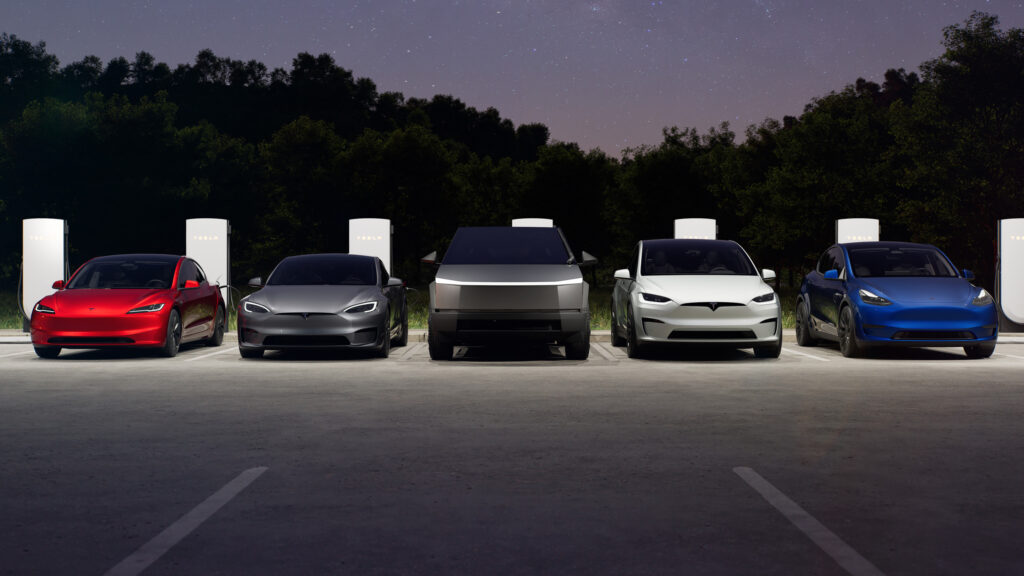
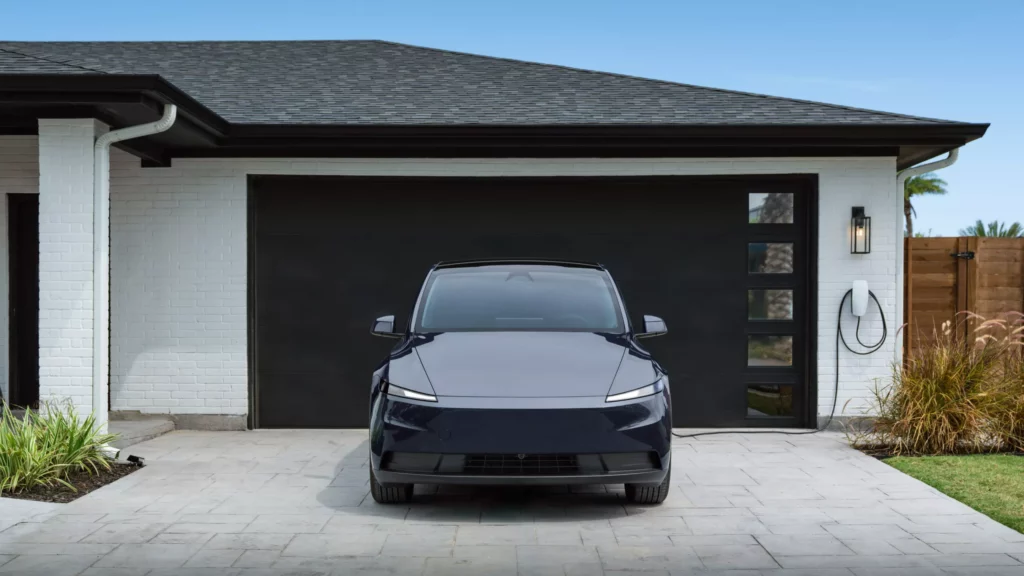
As is the case now, analysts believe that the vast majority of Tesla cars sold will be Model 3 and Model Y, with an overall ratio of approximately eight to one. Notably, according to the consensus, this ratio will decrease to four to one by 2030. This is important because it indicates that Tesla will have to continue investing in the development and proliferation of both the Model Y and Model 3. It is these two models, if the forecasts are to be believed, that will be the main driver of growth for the company’s automotive business.
The forecasts do not explain in detail what exactly is hidden under the “other models” category. Since the Tesla Model S and Tesla Model X are no longer in production, the product line is rapidly narrowing. Only the Tesla Cybertruck remains as the sole other current vehicle, along with plans for the Tesla Cybercab and, if we are to believe Elon Musk’s words, something he announced as “much cooler than a minivan.”
Data Publication Strategy
The decision to publish this consensus forecast ahead of the first-quarter report is also significant, and Tesla has resorted to such a step in the past. Perhaps the company hopes to anchor investor expectations if the results turn out to be lower than some hopes.
The projected figures on paper look impressive, especially the jump to three million cars annually. However, the path to this goal is accompanied by significant challenges, including the need to scale production, competition in key markets, and the development of new products that will truly find their mass buyer. Success will also depend on the company’s ability to maintain innovation and efficiency in conditions where many traditional automakers are actively transitioning to electric vehicles. The next few years will show whether the analysts’ optimism is justified, or whether Tesla will have to adjust its plans under the pressure of market reality.