
 by
by Change of Course: Stellantis Begins Massive Hiring
After many years of cuts and austerity, Stellantis has suddenly launched a hiring campaign. The international automaker has increased its global workforce by more than 10,000 people and is breathing new life into North American plants that were beginning to decline.
This marks a sharp turn from the strategy of former CEO Carlos Tavares, who for years aggressively downsized during a period when Stellantis’s profits fell by a staggering 50 percent. Tens of thousands of jobs vanished as the company pursued efficiency. On paper, it worked, but it did not generate enthusiasm among employees or provide momentum in key markets, and vehicle quality suffered.
Under the leadership of new boss Antonio Filosa, the tone has changed. Instead of cutting to survive, Stellantis is hiring to rebuild.
Investments in the USA and Revival of Capacity
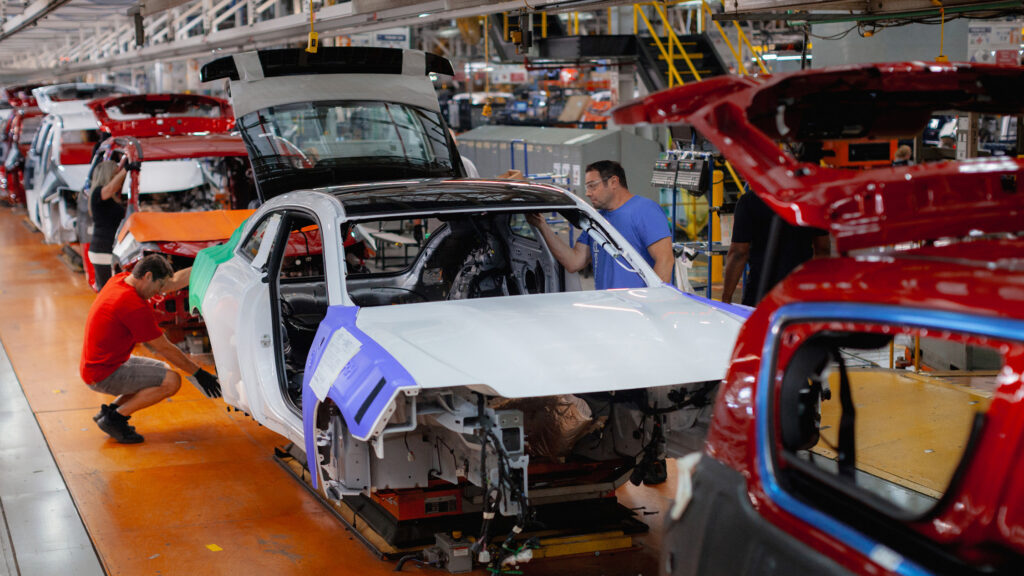
The USA is back in focus, even though the largest share of regional hiring actually fell to Mexico. Plants there are ramping up production with additional shifts, while US operations are adding engineers, support staff, and, subsequently, 5,000 factory workers over the next four years, linked to a $13 billion investment plan.
One of the most noticeable changes is what’s happening at the Auburn Hills tech center. It was reportedly looking half-empty recently. Now, the parking lots are filling up again, and the offices are buzzing with activity. This is a visible sign that Stellantis is trying to regain energy after a rather quiet period following the pandemic.
Focus on Quality and Engineers
A large part of the plan is hiring about 2000 engineers over the next few years. The goal is simple: fix the quality, which hasn’t always been a strong point for brands like Jeep and Dodge, improve products, and stop giving customers reasons to look the other way.
Not everything is perfect yet. Sales and profits still need work, and questions about the viability of lagging brands like Maserati and DS remain, so it’s not a full comeback story. But compared to the recent past, Stellantis is certainly moving in the right direction, investing in people and giving buyers the cars they want, including V8s that the old boss Tavares seemed determined to stifle.

This new phase of the company’s development indicates a deeper understanding that stable human capital is the foundation of innovation and customer trust. The growth of engineering teams could lead not only to improved quality but also to accelerated development of new technologies, especially in the context of electrification. The success of this strategy will depend on Stellantis’s ability to effectively integrate thousands of new employees into the corporate culture while simultaneously addressing the structural problems of less successful brands in its portfolio.