


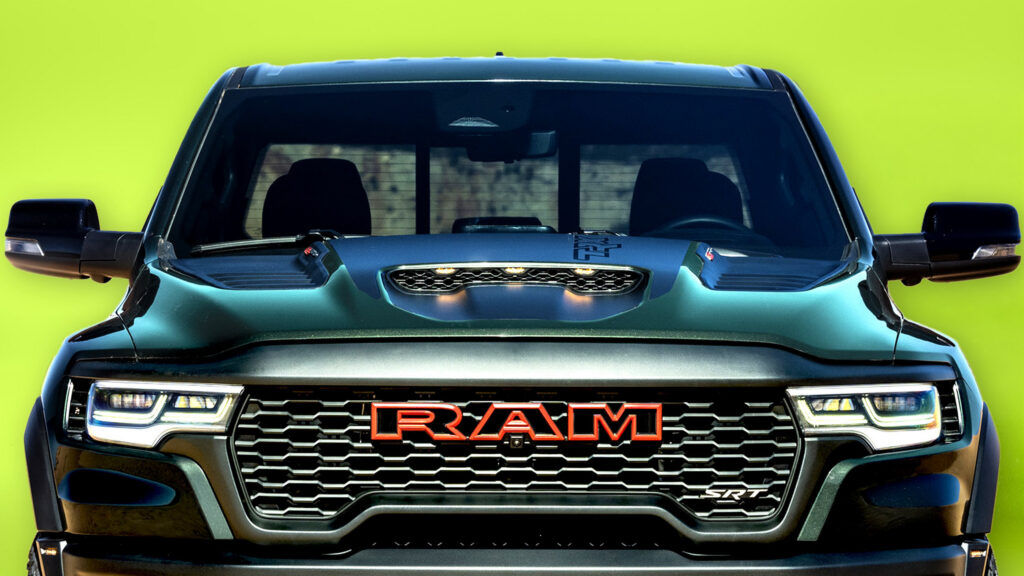
A Reputational Challenge and Strategic Reboot
Automakers can produce as many cars as they want, but if the public perceives them as cheap or low-quality, that reputation can stick. After some difficulties in this area, the Stellantis group is hiring around 2,000 engineers to combat quality issues. The brand’s CEO calls this a “deep reboot” against the backdrop of a new wave of models entering the market.
During a quarterly investor conference in February, CEO Antonio Filosa stated that Stellantis is restructuring its processes to address problems caused by previous operational decisions.
We are rebooting execution and enhancing quality management processes to resolve previous operational issues triggered by past decisions.
According to AutoNews, quality now plays a more prominent role in the automaker’s management structure. For example, Chief Quality Officer Sebastien Jacquet is part of Stellantis’s strategic management team. This signals a desire to ensure quality is part of the central business plan for all brands. However, it is also clear that the work being done there must reach the end customers.


Mixed Quality Research Results
Stellantis’s recent quality “report cards” have been uneven. In 2020, Dodge became the first domestic brand to top the J.D. Power U.S. Initial Quality Study and repeated this achievement in 2023. But the following year, the brand dropped to last place before returning to seventh place in 2025. Meanwhile, both Chrysler and Ram performed below average in the latest study, which measures problems reported within the first 90 days of ownership.
This is an interesting set of results, especially considering the vehicles in question. It is typically unusual to see consistent issues with older models. The Chrysler Pacifica and Dodge Durango fall into this category. On the other hand, it is not unusual for newer models, such as the recently updated Ram 1500, to have “growing pains” after launch.
When you launch new cars, when you fully update models, when you add new technologies, that’s when you have the most problems. If you look at automakers whose cars are very reliable, they are the ones that are very stable. They have platforms that continue to be used, they continue to use powertrains.
Some dealers believe these problems stem from cost-cutting under former CEO Carlos Tavares, which, in their opinion, reduced engineering resources.
In my view, it all probably comes back to engineering. When you make cuts like Tavares did and still want the same quality, it just won’t happen.


Reboot Based on Simplicity and Proven Solutions
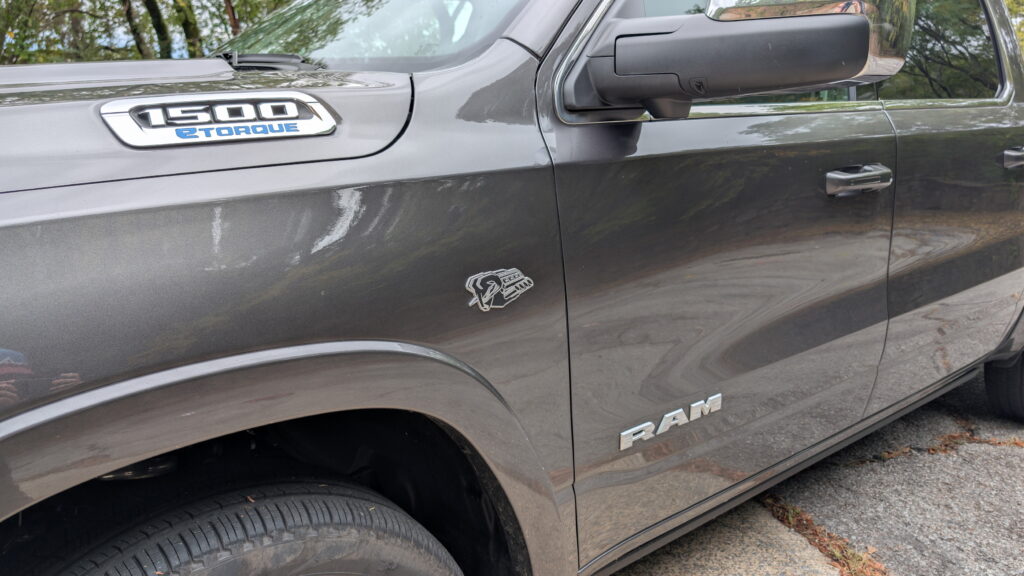
Moving forward, Stellantis is betting on simpler and proven technical solutions in some cases. The company recently brought back the long-lived 5.7-liter Hemi V8 engine in the Ram 1500, a move that some analysts believe could help stabilize reliability. Buyers have shown tremendous interest in this vehicle, despite it being less powerful, less fast, and overall less economical.
However, it is clear that Stellantis is trying to simplify production to ensure better quality and increase customer satisfaction. It now has an additional 2,000 colleagues on board to help in this endeavor.
The Stellantis story demonstrates a classic dilemma of the modern automotive industry: the balance between innovation, cost, and reliability. Returning to time-tested technical solutions like the Hemi engine may be a temporary measure while the company refines its processes for developing new technologies. The success of this “deep reboot” will depend not only on the number of new engineers but also on the ability to create a corporate culture where quality is prioritized at every stage—from the drawing board to the assembly line. Positive shifts in reliability ratings, especially for new electric and hybrid models, will be the best indicator that the changes are working.