


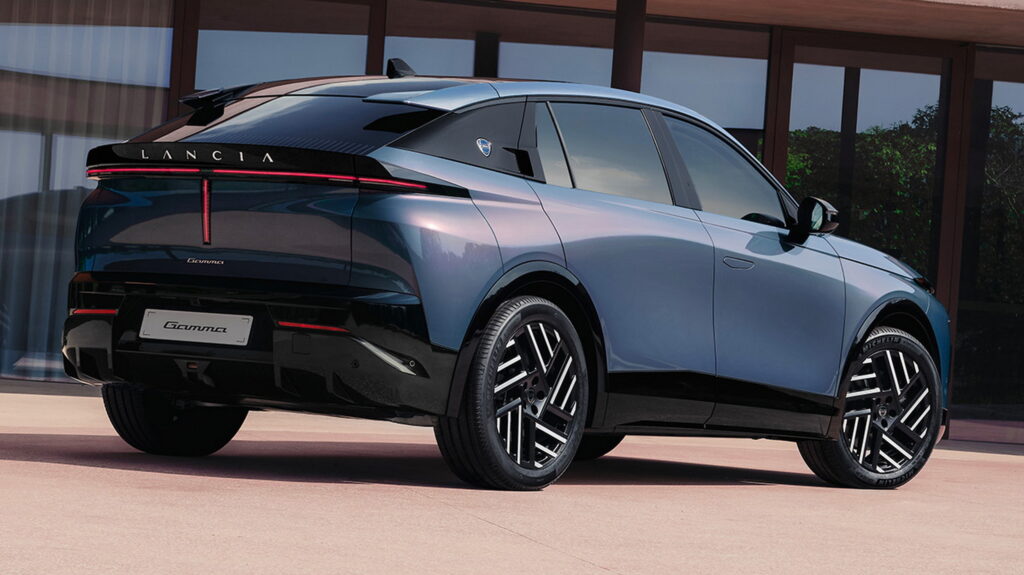
Stellantis promises unique design for each brand, but only four will get the money
Maintaining 14 brands is an expensive pleasure for an automotive company, and Stellantis understands this perfectly. The entire business model of the concern relies on shared platforms, powertrains, and technologies to maintain financial efficiency. Cost reduction and consolidation are the foundation of the strategy, however, the European head of the company insists: cars of different brands will become increasingly dissimilar, and design will play the main role in this.
More details: The new Fiat Pandina will have three seats, and the driver will sit in the middle
Recently, Stellantis presented a $70 billion plan that covers over 60 new models and another 50 mid-lifecycle updates. Many new products will be based on the STLA One platform, which the company calls “completely new,” rather than a development of the current STLA Medium, which, in turn, is an evolution of the EMP2 from the PSA era.
Four brands receive funding
Every Stellantis brand will participate in the new model wave, but only four of them have real influence on the allocation of research and development costs. Fiat, Jeep, Peugeot, and Ram have been selected to absorb 70% of the planned investments, setting the tone for all the others. So how will you distinguish these related models? The short answer is design.
Emanuele Cappellano, Chief Operating Officer for Enlarged Europe and European brands at Stellantis, spoke with Autocar about the future strategy. He noted that spending on new models will be directed precisely at changing design, and preserving the distinctive features of each brand is most important in mass segments where cars are most similar.
More details: Alfa Romeo brings back the hatchback that once saved the brand
Scott Kruger, who is responsible for the design of Chrysler, Dodge, Jeep, and Ram, made a similar statement regarding the company’s American brands. Affordable cars are the goal, but each brand must still have key attributes that make people want to buy it.
A matter of timing, not ranking
Cappellano explained the difference between global and regional brands in the current Stellantis portfolio:
We really don’t want to be misunderstood when we talk about what a global brand, a regional brand, or a specialist brand is. We are not ranking brands by importance. It’s about how we can be smart in allocating capital.
The main difference between a global brand and regional or specialist brands is only in the time of the first application of investments, he added. For example, with the STLA One platform for the B and C segments, Peugeot is the global brand. This means we first invest in launching a Peugeot model on this new platform, new electrical architecture, STLA Brain software, and new technologies like steer-by-wire.
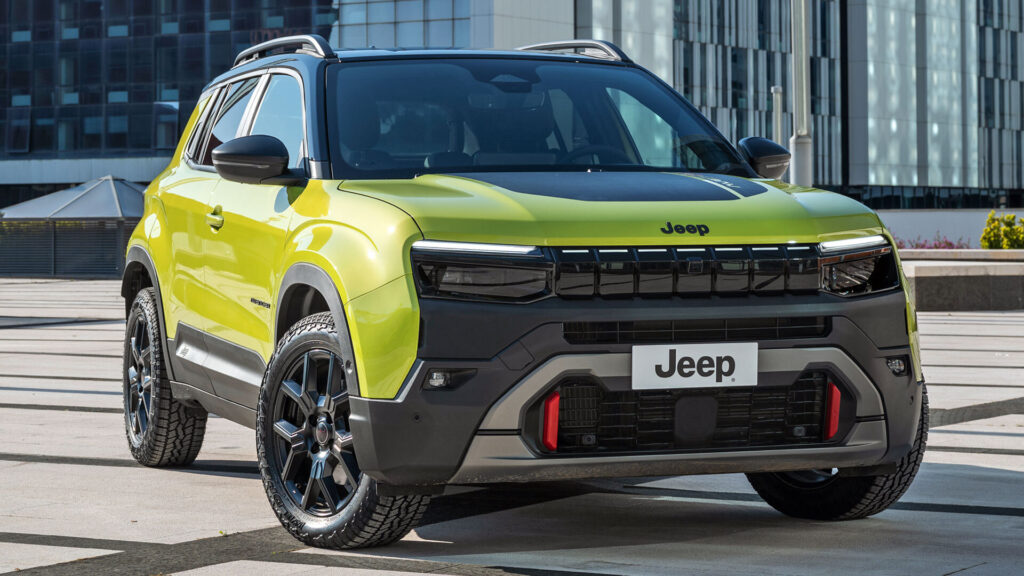

More details: Stellantis’ new Chinese partner challenges Xiaomi YU7
Meanwhile, we are working on subsequent launches on the same platform, where the main effort, from a capital expenditure point of view, is aimed at diversification — real diversification — of models and lineups, not just rebadging. That is, first the new Peugeot will appear, and after it, a new Vauxhall, which will not be a reworked Peugeot, then Alfa Romeo, Jeep, or something else, said Cappellano.
Simply put, each new launch from Fiat, Jeep, Peugeot, and Ram becomes a preview of what other Stellantis brands will receive in terms of specifications and technologies. Other brands follow them with their own interpretations of the same recipe, bringing their design language and core values, rather than turning into cases of banal badge engineering.
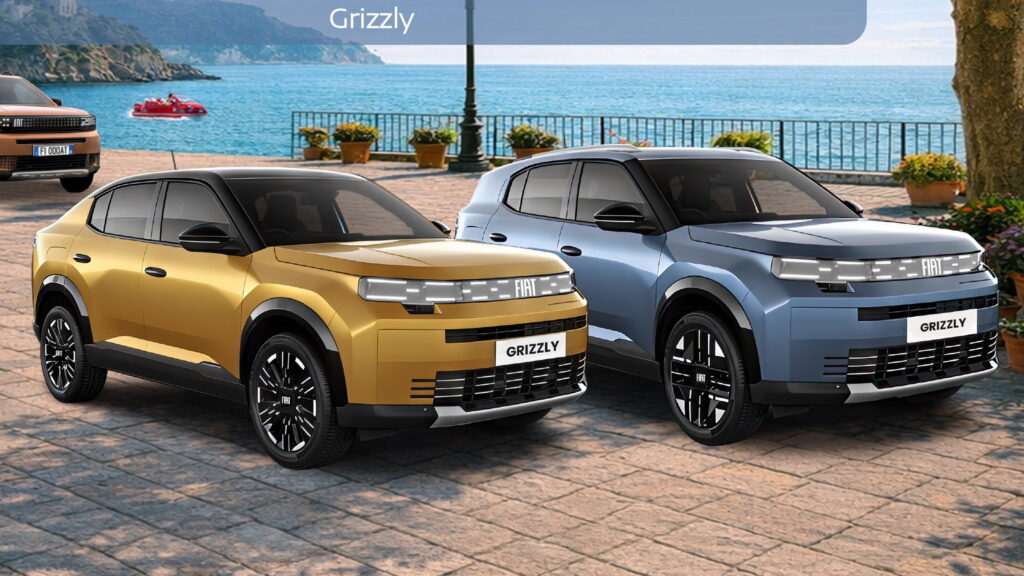

This approach allows Stellantis to focus core investments on four key brands that have the greatest global potential, while enabling other marques, such as Alfa Romeo, Lancia, or Vauxhall, to maintain their identity. It is a compromise between economies of scale and the need for differentiation in an oversaturated market. Whether this will be enough to convince buyers to pay more for cars that are technically twins, only time will tell, but the company is betting that the emotional component of design will prove more significant than the shared technical base.