


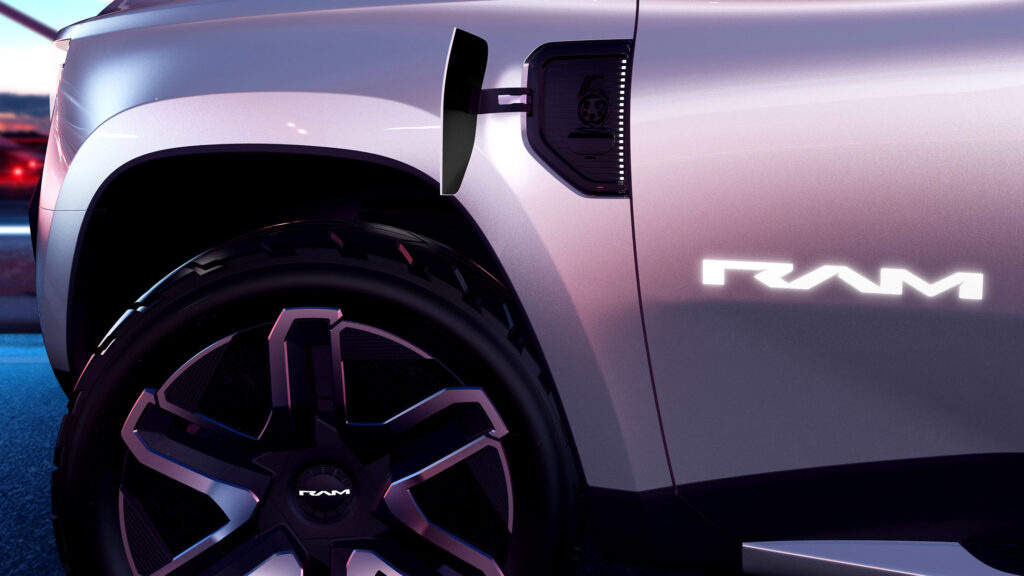
The Stellantis concern is making a sharp turn in its strategy, moving away from its focus on electric vehicles and betting on the “power of choice” concept. This change of course has already cost the company billions, and now it is selling its 49% stake in the NextStar Energy joint venture to LG Energy Solution.
A Large-Scale Project That Has Lost Relevance
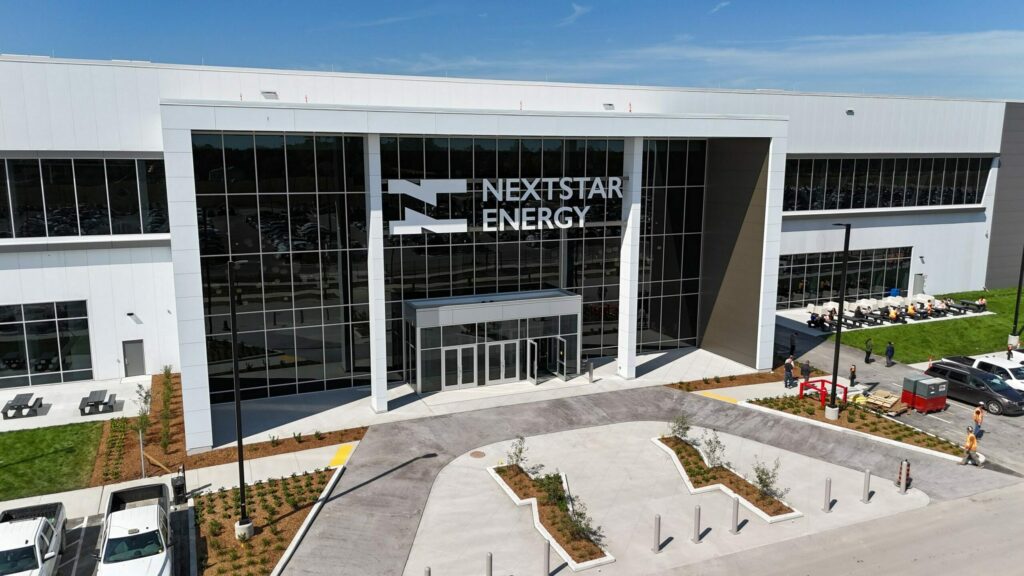
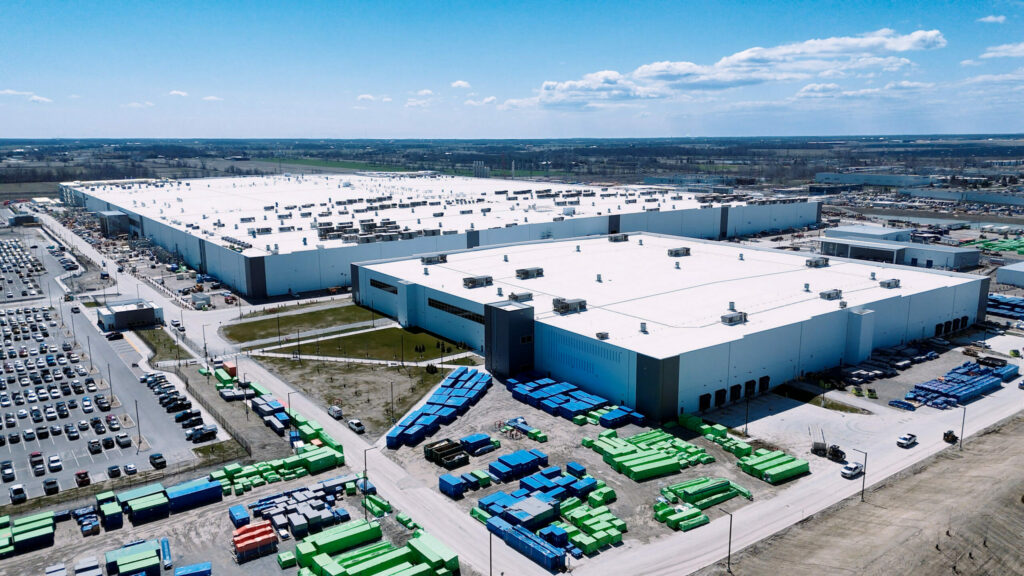
This step is particularly significant, considering the history of the NextStar Energy project. The joint venture was established in 2022 with the ambitious goal of creating Canada’s first large-scale battery cell production facility in Windsor. The plan envisioned creating about 2,500 jobs and an annual production capacity of over 45 gigawatt-hours.
Module production began in the fall of 2024, and mass production of lithium-ion cells started in November 2025. Despite investments exceeding $3.7 billion, much has changed since 2022.

Market and Regulatory Changes
The transition to electric vehicles is happening significantly slower than many automakers expected. Moreover, the Trump administration recently canceled federal tax incentives for electric cars. The situation is complicated by tariffs, so automakers are beginning to shift their focus away from electric transportation.
Stellantis did not provide many details, calling this step a “strategic decision” reached by mutual agreement. The company stated that it remains a “committed customer” and “will continue to purchase battery products from NextStar Energy.”
“By giving LG Energy Solution the opportunity to fully utilize the Windsor plant’s capacity, we are enhancing its long-term viability while ensuring battery supply for our electric vehicles. This is a smart, strategic move that supports our customers, our Canadian operations, and our global electrification roadmap,” said Stellantis CEO Antonio Filosa.
New Priorities for LG
These sentiments were echoed by LG Energy Solution CEO David Kim. He noted that the company sees growth opportunities in North America by locating a key production hub in Canada. Full ownership of NextStar Energy will allow for a quick response to the growing demand from the energy storage system market and play a key role in Canada’s electric vehicle industry, attracting new customers in North America.
However, despite the optimistic statements, according to reports, Stellantis sold its stake for only $100. This is a symbolic amount, especially considering the billions invested in the production site.
This deal vividly illustrates the profound transformation taking place in the automotive industry. The exit of one of the global giants from a large-scale battery production joint venture for a symbolic price indicates a radical reassessment of the risks and prospects of electric transportation in the short term. At the same time, LG Energy Solution, focusing on energy storage systems, demonstrates that battery technologies are finding new, perhaps more stable markets outside the automotive sector. The future of the Windsor plant will now depend entirely on its ability to adapt to these new conditions and demand from other industries.