



Uncertain Future of the Plant
The future of the large Canadian auto plant remains uncertain, but not necessarily finished. Months after Stellantis made the controversial decision to halt production at its site in Brampton, Ontario, the company states it remains interested in building cars there, even if it is not yet ready to announce which specific model will roll off the assembly line.
Change of Plans for Jeep Compass
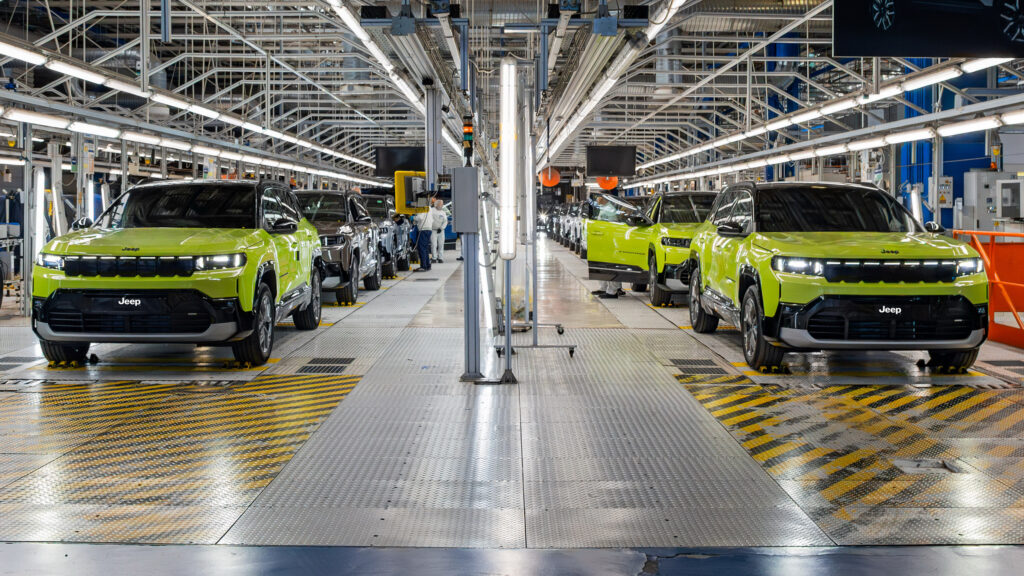
It was initially planned that the Brampton site would produce the new Jeep Compass; however, largely due to pressure from the Trump administration, Stellantis will now build that model at its plant in Illinois.
Issue of Government Funding
This sparked sharp criticism from the Canadian government, which immediately threatened Stellantis with a lawsuit, emphasizing that it had provided over 1 billion Canadian dollars (approximately 731 million US dollars) to help the automaker modernize the Brampton plant.

Statements from Stellantis Management
However, speaking at the Canadian International Auto Show, Stellantis Canada President and CEO Trevor Longley stated that the company wants to continue building cars in Brampton in the future as well.
The reality is that we want to build cars in Brampton. We have been in Canada for 100 years. We have been building cars in Canada for 100 years, and we want to continue building cars for the next 100.
Current Negotiations and Situation
According to Longley, Stellantis is engaged in “constructive dialogue with the federal government” and has provided benefits to the 3,000 workers laid off from the plant.
Currently, the Brampton site is idle, but Stellantis has increased production of the Dodge Charger and Chrysler Pacifica at its other plant in Ontario.
We are actually one of the only OEMs that built more cars in Canada last year than the year before, and we are going to do it again this year.
Recently, Stellantis hired 1,700 employees at the Ontario plant to support a third shift, as well as over 600 engineers for its Automotive Research and Development Centre in Windsor.


This situation vividly illustrates the complexity of global supply chains and political influence on the auto industry. The decision to relocate production, made under external pressure, jeopardizes significant investments and jobs created with the support of the national government. Statements about the desire to remain in the market for the next century sound optimistic but are not yet backed by concrete plans regarding a model that could justify the modernized capacity in Brampton. The success of negotiations with the government and the further fate of the plant will depend on Stellantis’s ability to find a balance between political demands, economic feasibility, and commitments to a country that has made significant financial investments.