 by
by Stellantis’s Plans for Chinese Electric Vehicles in Canada
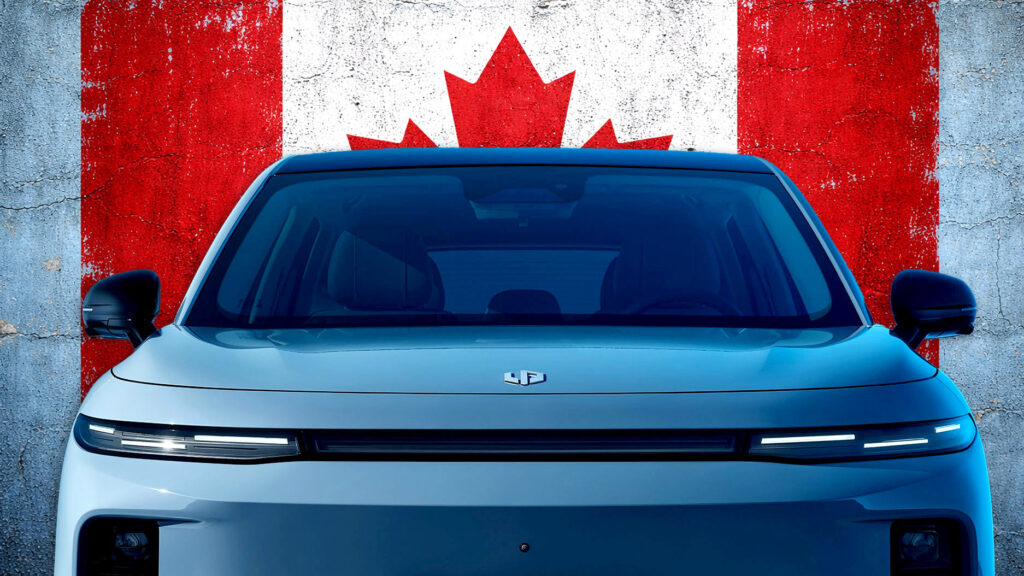
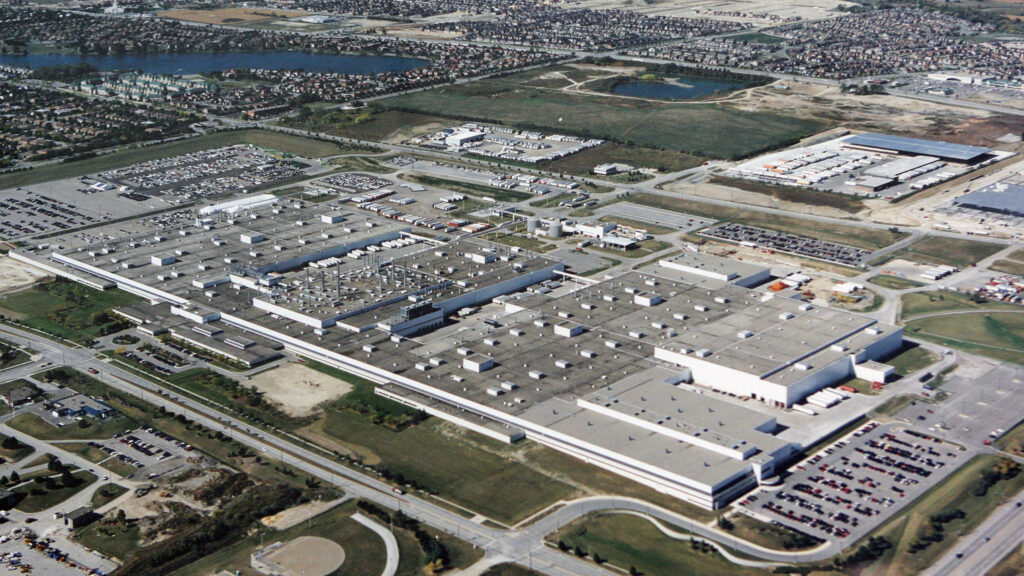
The Stellantis group is exploring the possibility of producing Chinese electric vehicles at its idled plant in Brampton, Ontario. This step could become China’s first major investment project in the Canadian automotive industry following the tariff reduction agreement for electric cars reached earlier this year.
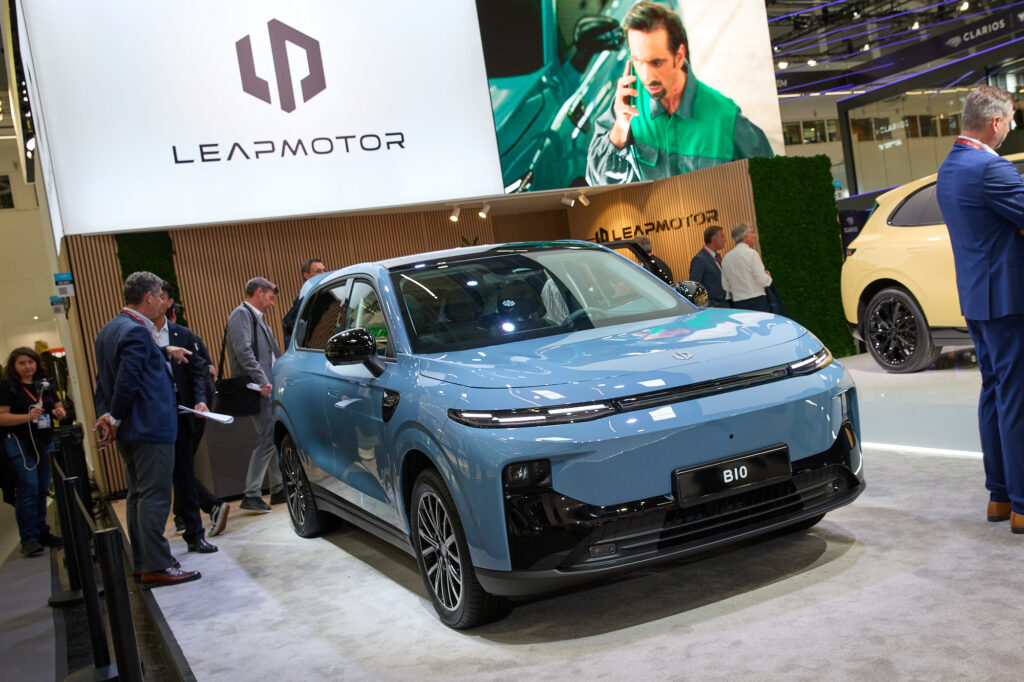
The Brampton plant was previously planned for the production of new Jeep models, but the project was frozen after production was moved to the USA due to tariff restrictions. Now the facility, which employs about 3,000 unionized workers, could be revived through a partnership with the Chinese brand Leapmotor, in which Stellantis already holds a stake.
Potential Benefits and Challenges
The idea is to establish local electric vehicle production, avoid high tariffs, and restart the plant’s capacity. In theory, this benefits everyone: companies gain market access, and Canadian workers get jobs.
Chinese cars are a “cancer” for our industry.
However, serious obstacles stand in the way of implementing these plans, particularly from the United States. The American administration has already warned about the possibility of imposing high tariffs if Chinese cars start entering its market through Canada. Former US President Donald Trump even discussed tariffs of up to 100% on Canadian goods in case of deepening cooperation with the Chinese auto industry.
Canada’s Position and Technical Details
Canadian officials are trying to find a balance. They are interested in investments, jobs, and reopening the plant, but insist that any deal must involve local suppliers and full-scale production, not just simple assembly of kits.
Chinese kits may be suitable for Brazil, but they are not suitable for hundreds of Canadian auto parts suppliers.
This is important because in other markets, Leapmotor and Stellantis are precisely taking the assembly route.
Leapmotor’s Success and US Reaction
Other North American brands may be concerned by this news, as Leapmotor is demonstrating rapid growth. The company has already supplied over 100,000 cars for four consecutive quarters. New models, such as the all-wheel-drive C10 AWD Sports+ crossover, offer 590 hp for a price of around $38,000 USD, making them very attractive. The brand’s key advantage is its own production of key components, which reduces costs.

For Stellantis, the Brampton plan is a fast track to more affordable electric vehicles, and for Leapmotor, it’s a ticket to the North American market. However, for the USA, it is a potential loophole they wish to close. For example, Ohio Senator Bernie Moreno is proposing a bill that strengthens President Biden’s ban on the sale of new Chinese cars in the USA, excluding even cars running on Chinese software.
Thus, Stellantis’s potential solution lies at the intersection of economic interests and geopolitical tension. The success of this project will depend not only on business logic but also on whether the parties can find a compromise between the desire for technological progress, protection of national markets, and job creation. The situation with the Brampton plant could become a test case for future similar alliances in the global auto industry.