


Strategic Shift for Stellantis
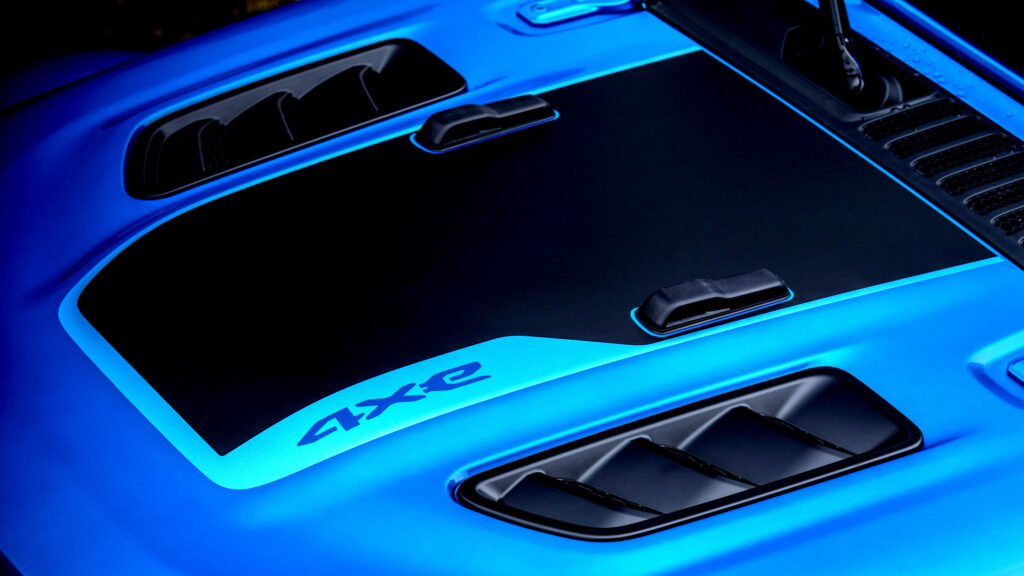
According to reports, the automotive conglomerate Stellantis is ceasing production and sales of all its plug-in hybrids in the North American market. This decision effectively puts an end to the eco-friendly models of brands such as Chrysler, Dodge, and Jeep in the region. However, the company notes that it will continue to offer customers conventional hybrids, fully electric vehicles, and extended-range vehicles.
Discontinuation of Key Models
A hint of the future decision was the quiet cancellation of the planned launch of the Jeep Gladiator 4xe plug-in hybrid last fall. At the time, the company explained this as a change in customer preferences regarding engine types and a reassessment of product strategy. This caused surprise, as other plug-in hybrids from the conglomerate, such as the Wrangler 4xe and Grand Cherokee 4xe, were among the most popular in their segment in the US.
A company representative confirmed the new strategy, stating:
“Given the change in customer demand, Stellantis will discontinue plug-in hybrid programs in North America, starting with the 2026 model year, and will focus on more competitive electrified solutions, including hybrids and extended-range vehicles, where they best meet customer needs.”
Implications for the Model Lineup
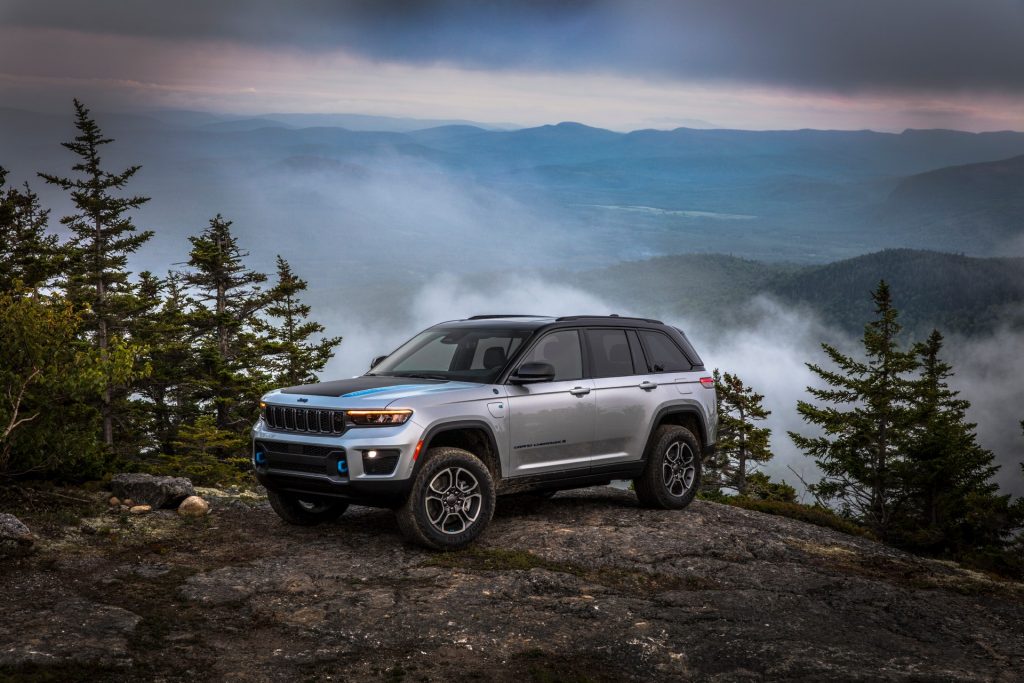
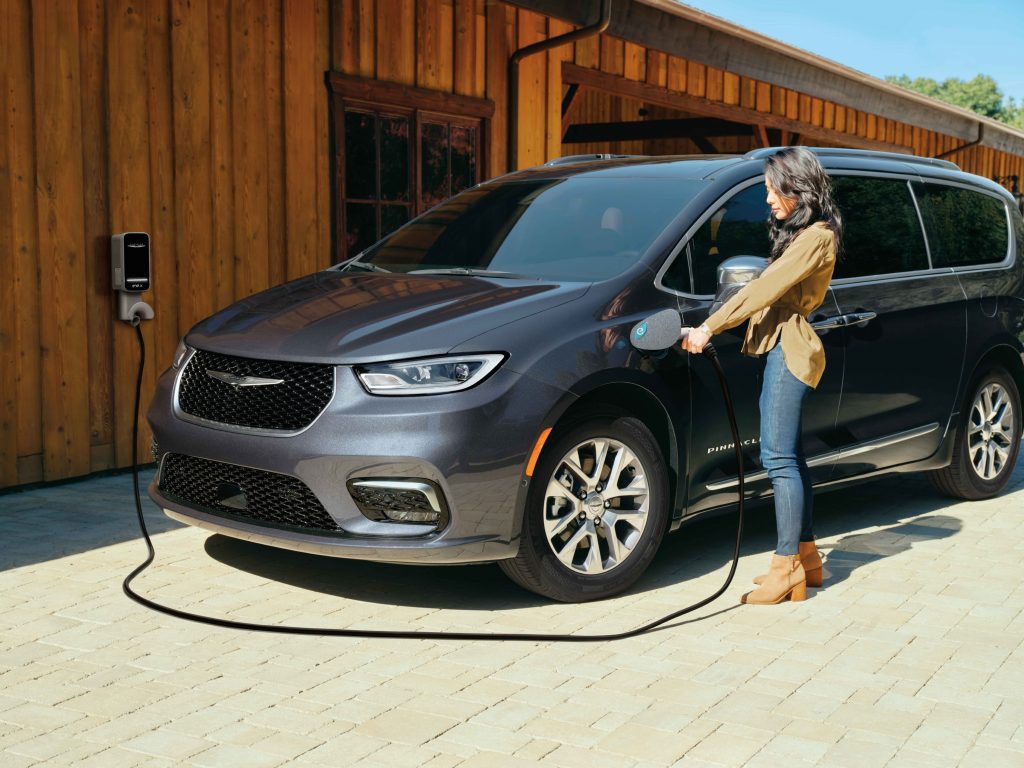
This change has serious consequences. It means the end not only for the Jeep Wrangler 4xe and Grand Cherokee 4xe, but also for the Chrysler Pacifica Hybrid minivan. The plug-in version of the Dodge Hornet is also most likely to be canceled, which is not a complete surprise, considering that the technologically similar Alfa Romeo Tonale for 2026 has already been stripped of its hybrid version.

Hidden Reasons for the Decision
Although demand is cited as the official reason, other factors likely exist. Jeep plug-in hybrids have been subject to multiple recalls due to fire risk, and sales of new models were suspended by a corresponding order. These vehicles, despite commercial success, have caused the company considerable trouble, and it seems management has decided to put an end to it.
This is somewhat unfortunate, as the technical specifications, as in the case of the Wrangler 4xe, were quite compelling: a turbocharged 2.0-liter engine, a 17.3 kWh battery, and an electric motor provided a combined output of 375 hp and about 35 kilometers of all-electric range.

Commitment to Electrification Remains
It is important to note that Stellantis is not abandoning its course towards electrification in general. On the contrary, the company is emphasizing other technologies. The updated Jeep Cherokee has already received a standard hybrid powertrain with a 1.6-liter turbo engine. Furthermore, work continues on creating extended-range versions for the Grand Wagoneer and the Ram 1500 pickup, indicating a search for alternative paths to eco-friendly transportation.
This step by Stellantis reflects the dynamic nature of the automotive industry, where technological trends can change rapidly under the influence of market demand, regulatory requirements, and practical operating experience. The move away from plug-in hybrids in North America could be a signal for other manufacturers also evaluating the effectiveness of various types of electrified powertrains in different regions of the world. At the same time, focusing on hybrids and extended-range vehicles may be an attempt to offer technologies that better balance environmental friendliness, practicality, and the absence of range anxiety, which remains a key barrier to the mass adoption of fully electric models.