


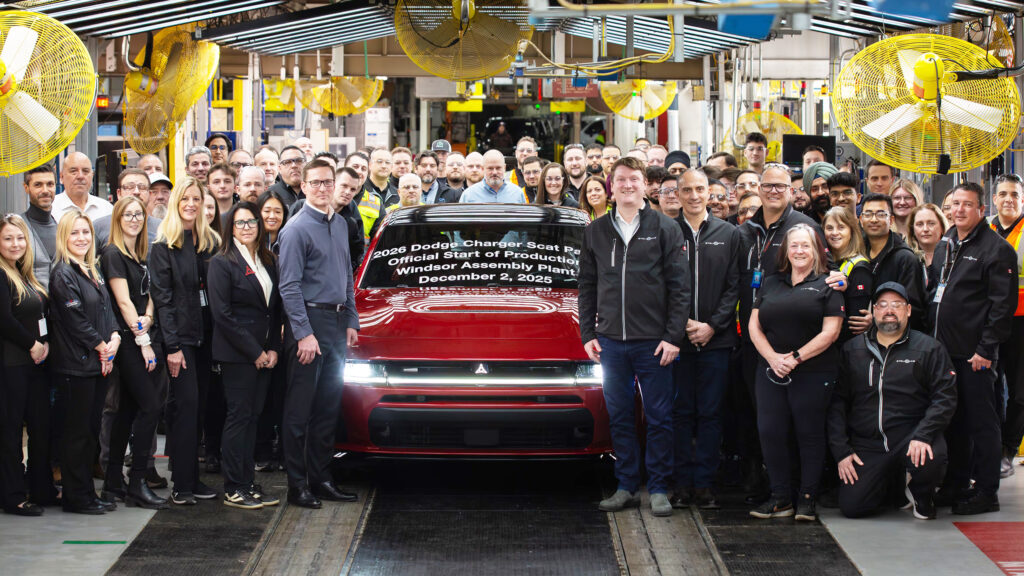
Stellantis Expands Production in Windsor
The Stellantis group has hired 1,700 new employees to introduce a third work shift at its plant in Windsor, Canada. This production site assembles the Chrysler Pacifica minivan and the Dodge Charger model. This decision indicates significant demand for these vehicles, despite the fact that the new generation Charger no longer has the iconic status of its Hemi-engine predecessor, and the Pacifica is awaiting an update.
Context of Canadian Investments
Stellantis recently came into focus in Canada due to a controversial decision to cancel plans to produce the new Jeep Compass at local facilities in favor of a plant in Illinois, USA. This step prompted demands from the Canadian government for the return of hundreds of millions of dollars in financial support previously received by the automaker.

Plans and Delays for the Third Shift
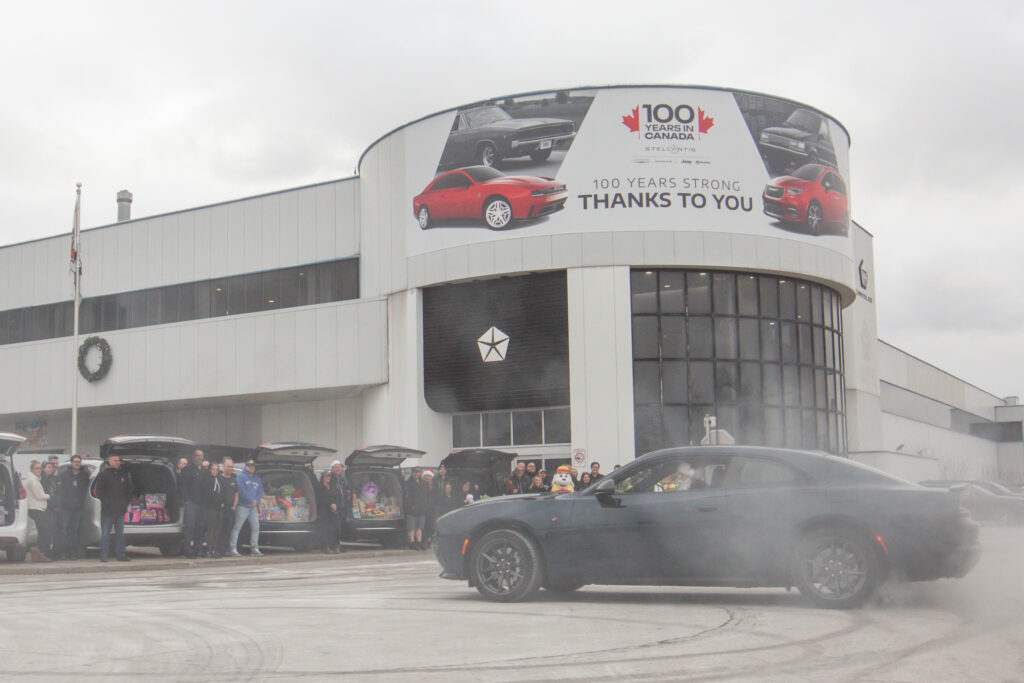
The idea of adding a third shift in Windsor emerged after the new collective agreement was signed in 2023. Initially, the return to three shifts was planned for the end of 2025 but was postponed to the current month. The plant has not operated in this mode since 2020.
Charger Sales and the Role of Sixpack
Currently, only two models are produced at the plant. The new electric Dodge Charger has sparked controversy and is not showing the same sales volumes as its internal combustion engine predecessor. For example, last year, only 7,421 electric Chargers were sold compared to 34,754 old models in 2024.
One of the key factors in the growing interest has been the appearance of the Charger version with a bi-turbo six-cylinder engine, named Sixpack. This model is helping to restore sales momentum for the lineup.


Stability of the Chrysler Pacifica
The Chrysler Pacifica, despite stiff competition from the Toyota Sienna, Honda Odyssey, and Kia Carnival, remains popular. Last year, 110,006 units were sold in the USA, which is 2% more than the previous year.
Creation of New Jobs
As stated by the president of the local Unifor 444 union branch, James Stewart, adding the third shift has led to the creation of 1,700 new jobs at the plant. He noted that, despite certain challenges and Stellantis’s controversial decisions in Canada, the company has fulfilled its commitment to expansion, which is an important event for both current and new employees.
Stellantis’s decision to expand production specifically at this plant can be seen as a strategic step to balance its presence in North America after recent disputes with the Canadian government. The success of the Pacifica and the potential of the Charger Sixpack show that even in segments undergoing transformation, traditional products can find their audience. This also demonstrates how local investments and job creation can be linked to global corporate strategies, often balancing between different markets and political conditions.