


Financial Results and Strategic Shift
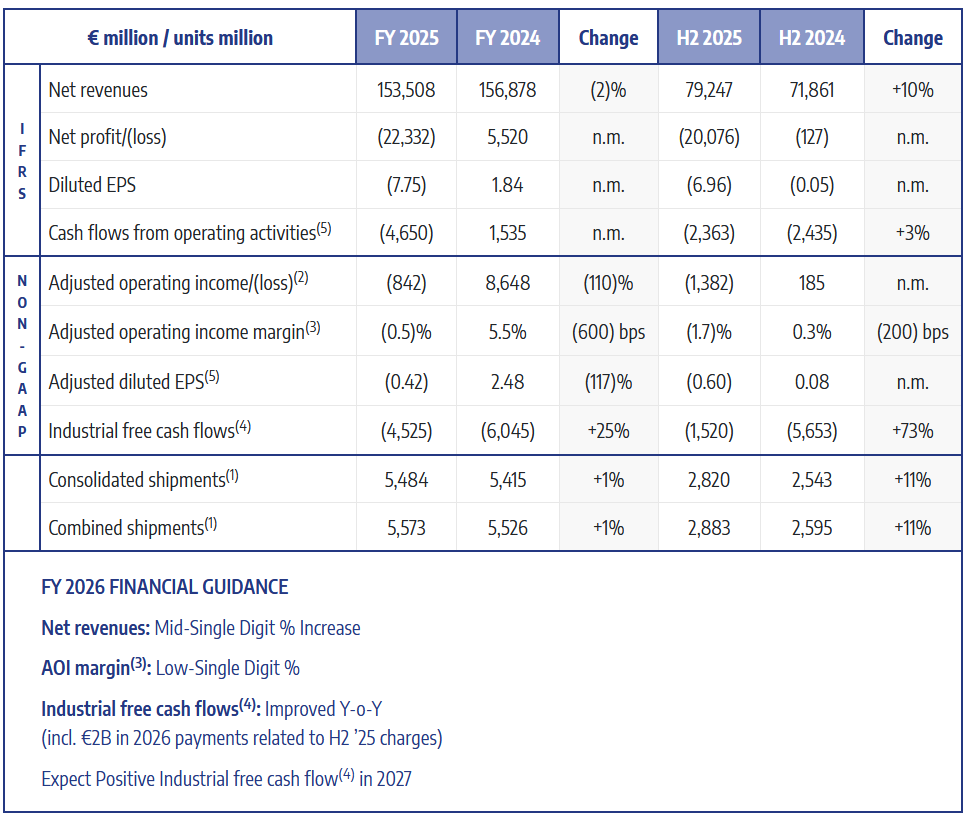
Stellantis has published its financial results for 2025, and they look alarming. The headline figure is a loss of 22.3 billion euros, equivalent to $26.3 billion. This sharp turn looks even more striking against the backdrop of a 5.5 billion euro profit in 2024, which itself was already 70% lower compared to 2023. In two years, the company has gone from profitability to deep losses.
The group explains the losses as “unusual expenses” of 25.4 billion euros, primarily related to what it calls a “profound strategic change to align with customer preferences.” Simply put, Stellantis overestimated how quickly the market would transition to electromobility and is now paying for the recalibration.
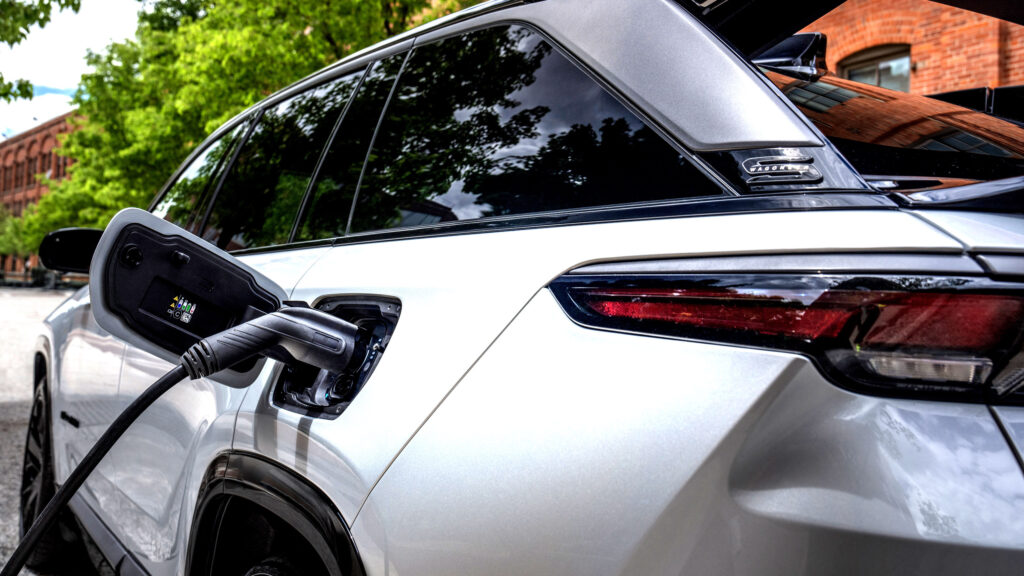
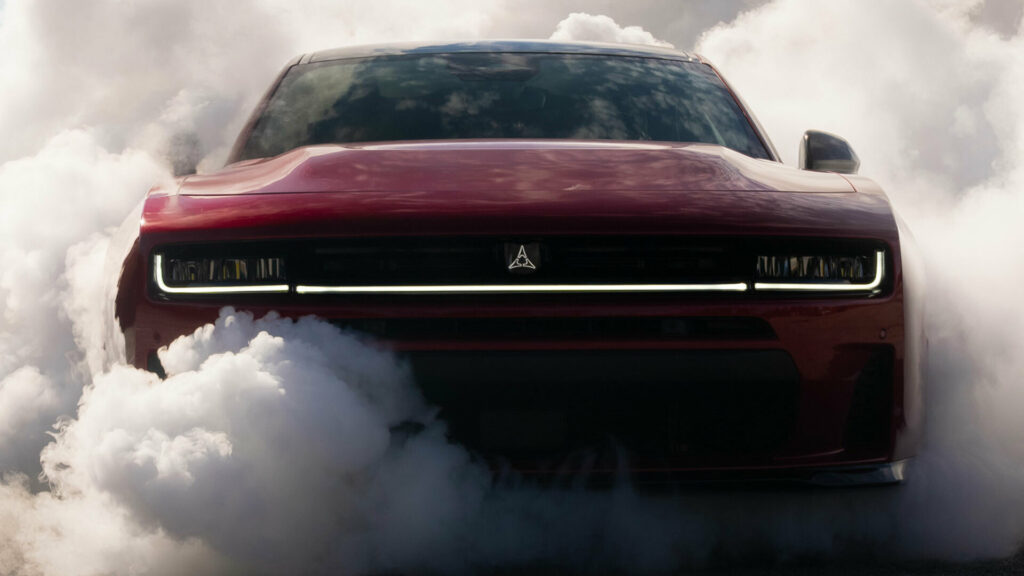
However, this is only part of the story. It’s not just that customers were slow to adopt electric vehicles. Several of Stellantis’s electric projects themselves, particularly in the US, failed to meet expectations. Models like the Dodge Charger Daytona EV and Jeep Wagoneer S were high-priced but failed to convincingly surpass established competitors.
Stellantis made a big bet on electric vehicles, now it’s betting on the engine Europe gave up
In any case, this recalibration means the cancellation of several electric models under development, mainly for the US market, and a new emphasis on high-margin internal combustion engines. The most notable example is the return of the HEMI V8 engine in North America.
In Europe, diesel and gasoline options with mild hybridization are returning to the lineup of several current and future models, including the now-deferred replacements for the Alfa Romeo Stelvio and Giulia.

Management Commentary and Future Plans
“Our full-year 2025 results reflect the cost of misjudging the pace of the energy transition and the need to reboot our business around our customers’ freedom of choice across the full spectrum of electric, hybrid, and internal combustion technologies,” said Stellantis CEO Antonio Filosa.
“In the second half of the year, we began to see the first positive signs of progress with early results from our work on improving quality, the clean execution of our new wave of product launches, and a return to revenue growth. In 2026, our focus will be on continuing to close past execution gaps, adding further momentum to our return to profitable growth.”
Financial Measures and Indicators
Financial pressure forced the board of directors to suspend dividends for 2026 and approve the issuance of up to 5 billion euros in hybrid bonds to support liquidity. Free cash flow from operating activities remained sharply negative at 4.5 billion euros, although this is 25% better than the previous year.

Net revenue amounted to 153.5 billion euros, down 2% year-on-year. This decline is attributed to unfavorable currency exchange rates and a drop in net prices in the first quarter of 2025, which always negatively impacts the bottom line.
The group reported an adjusted operating loss of 842 million euros. However, the second half of the year showed signs of stabilization. Revenue grew by 10%, and deliveries increased by 11% as inventories normalized. Stellantis also emphasized that the second half of 2025 was the first six months for the renewed management team, clearly signaling that the worst may be behind.
Delivery Dynamics and Market Reaction
Total deliveries for 2025 reached 5.573 million vehicles, 1% higher than the previous year. This allows Stellantis to remain in fifth place globally by volume, trailing Toyota, Volkswagen Group, Hyundai Motor Group, and General Motors.
The dynamics were stronger in the second half of the year, where deliveries amounted to 2.883 million units, an 11% increase compared to the second half of 2024. The main driver was North America, which saw a 39% growth in the second half as inventories returned to more normal levels and demand improved.
However, investors appear less convinced. According to Reuters, Stellantis shares have fallen more than 30% this year, reaching their lowest level since the merger of PSA and FCA in 2021.

The events surrounding Stellantis clearly demonstrate the complexity of the global automotive industry transformation. The company is caught between massive investments in a future that has not yet arrived and the need to meet current demand, which remains conservative. Its decision to sharply change course, focusing on hybrids and traditional engines, is indicative of the entire industry facing similar challenges. The success of this strategy will depend not only on operational efficiency but also on the ability to timely respond to future changes in regulations and consumer preferences, which could accelerate again. Financial markets, judging by the stock decline, are currently assessing this maneuver with caution, waiting for more concrete signs of profitability recovery.