


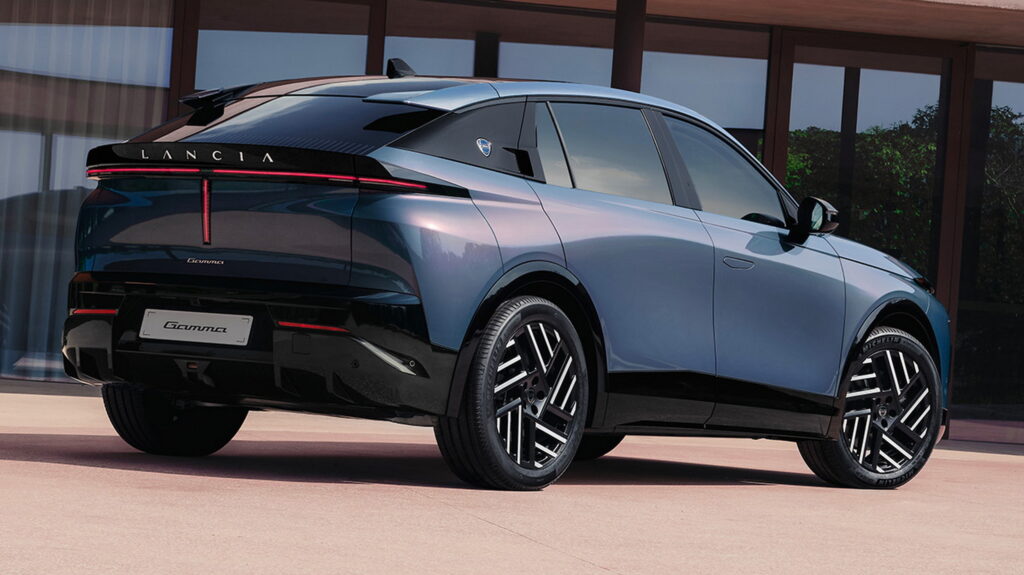
Stellantis bets on design to avoid ‘lazy’ rebranding
Automotive giant Stellantis, which unites 14 brands, is planning a massive investment program. To avoid a situation where different models look like simple copies of each other, the company is placing its main emphasis on design. European management assures that future cars will have clear visual differences, even if they are built on shared platforms.
$70 billion plan and new platforms
Stellantis’ recently announced plan totaling around $70 billion includes the launch of over 60 new models and another 50 mid-lifecycle updates. Many of the new vehicles will be built on the STLA One platform, which is described as “completely new” rather than just a development of the current STLA Medium, which itself is an evolution of the PSA-era EMP2 platform.
More: New Fiat Pandina will have three seats, with the driver sitting in the middle
Four leaders and the rest
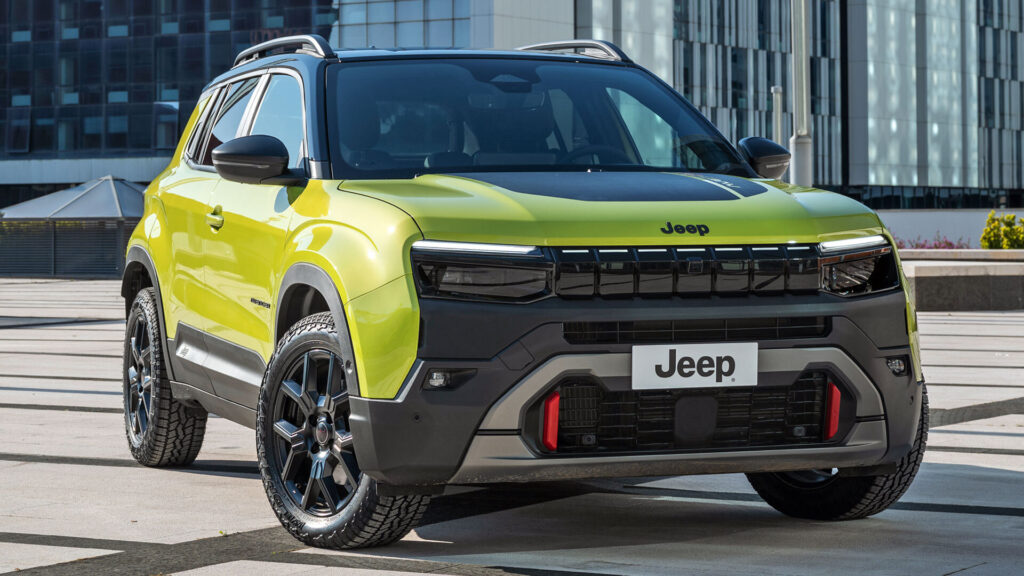
Although all Stellantis brands will participate in the new wave of models, only four of them will have an advantage in research and development spending. Fiat, Jeep, Peugeot, and Ram have been selected to absorb 70% of the planned investments, setting the tone for the rest. The answer to the question of how sibling models will be distinguished is simple: design.
Differentiation strategy: management’s view
Emanuele Cappellano, Chief Operating Officer of Stellantis for the Greater Europe region and European brands, explained their future strategy to Autocar. He noted that investments in new models will be directed towards design changes, and preserving the distinctive features of each brand is crucial, especially in mass-market segments.
More: Alfa Romeo brings back the hatchback that once saved it
Scott Kruger, responsible for the design of Chrysler, Dodge, Jeep, and Ram, recently made similar comments regarding Stellantis’ American brands. He said that while their goal is to create affordable cars, they must also focus on the core product attributes that make each brand desirable.
Cappellano explained the difference between global and regional brands in the current Stellantis portfolio:
“We really don’t want to be misunderstood when we talk about what a global brand, a regional brand, or a specialized brand is. We are not ranking brands by importance. It’s about how we can be smart in terms of capital allocation.”

Time difference in investments
The senior executive continued:
“The main difference between a global brand and regional and specialized brands is only in the timing of the first application of investments. For example, with the STLA One platform for B- and C-segments, the global brand is Peugeot. This means that we first invest in launching a Peugeot model on this new platform, new electrical architecture, STLA Brain software, and new technologies such as steer-by-wire.”
More: Stellantis’ new Chinese partner challenges the Xiaomi YU7
“Meanwhile, we are working on subsequent launches on the same platform, where most of the effort, from a capital expenditure point of view, is directed towards diversification – real diversification – of models and the lineup, not just rebranding. So first you will see a new Peugeot, and after that, a new Vauxhall which is not a rebadged Peugeot, then an Alfa Romeo, Jeep, or something else.”
Conclusion: not rebranding, but genuine diversity
In other words, each new launch from Fiat, Jeep, Peugeot, and Ram will be an excellent indicator of what to expect from the rest of the Stellantis brands in terms of specifications and technologies. Other brands will follow with their versions of the same “recipe,” infusing it with their own language of style and key values, rather than just using badges.
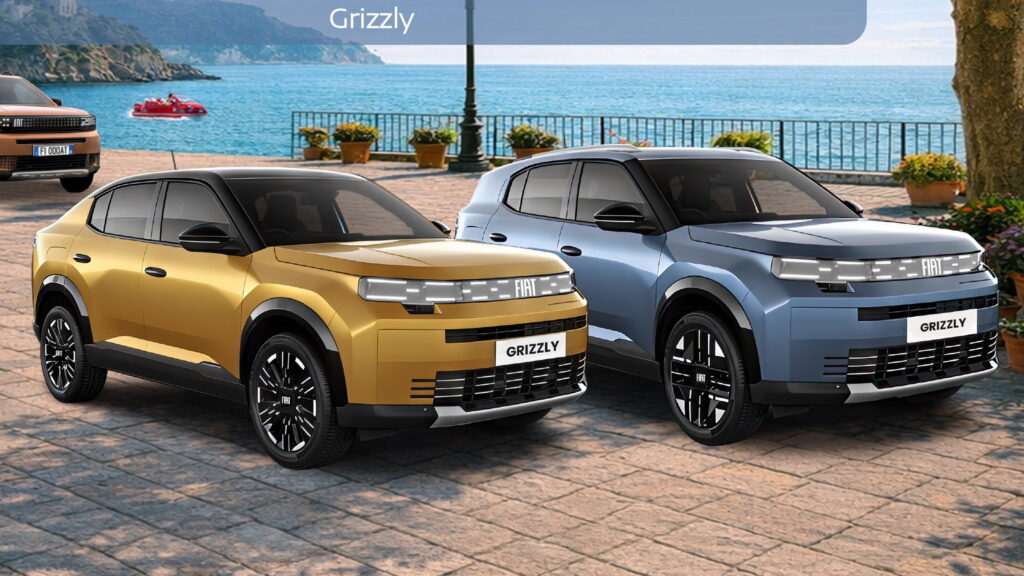

This approach allows Stellantis to effectively use shared platforms for cost savings while maintaining the uniqueness of each brand. This is especially important in a highly competitive environment where consumers expect not just technical content but also emotional appeal and recognizability. The decision to focus on design as the main tool for differentiation could be the key to success, as it helps avoid “cannibalization” of sales among its own brands and creates a clearer positioning for each marque, from mass-market Fiat to premium Alfa Romeo.