 by
by Shocking Violation Numbers in Washington
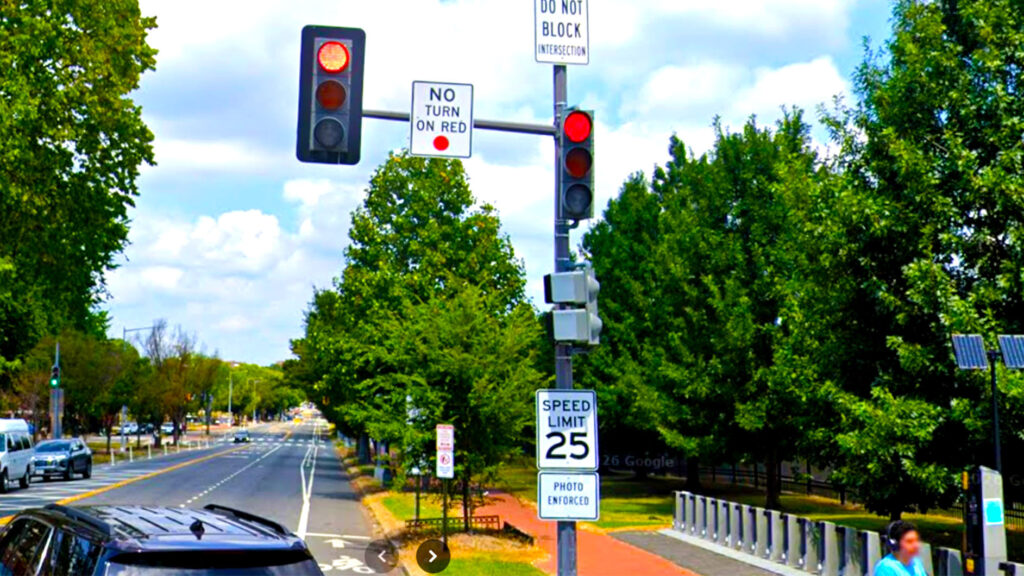
Speeding fines are intended to force drivers to slow down and increase safety, not just to replenish the budget. However, in the US capital, Washington, D.C., some drivers seem to treat speed cameras as a loyalty program, accumulating an incredible number of fines. One of them even racked up over 250 thousand dollars in fines, and he is not the only one doing this.
The Problem of Interstate Violation
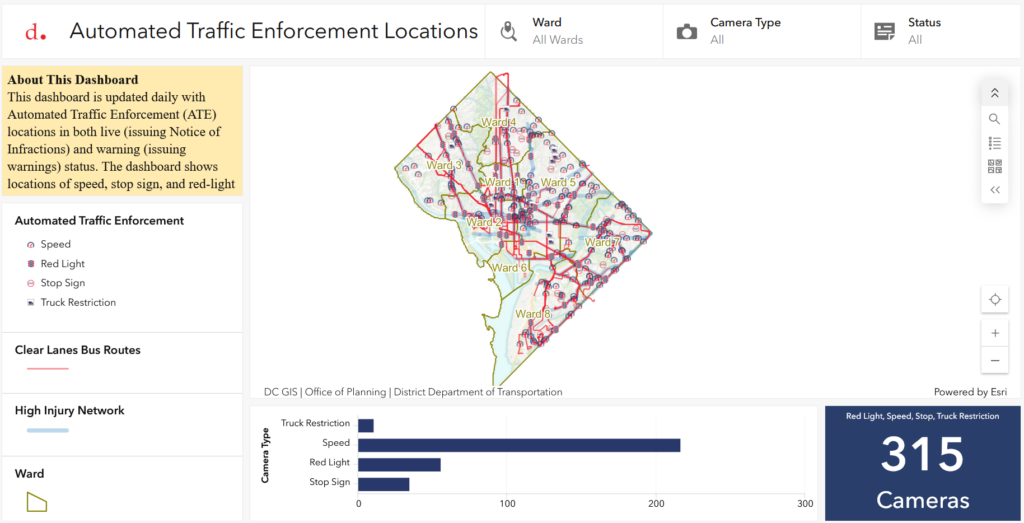
Despite its compact size, Washington has quite a few speed cameras installed. The main problem is that local authorities can issue fines, but cannot forcibly collect them from drivers registered in neighboring states, such as Virginia or Maryland. Although the most persistent offenders make up less than one percent of all cases, according to data from 2019, they are responsible for approximately 30% of fatal accidents in the city.
One of the most shocking cases involved a Honda CR-V recorded at a speed of 151 miles per hour exiting Interstate 695. The car’s owner from Virginia already had 197 unpaid fines.
Record-Holders Among Offenders
A driver of an Audi with Maryland license plates received 891 speeding fines totaling $259,214. This car is still driving on the roads and has received 18 new fines just this month. A Hyundai with Virginia plates racked up 689 fines. Another car with a debt of $293 thousand was towed earlier this year for non-payment. Currently, towing is almost the only means of enforcement available to the district administration.
Geography of Offenders and Legislative Initiatives
Among the 103 vehicles with the highest number of fines in Washington for fiscal year 2025, 67 had Virginia license plates, another 25 had Maryland plates. Only three were registered in the District of Columbia itself. Currently, legislators in Maryland and Virginia are considering bills that would finally allow interstate collection of fines. The district has also begun filing lawsuits against persistent offenders, having already won cases totaling over $600 thousand. If neighboring states begin to support Washington’s initiatives, the situation may finally change.
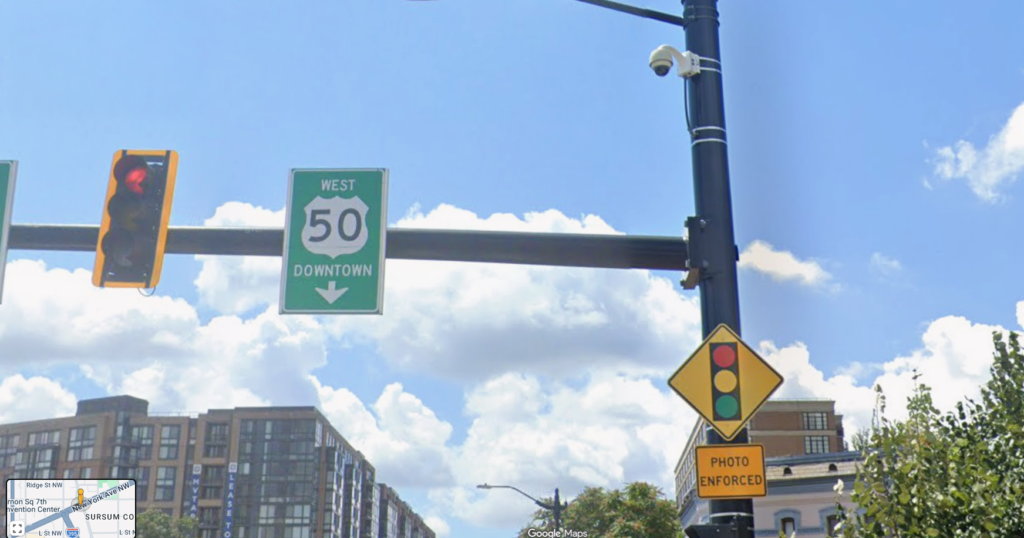
This situation vividly illustrates a systemic problem where administrative borders become an obstacle to ensuring law and order on the roads. The scale of unpaid fines indicates not only the indifference of individual drivers but also an urgent need for a coordinated cross-regional policy. The success of the district’s lawsuits may set a precedent that will force other jurisdictions to reconsider their approach to cooperation in combating unscrupulous car owners for whom the state border has become a shield from responsibility.