


Iowa’s phone ban law: Did it really prevent hundreds of crashes?
A year after Iowa’s law banning phone use while driving took effect, new data from Nationwide Insurance and Cambridge Mobile Telematics (CMT) suggests that drivers are interacting with their phones less. This is encouraging news, yet a closer analysis of the study reveals several unresolved questions that make its headline conclusions less clear-cut than they initially appear. Let’s examine what we know and what we don’t.
What the data actually shows
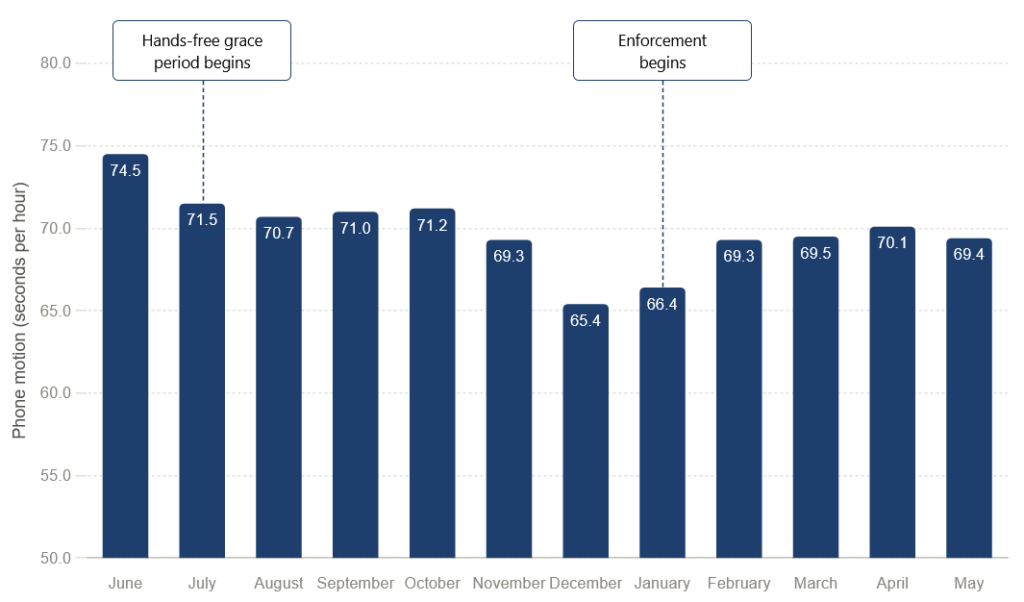
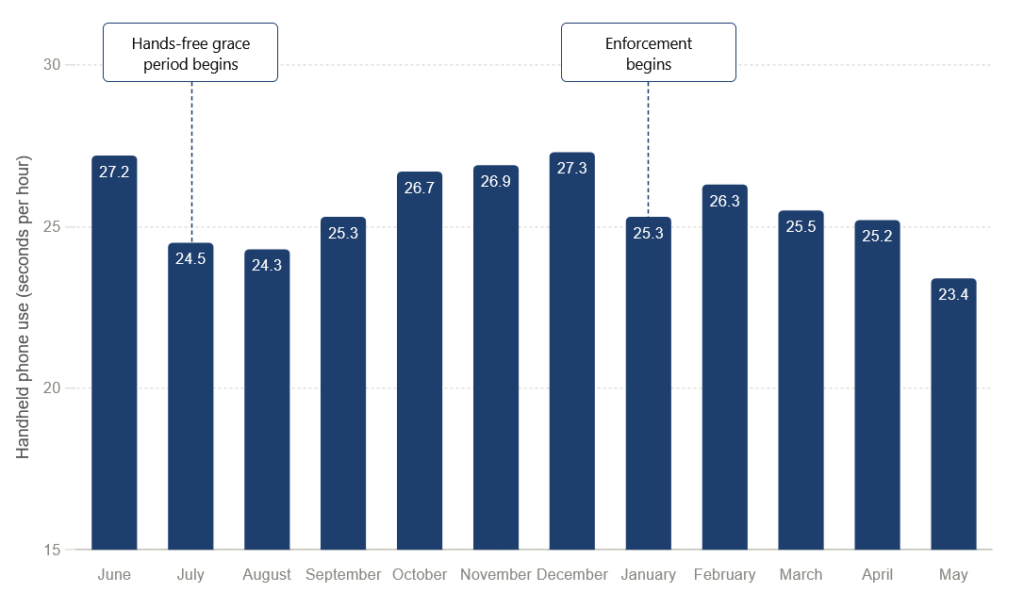
According to the companies, CMT analyzed over 140 million trips between July 2025 and May 2026. It found that phone motion-related distraction decreased by 6.9%, and handheld phone calling decreased by 6.2%. Nationwide customers who voluntarily use the SmartRide program showed even greater reductions, including a 13.6% decrease in screen touches after the law was fully enforced. Yes, the program tracks how often drivers touch the screen while driving, but that’s a separate issue.
An error margin of 20%
The study suggests that these behavioral changes prevented approximately 470 crashes, 210 injuries, three fatalities, and over $20 million in economic losses. However, this figure is not based on the actual number of crashes. Instead, it was modeled using historical crash data from Iowa and federal estimates of economic impact.
When Carscoops inquired about the methodology, CMT acknowledged that the analysis did not account for factors such as weather, traffic intensity, fuel prices, or broader economic conditions. All of these factors can influence driver behavior. The company also clarified that the claimed 470 prevented crashes have a 20% margin of error. Read that number again, and then consider how confidently it should be cited.
How representative are the data?
Perhaps the biggest unknown is how representative this data is. While CMT analyzed 140 million trips, neither company could specify how many unique Iowa drivers made these trips or what percentage of the state’s drivers they represent. This is an important clarification, as millions of trips do not necessarily equate to a broad sample of drivers.
Encouraging, but not proof
None of this means Iowa’s phone ban law isn’t working. Previous state data on crashes involving electronic device use points to a positive trend. The Nationwide customer data and the broader CMT analysis also point in the same direction. However, until the sample size and methodology become more transparent, this study is best viewed as compelling evidence of changing driver behavior rather than definitive proof of the law’s overall safety impact.

It’s worth noting that similar studies often face challenges in collecting accurate data. For instance, drivers may change their behavior knowing they are being observed (the observer effect), or they may use other devices that are not tracked. Additionally, economic and social factors, such as the rise of carpooling or changes in public transit usage, could also have influenced the overall number of crashes. Therefore, while the trend looks positive, more comprehensive studies accounting for all possible variables are needed for definitive conclusions.