


The new car market is observing a number of important trends:
Price Stability and the Role of Incentives
Despite rising oil and gas prices, new car prices are holding relatively steady. One reason is that manufacturers are once again allocating more funds to support sales. Incentives are increasing, which helps lower the real transaction prices for buyers. This situation persists even as refreshed versions of bestsellers like the Toyota RAV4 are launched.
Over the past year, manufacturer discounts, special finance offers, and favorable lease terms have returned on a regular basis. During the most acute supply shortage, manufacturers had no reason to negotiate. Inventories were limited, and demand was high. However, this situation is changing. Dealer lots are filling up, and companies are making more effort to maintain high sales rates.
The Impact of Incentives on Pricing


Production has stabilized across most of the industry, so buyers have more options on the ground. With more cars to choose from, the emergency that drove prices to unprecedented levels has dissipated. To avoid vehicles sitting for too long, brands are reintroducing cash bonuses and competitive finance rates, especially for high-volume SUVs and pickups.
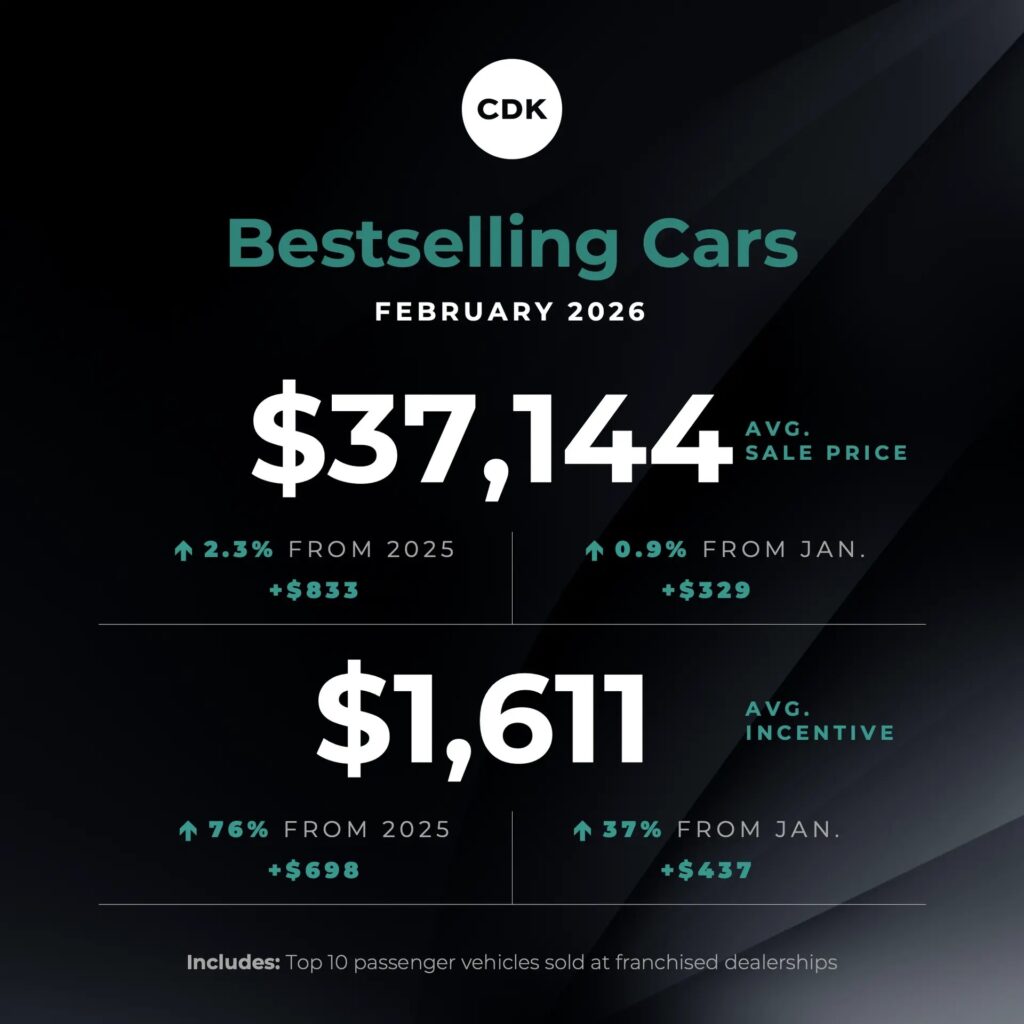
In February, average incentive spending was $1,611, which is 34% higher than in January and a full 76% higher than in February 2025, when average incentive spending was only $698.
With the return of incentives, average transaction prices continue to rise, although the actual availability of cars is improving. According to data, in February, the average transaction price for the most popular cars was $35,533, which is $109 less than in January but still $136 more than in the same month of 2025.
Situation in Different Market Segments
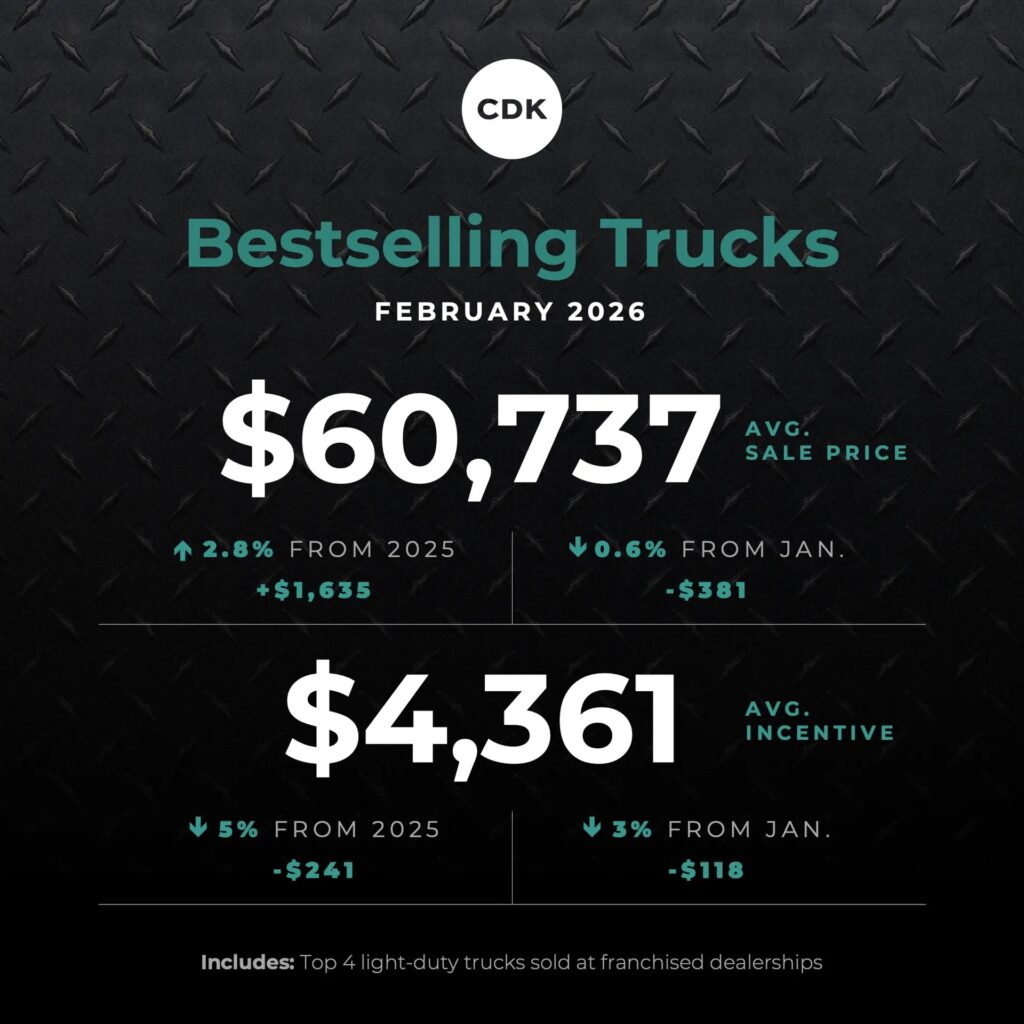
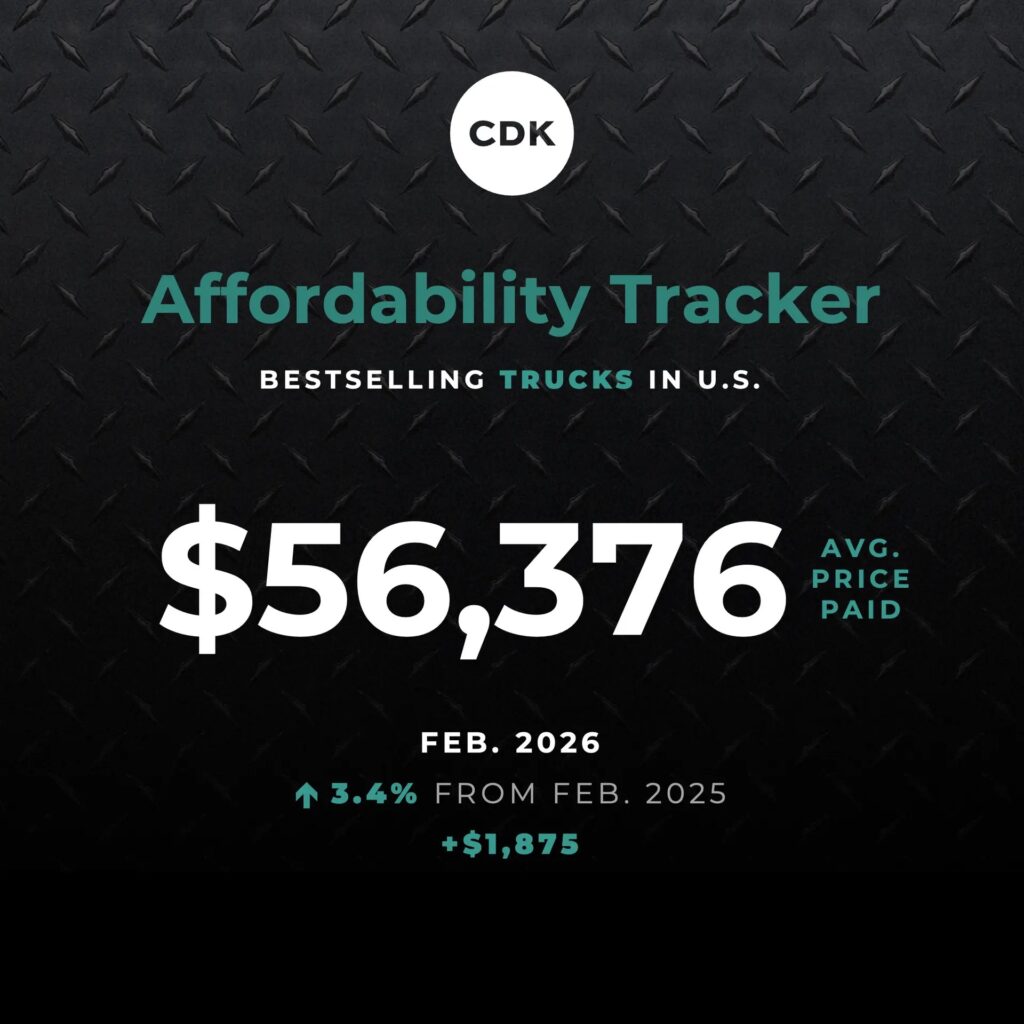
The picture looks somewhat different in the full-size pickup segment. Average transaction prices for the country’s most popular trucks fell by $262 compared to January, reaching $56,376 in February. Despite this, buyers are still paying more than a year ago. Prices remain approximately 3.4% higher than in February 2025, which is about $1,875 in additional cost.
Incentives for trucks are also moving in the opposite direction. Average incentive spending reached $4,361 in February, which is 3% less than in January and 5% lower than in the same month last year.
High Transaction Values and Competitive Segments
Compact SUVs and midsize sedans, two of the most competitive car segments, are showing the greatest increase in incentives. Manufacturers in these categories cannot afford to lose ground, so pricing support has become more noticeable.
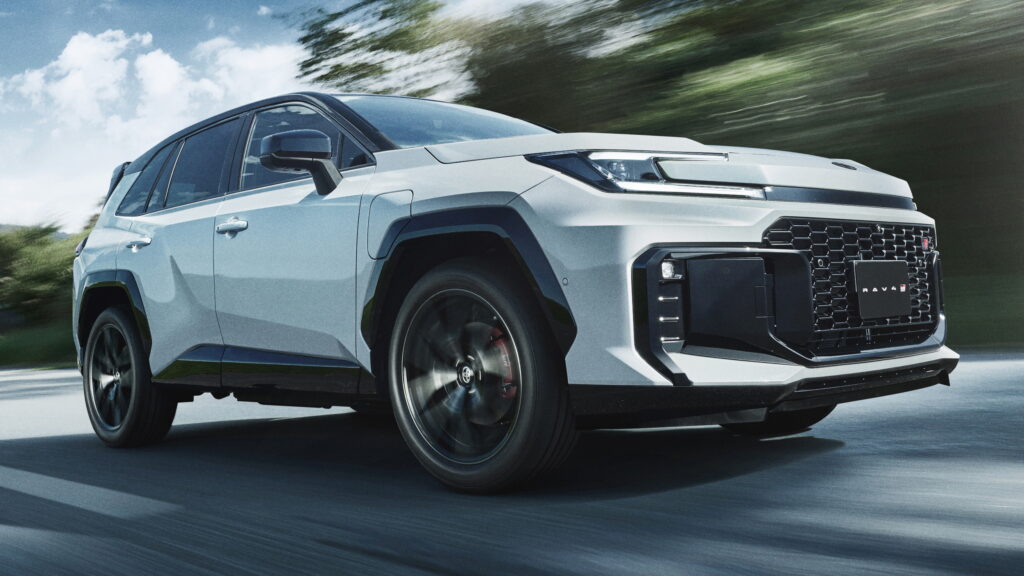

However, a notable exception is the refreshed 2026 Toyota RAV4. The average transaction price for this SUV rose to $40,096 in February, which is $3,353 more than in January. This jump significantly exceeds the increase in the base model’s MSRP of about $2,100, as the new generation fully transitions to a hybrid lineup.
Early shipments appear to be focused on higher-trim versions, which may be pulling the average price upward. Dealer listings in several US regions show that many top trims are already on lots or in transit, while lower-trim versions are still in the production phase.
Electric Vehicles and the Overall Picture
Electric vehicles are also part of this story. Several brands have attempted to adjust pricing strategies and add more offers, as demand growth has proven slower than previously expected.
Overall, the market demonstrates complex dynamics. On one hand, vehicle availability is increasing, and manufacturers are ramping up marketing support to attract buyers. On the other hand, overall transaction prices remain at a historically high level, reflecting both structural changes in the automotive industry and the influence of macroeconomic factors. It is particularly interesting to observe how the situation with new generations of key models like the RAV4 will develop, and whether the arrival of more base trims will lead to a decrease in the average price. The stabilization of production certainly returns some advantage to buyers, but the real availability of new cars, especially in premium segments, remains a key question for the future.